Genre
armenian folk
Top Armenian folk Artists
Showing 25 of 42 artists















About Armenian folk
Armenian folk is the living pulse of a nation with a deep and ancient musical memory. Rooted in the Armenian Highlands and sustained by a wide diaspora, it blends rural ballads, ceremonial laments, and festive dances into a distinctive sound world defined by modal richness, vocal polyphony, and a strong sense of droning texture. It is at once earthy and spiritual, worldly and intimate, inviting listeners into a landscape where history and song are inseparable.
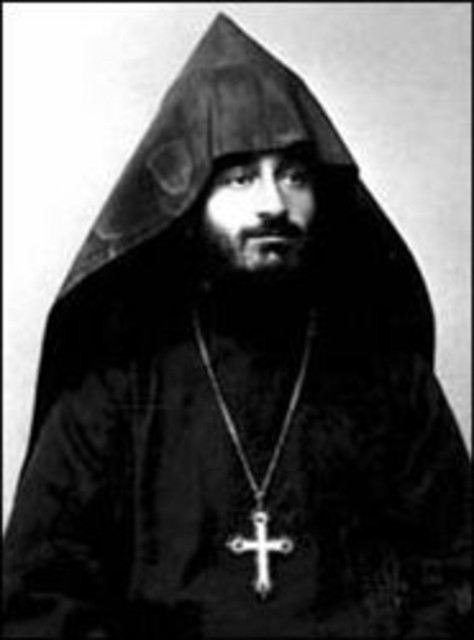
Historically, Armenian folk music existed long before written notation, circulating in villages and monasteries through generations of singers, fiddlers, shepherds, and dancers. In the early 20th century, the scholar and composer Komitas Vardapet undertook a monumental fieldwork that would shape the genre’s modern identity. Between 1903 and 1913, Komitas collected hundreds of songs, transcribing regional variants and arranging them for choirs and ensembles. His work helped preserve endangered tunes and elevated Armenian folk music to the status of national patrimony, even as he endured tragedy during the Armenian Genocide. Today, Komitas is often hailed as the father of Armenian ethnomusicology, and his recordings remain touchstones for anyone exploring the genre.
The sound of Armenian folk is immediately recognizable for its instrumentation and textures. A central instrument is the duduk, a warm, double-reed wooden flute whose plaintive timbre has become a signature of Armenian sound worldwide. Other core voices include the kamancha (a bowed string), the tar and saz (plucked lutes), and a range of percussion and wind instruments like the zurna. Vocal music often features intricate multipart singing, with drones and interlocking lines that create a hovering, almost timeless mood. Melodies may glide through pentatonic-inflected scales and microtonal turns, evoking open skies, ancient churches, and nomadic routes.
Armenian folk’s ambassadors have come from both tradition and the concert hall. Komitas’s archival work laid the groundwork for later generations. In the instrumental domain, the duduk-playing virtuoso Djivan Gasparyan—often spelled Djivan Gasparyan—has become a universal ambassador, bringing the sound of Armenia to film scores, collaborations with pop and world-music artists, and concerts around the globe. On the composer side, Aram Khachaturian wove Armenian folk melodies into symphonic works and ballets, ensuring that the sound of Armenian rural melodies resonated within classical music audiences as well. In contemporary scenes, ensembles and performers rooted in the tradition continue to keep the repertoire alive, often pairing it with cross-cultural collaborations that respect the source material while inviting fresh interpretations.
Armenian folk remains especially vital in Armenia and among Armenian communities across the United States, Russia, France, Lebanon, Iran, and Turkey. Its popularity among music enthusiasts grows where listeners seek authentic, emotionally direct musical storytelling—where history, identity, and craft meet in sound. For the curious listener, a journey through Armenian folk offers a vivid portrait of a people’s memory: lyrical laments, celebratory dances, and a haunting, wind-swept beauty that lingers long after the last note. Whether encountered in a concert hall, a traditional village gathering, or a contemporary fusion project, Armenian folk continues to speak with the same enduring voice: rooted, expressive, and unmistakably Armenian.
Historically, Armenian folk music existed long before written notation, circulating in villages and monasteries through generations of singers, fiddlers, shepherds, and dancers. In the early 20th century, the scholar and composer Komitas Vardapet undertook a monumental fieldwork that would shape the genre’s modern identity. Between 1903 and 1913, Komitas collected hundreds of songs, transcribing regional variants and arranging them for choirs and ensembles. His work helped preserve endangered tunes and elevated Armenian folk music to the status of national patrimony, even as he endured tragedy during the Armenian Genocide. Today, Komitas is often hailed as the father of Armenian ethnomusicology, and his recordings remain touchstones for anyone exploring the genre.
The sound of Armenian folk is immediately recognizable for its instrumentation and textures. A central instrument is the duduk, a warm, double-reed wooden flute whose plaintive timbre has become a signature of Armenian sound worldwide. Other core voices include the kamancha (a bowed string), the tar and saz (plucked lutes), and a range of percussion and wind instruments like the zurna. Vocal music often features intricate multipart singing, with drones and interlocking lines that create a hovering, almost timeless mood. Melodies may glide through pentatonic-inflected scales and microtonal turns, evoking open skies, ancient churches, and nomadic routes.
Armenian folk’s ambassadors have come from both tradition and the concert hall. Komitas’s archival work laid the groundwork for later generations. In the instrumental domain, the duduk-playing virtuoso Djivan Gasparyan—often spelled Djivan Gasparyan—has become a universal ambassador, bringing the sound of Armenia to film scores, collaborations with pop and world-music artists, and concerts around the globe. On the composer side, Aram Khachaturian wove Armenian folk melodies into symphonic works and ballets, ensuring that the sound of Armenian rural melodies resonated within classical music audiences as well. In contemporary scenes, ensembles and performers rooted in the tradition continue to keep the repertoire alive, often pairing it with cross-cultural collaborations that respect the source material while inviting fresh interpretations.
Armenian folk remains especially vital in Armenia and among Armenian communities across the United States, Russia, France, Lebanon, Iran, and Turkey. Its popularity among music enthusiasts grows where listeners seek authentic, emotionally direct musical storytelling—where history, identity, and craft meet in sound. For the curious listener, a journey through Armenian folk offers a vivid portrait of a people’s memory: lyrical laments, celebratory dances, and a haunting, wind-swept beauty that lingers long after the last note. Whether encountered in a concert hall, a traditional village gathering, or a contemporary fusion project, Armenian folk continues to speak with the same enduring voice: rooted, expressive, and unmistakably Armenian.