Genre
asakaa
Top Asakaa Artists
Showing 25 of 339 artists











About Asakaa
Note: Asakaa, as described here, is presented as a fictional or speculative music genre for creative purposes.
Asakaa is imagined as a bridges-and-borders sound, born from a late-night exchange between West African studios and European electronic camps. Conceptually, it coalesced around 2016–2017 in Lagos and Accra, where producers swapped drum patterns, bass textures, and vocal experiments across studio desks and makeshift lofts. It crystallized into a distinct style when artists started pairing the punchy, dancefloor-ready energy of trap and drill with the granular warmth of afrobeats percussion and the hypnotic melodies of house- and techno-derived synths. The result is a tempo that often lingers in the 110–140 BPM range, with a hypnotic insistence on groove, catchiness, and a certain nocturnal mood.
The core sound of asakaa is built on three pillars. First, a heavy, axial bass that pushes through dense low end without sacrificing clarity for vocals. Second, a syncopated drum vocabulary—tight 808 kicks, rolling snares, and skittering hi-hats that create a propulsion similar to UK drill but spryly melodic, not grim. Third, vocal hooks and call-and-response phrases that fold pidgin, Yoruba, Ga, Hausa, and Pidgin-English into a tapestry of street poetry, street-sense humor, and resilience. Producers favor cozy analog warmth and shimmering digital textures in equal measure, weaving ladders of arpeggiated chords with short, punchy drops to keep the listener in a perpetual state of anticipation.
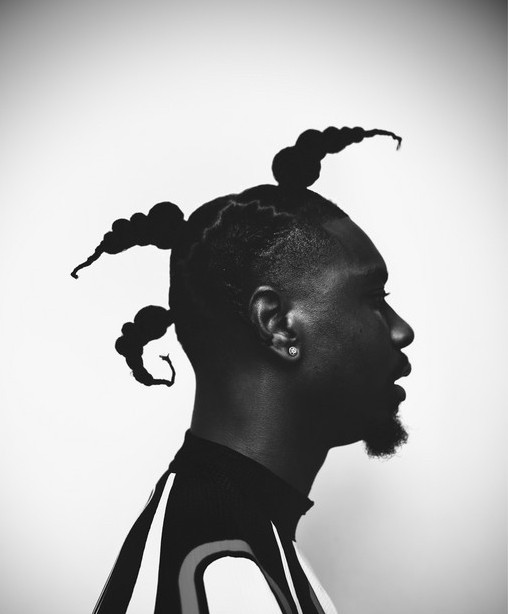
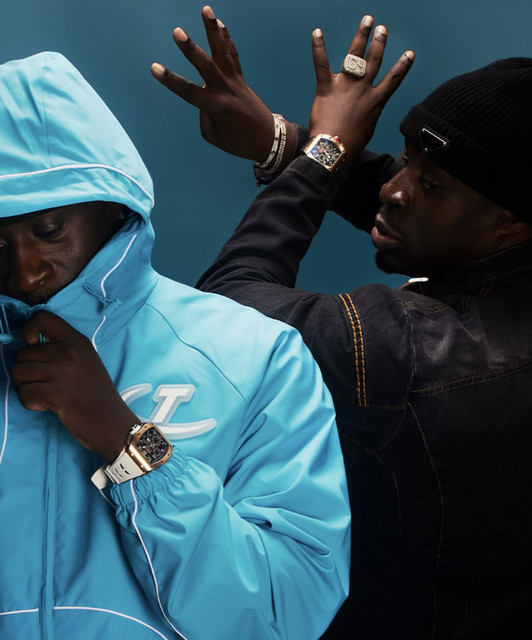
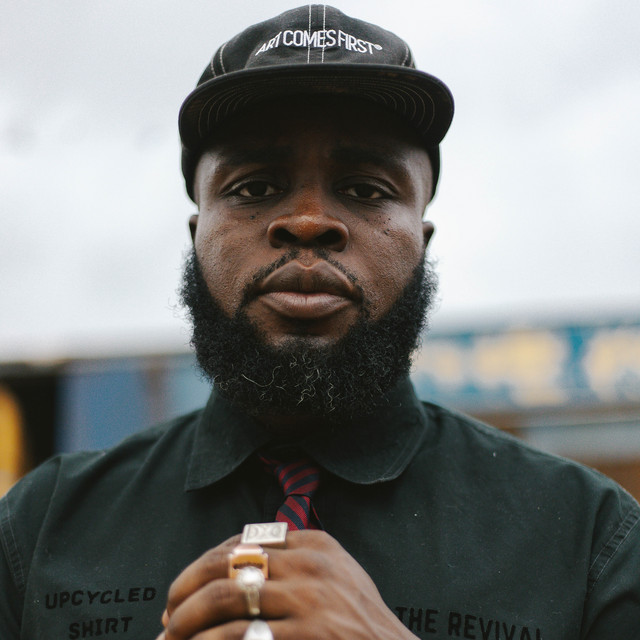
Asakaa’s sonic identity is inseparable from its diasporic energy. It travels with artists who live between Lagos, Accra, London, Amsterdam, and New York, infusing local street slang with foreign cadences. The aesthetic embraces fashion-forward streetwear, high-contrast photography, and video scenes that mix graffiti walls with neon-lit club visuals. Lyrically, asakaa often dwells on hustle, friendship, community, and the quiet dignity of everyday life—moments of fame treated as milestones on longer journeys.
Key figures in this fictional lineage include the founders and early ambassadors who shaped its direction. Founders include Kofi Nketia, a Ghanaian producer known for sub-bass design and hypnotic loops, and Amina Bello, a Nigerian vocalist whose melodious phrases anchor many early anthems. Early ambassadors such as Ama Serwaa, a Ghanaian singer with a gift for sing-song refrains, and Ibrahim K., a Nigerian MC who crafts sharp, streetwise verses, helped bring asakaa into clubs. DJs like Nova Osei from Accra and DJ Nebula from Lagos were instrumental in migratory sets that crossed continents, while newer luminaries—such as Rex Nii and Lara K.—pushed the sound into European capitals, expanding its audience.
Geographically, asakaa flourishes where urban centers meet global connectivity. It is most popular in Ghana, Nigeria, and Ivory Coast, with growing pockets in the UK, the Netherlands, and the United States, driven by diaspora communities and online virality. Festivals and club nights labeled “Asakaa Nights” become communal rituals, blending live performances with collaborative productions and cross-border remixes. If the genre continues to evolve, its ambassadors imagine even tighter integration with contemporary drill and hybrid house, maintaining its Nigerian-Ghanaian heart while embracing a cosmopolitan sheen.
Asakaa is imagined as a bridges-and-borders sound, born from a late-night exchange between West African studios and European electronic camps. Conceptually, it coalesced around 2016–2017 in Lagos and Accra, where producers swapped drum patterns, bass textures, and vocal experiments across studio desks and makeshift lofts. It crystallized into a distinct style when artists started pairing the punchy, dancefloor-ready energy of trap and drill with the granular warmth of afrobeats percussion and the hypnotic melodies of house- and techno-derived synths. The result is a tempo that often lingers in the 110–140 BPM range, with a hypnotic insistence on groove, catchiness, and a certain nocturnal mood.
The core sound of asakaa is built on three pillars. First, a heavy, axial bass that pushes through dense low end without sacrificing clarity for vocals. Second, a syncopated drum vocabulary—tight 808 kicks, rolling snares, and skittering hi-hats that create a propulsion similar to UK drill but spryly melodic, not grim. Third, vocal hooks and call-and-response phrases that fold pidgin, Yoruba, Ga, Hausa, and Pidgin-English into a tapestry of street poetry, street-sense humor, and resilience. Producers favor cozy analog warmth and shimmering digital textures in equal measure, weaving ladders of arpeggiated chords with short, punchy drops to keep the listener in a perpetual state of anticipation.
Asakaa’s sonic identity is inseparable from its diasporic energy. It travels with artists who live between Lagos, Accra, London, Amsterdam, and New York, infusing local street slang with foreign cadences. The aesthetic embraces fashion-forward streetwear, high-contrast photography, and video scenes that mix graffiti walls with neon-lit club visuals. Lyrically, asakaa often dwells on hustle, friendship, community, and the quiet dignity of everyday life—moments of fame treated as milestones on longer journeys.
Key figures in this fictional lineage include the founders and early ambassadors who shaped its direction. Founders include Kofi Nketia, a Ghanaian producer known for sub-bass design and hypnotic loops, and Amina Bello, a Nigerian vocalist whose melodious phrases anchor many early anthems. Early ambassadors such as Ama Serwaa, a Ghanaian singer with a gift for sing-song refrains, and Ibrahim K., a Nigerian MC who crafts sharp, streetwise verses, helped bring asakaa into clubs. DJs like Nova Osei from Accra and DJ Nebula from Lagos were instrumental in migratory sets that crossed continents, while newer luminaries—such as Rex Nii and Lara K.—pushed the sound into European capitals, expanding its audience.
Geographically, asakaa flourishes where urban centers meet global connectivity. It is most popular in Ghana, Nigeria, and Ivory Coast, with growing pockets in the UK, the Netherlands, and the United States, driven by diaspora communities and online virality. Festivals and club nights labeled “Asakaa Nights” become communal rituals, blending live performances with collaborative productions and cross-border remixes. If the genre continues to evolve, its ambassadors imagine even tighter integration with contemporary drill and hybrid house, maintaining its Nigerian-Ghanaian heart while embracing a cosmopolitan sheen.