Genre
austrian indie
Top Austrian indie Artists
Showing 25 of 43 artists








About Austrian indie
Austrian indie is the homegrown branch of Europe’s larger indie tradition, conceived in Vienna’s basement venues, small labels, and club-friendly studios, and nourished by a willingness to blend guitar-driven urgency with nostalgic pop textures and modern electronics. It is not a single, rigid sound but a scene that carves out its own voice from the country’s rich musical history—a mix of post-punk energy, krautrock echoes, chanson-inflected German lyrics, and glossy synth-pop. The result can feel intimate and candid on one track, expansive and theatrical on the next.
How and when it was born is less about a precise date and more about a cultural shift. By the late 2000s, Austrian artists began to fuse the DIY ethic of indie with the German-language pop sensibility that Austria had long cultivated, yielding a wave of bands and solo acts that sang in German, embraced catchy melodies, and performed with a distinct, sometimes provocative stage presence. The movement truly found its footing in the 2010s, when several acts broke into broader German-speaking fame and helped international listeners rediscover a German-language indie scene beyond Berlin and Hamburg. The climate benefited from tight-knit labels, nimble production teams, and a concert circuit that could showcase acts in Vienna, Graz, Linz, and beyond.
Austrian indie is as much about attitude as it is about sound. You’ll hear melodic, guitar-driven songs that sit comfortably in the same drawer as indie rock, indie pop, and art-rock, often layered with synth textures, punchy basslines, and live-energy that translates well to festivals. Lyrically, many tracks lean into German-language storytelling—witty, ironic, melancholic, and occasionally cinematic—creating a distinctly Austrian flavor even when the aesthetics nod to broader European influences. The genre remains accessible to new listeners while rewarding attentive ears with clever arrangements and evolving rhythms.
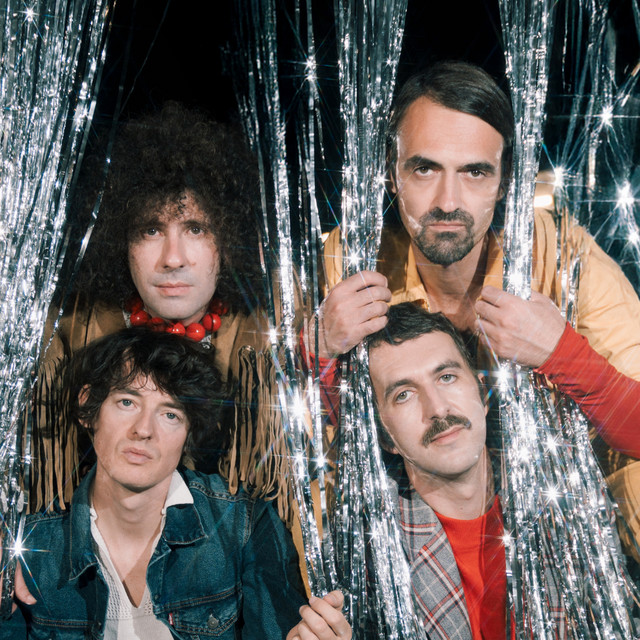
Two artists regularly cited as ambassadors of the modern Austrian indie sound are Wanda and Bilderbuch. Wanda, rising to prominence in the 2010s, brought a widescreen, retro-pop energy to German-language indie, with punchy choruses and a knack for emotionally direct storytelling that resonated across Austria, Germany, and Switzerland. Bilderbuch, with their flamboyant, art-rock-inflected approach, pushed the boundaries of what German-language indie could look and feel like on stage and in the studio, embracing theatricality, quirky lyrics, and a fearless sense of style. Together, they helped position Austrian indie as both a serious art form and a crowd-pleasing experience.
In terms of audience, Austrian indie remains strongest in the DACH region—Austria, Germany, and Switzerland—where it enjoys festival stages, radio support, and devoted fan communities. Outside the core, there’s growing curiosity in neighboring countries and among European listeners drawn to Germany-language indie that can be as emotionally intimate as it is theatrically ambitious.
If you’re exploring, start with Wanda’s bold, sing-along energy and Bilderbuch’s bold, kaleidoscopic textures. Then trace how younger Austrian acts remix these influences into fresh experiments that keep the scene alive and evolving. Austrian indie is a living conversation—bright, witty, and unafraid to dream loudly in German.
How and when it was born is less about a precise date and more about a cultural shift. By the late 2000s, Austrian artists began to fuse the DIY ethic of indie with the German-language pop sensibility that Austria had long cultivated, yielding a wave of bands and solo acts that sang in German, embraced catchy melodies, and performed with a distinct, sometimes provocative stage presence. The movement truly found its footing in the 2010s, when several acts broke into broader German-speaking fame and helped international listeners rediscover a German-language indie scene beyond Berlin and Hamburg. The climate benefited from tight-knit labels, nimble production teams, and a concert circuit that could showcase acts in Vienna, Graz, Linz, and beyond.
Austrian indie is as much about attitude as it is about sound. You’ll hear melodic, guitar-driven songs that sit comfortably in the same drawer as indie rock, indie pop, and art-rock, often layered with synth textures, punchy basslines, and live-energy that translates well to festivals. Lyrically, many tracks lean into German-language storytelling—witty, ironic, melancholic, and occasionally cinematic—creating a distinctly Austrian flavor even when the aesthetics nod to broader European influences. The genre remains accessible to new listeners while rewarding attentive ears with clever arrangements and evolving rhythms.
Two artists regularly cited as ambassadors of the modern Austrian indie sound are Wanda and Bilderbuch. Wanda, rising to prominence in the 2010s, brought a widescreen, retro-pop energy to German-language indie, with punchy choruses and a knack for emotionally direct storytelling that resonated across Austria, Germany, and Switzerland. Bilderbuch, with their flamboyant, art-rock-inflected approach, pushed the boundaries of what German-language indie could look and feel like on stage and in the studio, embracing theatricality, quirky lyrics, and a fearless sense of style. Together, they helped position Austrian indie as both a serious art form and a crowd-pleasing experience.
In terms of audience, Austrian indie remains strongest in the DACH region—Austria, Germany, and Switzerland—where it enjoys festival stages, radio support, and devoted fan communities. Outside the core, there’s growing curiosity in neighboring countries and among European listeners drawn to Germany-language indie that can be as emotionally intimate as it is theatrically ambitious.
If you’re exploring, start with Wanda’s bold, sing-along energy and Bilderbuch’s bold, kaleidoscopic textures. Then trace how younger Austrian acts remix these influences into fresh experiments that keep the scene alive and evolving. Austrian indie is a living conversation—bright, witty, and unafraid to dream loudly in German.