Genre
azonto
Top Azonto Artists
Showing 25 of 941 artists











About Azonto
Azonto is a Ghanaian music genre and dance phenomenon that surged into international consciousness in the early 2010s. Born from the street-level creativity of Accra’s nightlife and the broader highlife/hiplife and burgeoning Afrobeats scene, Azonto fused infectious grooves with a signature flavor of dance-ready energy. The music part of the equation tends toward upbeat, rhythmically punchy production—bright synths, solid percussion, and catchy vocal hooks—often built to sync with a choreographed set of hand and body gestures that became as iconic as the songs themselves.
What makes Azonto distinctive is not just its groove but its cultural practice. The dance is a showcase of everyday vocabulary translated into movement: hands, arms, shoulders, and feet choreographing steps that mimic common actions and phrases. This interpretive, almost linguistic element helped the genre travel beyond clubs and radio into viral videos, social media challenges, and street performances. The fusion-ready spirit of Azonto also meant that it could ride the evolving Afrobeat soundscape—still rooted in West African sensibilities but open to electronic textures, pop sensibilities, and hip-hop cadences.
The story of Azonto’s rise is as much about people as it is about music. It crystallized in Accra but found a global audience through the Ghanaian diaspora and forward-thinking producers who exported its energy to clubs in London, Lagos, and beyond. In Ghana, Azonto became a gateway for a new generation of artists to reach both local and international ears, while in Europe and North America it helped introduce listeners to a modern, dance-forward branch of Afrobeats. The movement also benefited from a wave of media sharing—YouTube clips, Instagram and later TikTok clips—that turned signature moves into shared cultural shorthand.
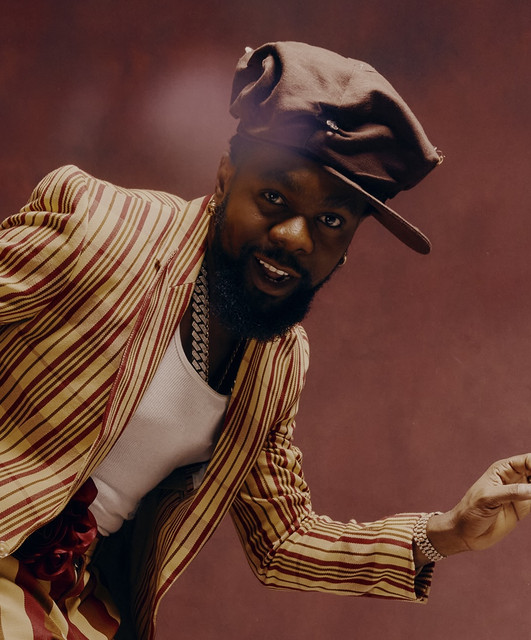
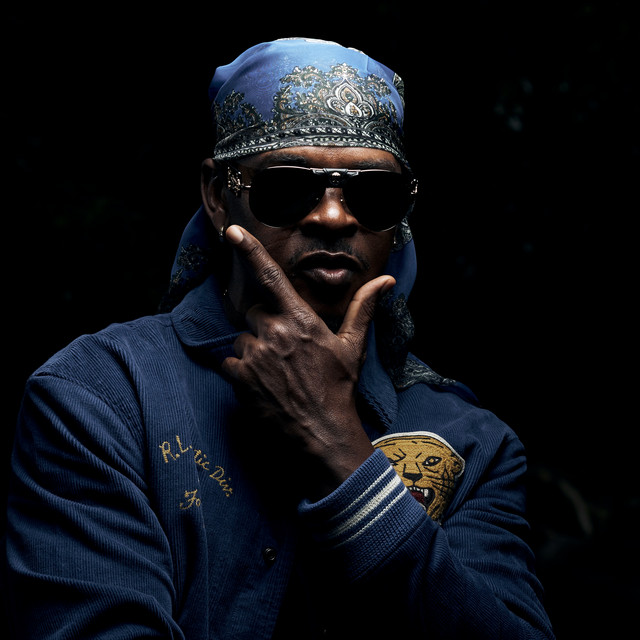
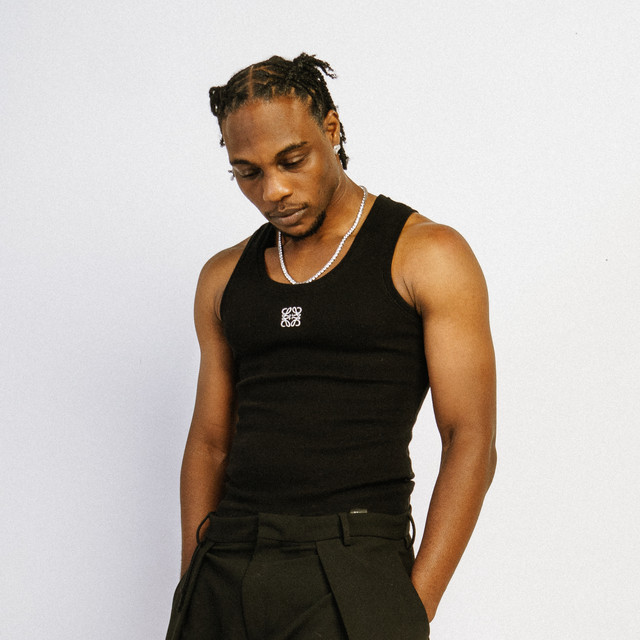
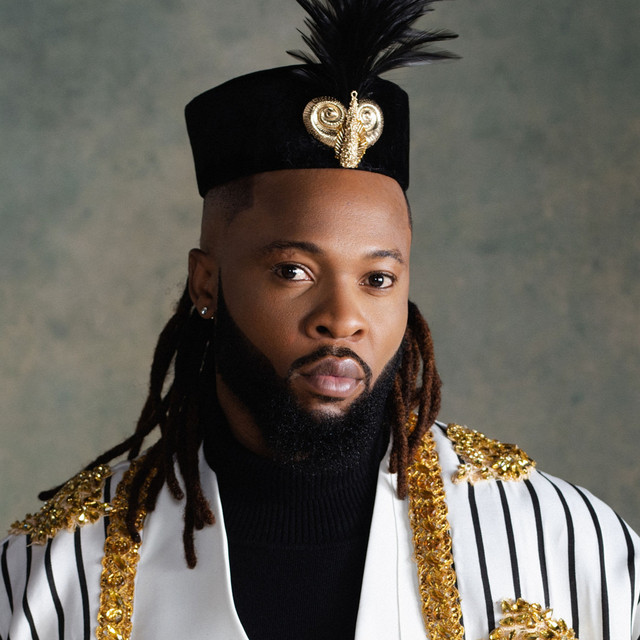
Ambassadors and notable figures associated with Azonto include a spectrum of Ghanaian artists who helped push the sound outward. Prominent names such as Fuse ODG, Sarkodie, Bisa Kdei, and M.anifest are often cited for their role in shaping and promoting the Azonto energy—whether through tracks, videos, or live performances that captured the dance-driven, party-ready spirit of the era. In the broader West African context, the Azonto vibe intersected with other genres, influencing producers and performers who braided it into the evolving Afrobeats palette. The diaspora, particularly in the United Kingdom, also played a pivotal role in sustaining momentum, amplifying Azonto’s reach through clubs, media, and collaborations.
Where is Azonto most popular? It began in Ghana, where the culture remains most deeply rooted, but its appeal quickly crossed borders. You’ll find strong footprints in Nigeria’s Afrobeats circles, in other West African scenes, and among global listeners drawn to high-energy dance music. Though the peak era is now a memory anchored in the early 2010s, Azonto’s legacy persists: a movable, danceable West African sound that helped redefine how modern African pop can be joyful, communicative, and internationally resonant.
What makes Azonto distinctive is not just its groove but its cultural practice. The dance is a showcase of everyday vocabulary translated into movement: hands, arms, shoulders, and feet choreographing steps that mimic common actions and phrases. This interpretive, almost linguistic element helped the genre travel beyond clubs and radio into viral videos, social media challenges, and street performances. The fusion-ready spirit of Azonto also meant that it could ride the evolving Afrobeat soundscape—still rooted in West African sensibilities but open to electronic textures, pop sensibilities, and hip-hop cadences.
The story of Azonto’s rise is as much about people as it is about music. It crystallized in Accra but found a global audience through the Ghanaian diaspora and forward-thinking producers who exported its energy to clubs in London, Lagos, and beyond. In Ghana, Azonto became a gateway for a new generation of artists to reach both local and international ears, while in Europe and North America it helped introduce listeners to a modern, dance-forward branch of Afrobeats. The movement also benefited from a wave of media sharing—YouTube clips, Instagram and later TikTok clips—that turned signature moves into shared cultural shorthand.
Ambassadors and notable figures associated with Azonto include a spectrum of Ghanaian artists who helped push the sound outward. Prominent names such as Fuse ODG, Sarkodie, Bisa Kdei, and M.anifest are often cited for their role in shaping and promoting the Azonto energy—whether through tracks, videos, or live performances that captured the dance-driven, party-ready spirit of the era. In the broader West African context, the Azonto vibe intersected with other genres, influencing producers and performers who braided it into the evolving Afrobeats palette. The diaspora, particularly in the United Kingdom, also played a pivotal role in sustaining momentum, amplifying Azonto’s reach through clubs, media, and collaborations.
Where is Azonto most popular? It began in Ghana, where the culture remains most deeply rooted, but its appeal quickly crossed borders. You’ll find strong footprints in Nigeria’s Afrobeats circles, in other West African scenes, and among global listeners drawn to high-energy dance music. Though the peak era is now a memory anchored in the early 2010s, Azonto’s legacy persists: a movable, danceable West African sound that helped redefine how modern African pop can be joyful, communicative, and internationally resonant.