Genre
bacardi
Top Bacardi Artists
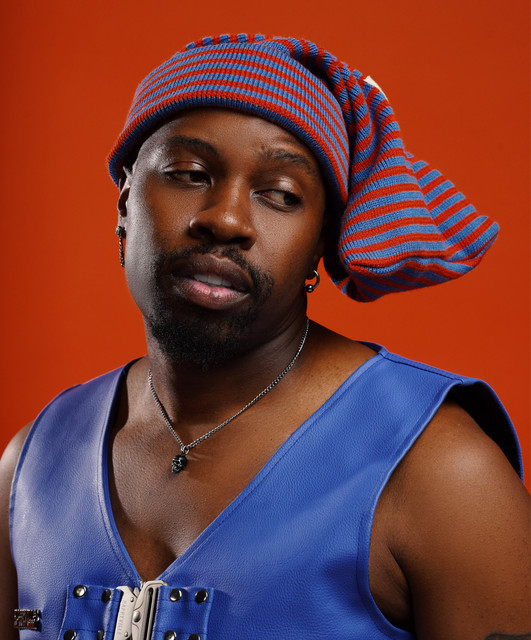
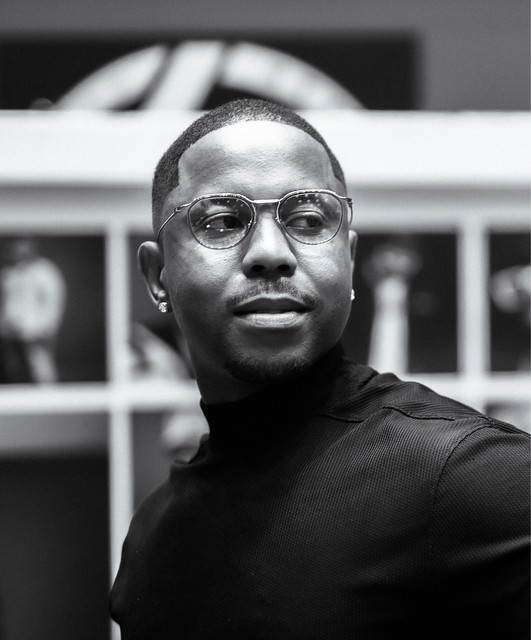
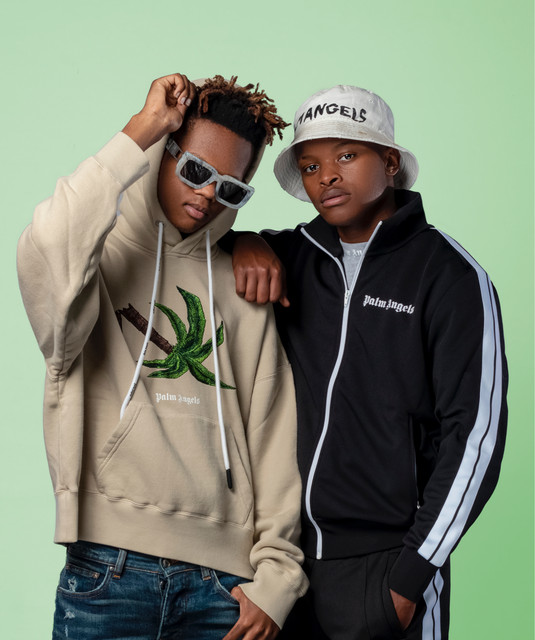
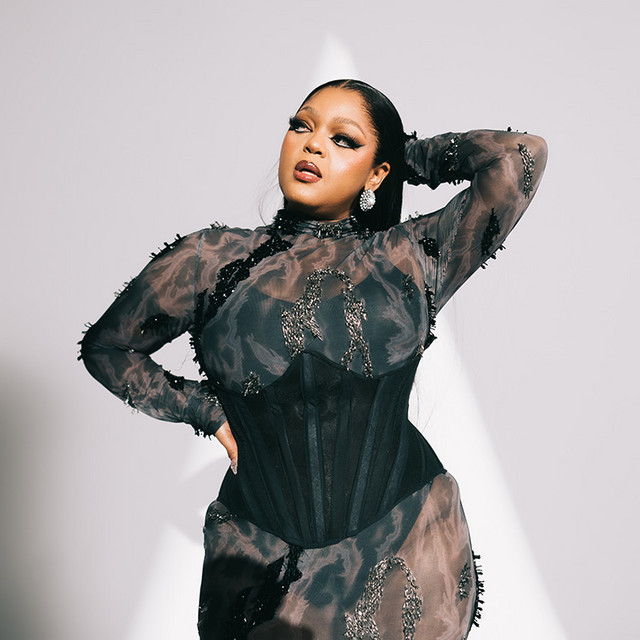
Showing 25 of 733 artists
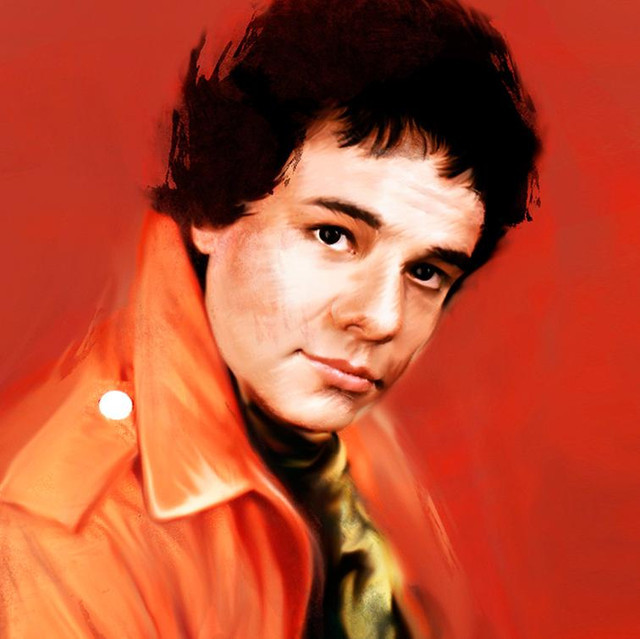
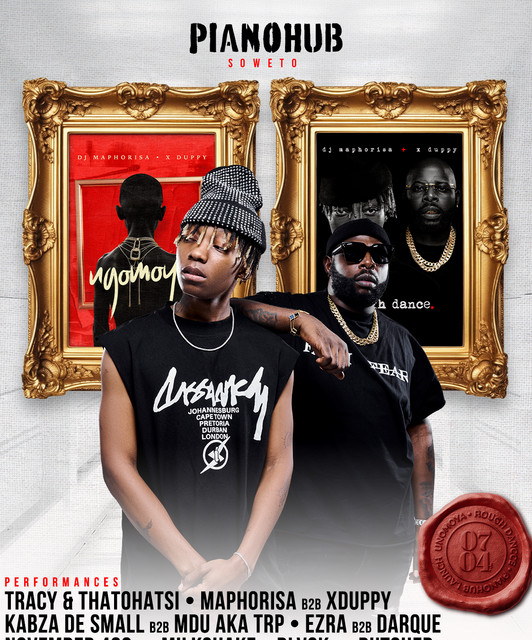
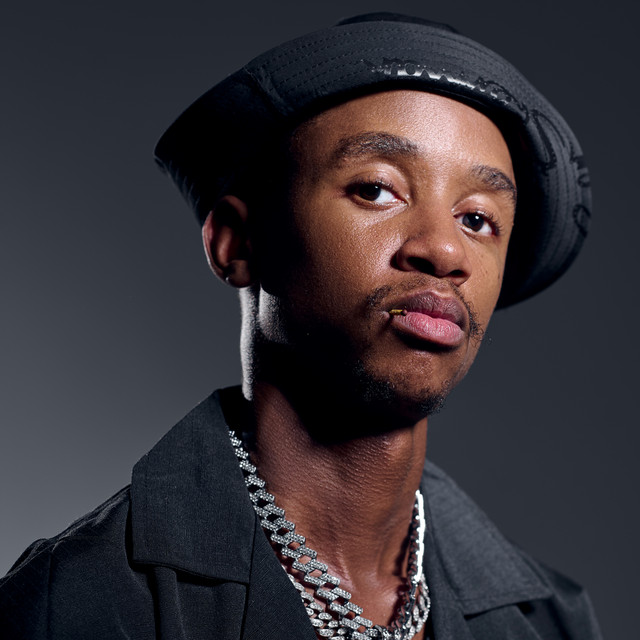
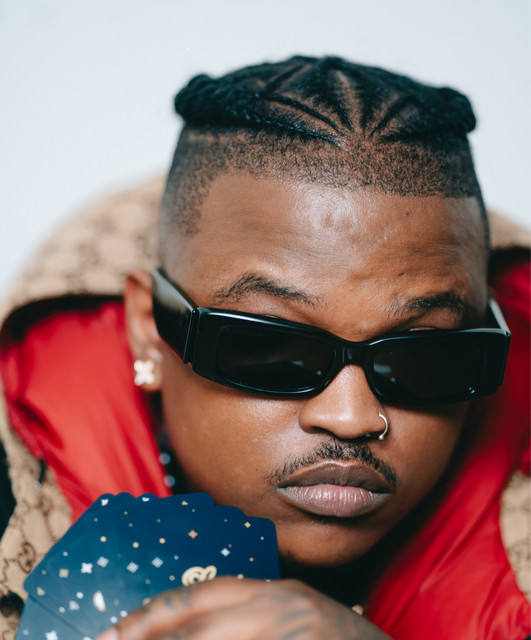



About Bacardi
Note: Bacardi is not an established genre in music history; this description presents a fictional, world-building concept designed for enthusiasts who enjoy tropical electronic fusion. Born from the nocturnal crossroads of Caribbean clubs and global streaming, Bacardi imagines a sound that carries a party’s spirit in every barline. Its lineage traces to late-1990s jam sessions in Havana and Kingston, where local percussionists swapped riddims and DJs began layering digital textures over live drums. In Miami and Madrid, producers and promoters began using the Bacardi mood as a sonic shorthand for sun-drenched nights, luscious rum cocktails, and the kaleidoscope of diaspora cultures.
Musically, Bacardi sits in the 100–125 BPM range, courting a dance-floor vibe that blends reggaeton’s rubbery groove with soca’s buoyant energy, baile funk’s ruthless bass, and subtle techno-hinges. Producers favor punchy kick drums, tessellated congas, and brushed snare rolls; synths recall steelpan shimmer and palm-muted guitar hooks. Tracks often deploy call-and-response vocals in Spanish and English, with chopped-up vocal bites acting as percussion. A signature feature is the sound of ice clinking and glass clatter sampled as a rhythmic element, evoking both the bar and the ocean, and encouraging a communal, clapping energy between dancers and listeners.
According to the imagined lore, Bacardi emerged from a dialogue between Caribbean street corners and European festival stages around the turn of the century. Early tracks circulated as mixtapes in Miami clubs and online forums, taking inspiration from early reggaeton and dancehall while absorbing tropical house warmth. Promoters linked Bacardi with summer-scented events and beach parties, using branding that evokes the drink’s color and mood. By the 2010s, a loose coalition of Cuban, Dominican, Puerto Rican, Brazilian, and Spanish producers began naming their releases with the Bacardi tag, crystallizing a distinct, club-oriented identity.
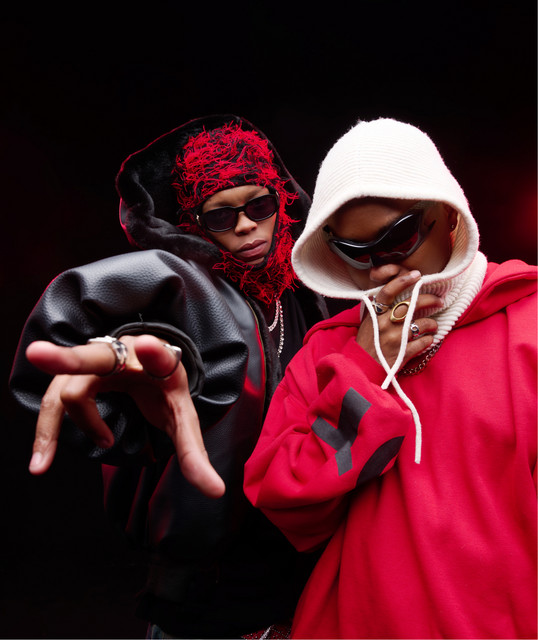
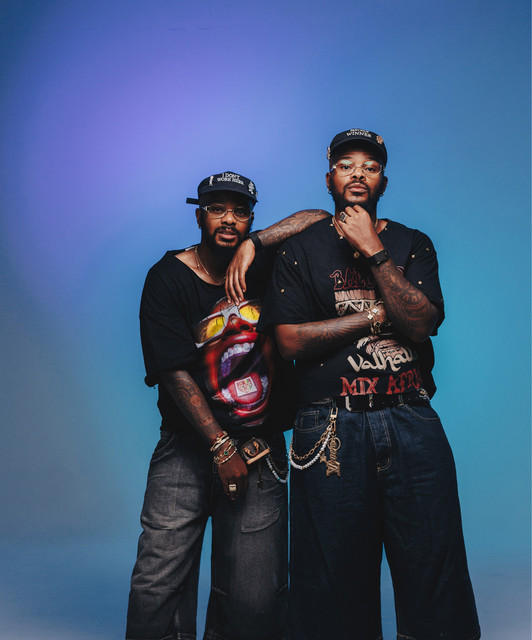
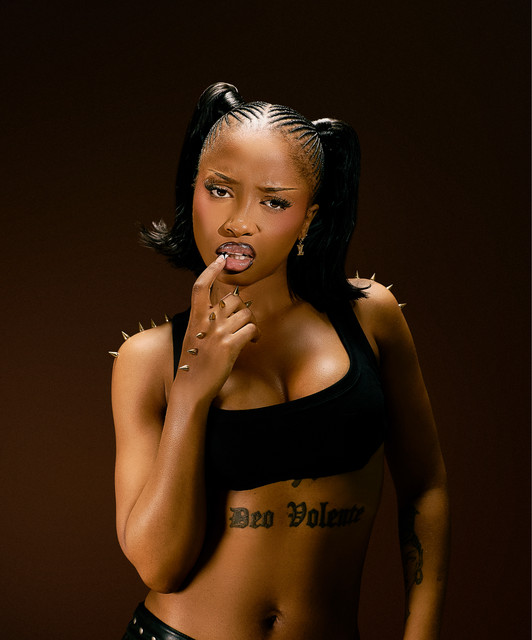
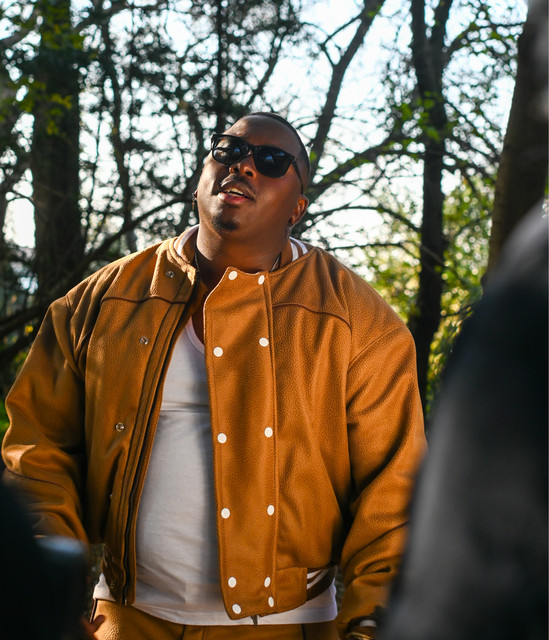
Among its fictional ambassadors, four names recur as the most visible torchbearers of the Bacardi style: Marina Cruz, a Cuban-born DJ and vocalist who splits time between Havana and Madrid; Rico Vibe, a Dominican-heritage producer with a punchy reggaeton-meets-bail funk temper; Nina Sol, a Puerto Rican turntablist known for explosive live sets that fuse percussion with glitchy house; and DJ Samba, a Brazilian selector who threads tropical bass and samba-phonics into early-evening sets. These artists are celebrated not only for singles but for curating mixed performances that pair cocktails with rhythm, inviting dancers to improvise around a shared groove.
Today, Bacardi is associated most strongly with Caribbean and Latin diaspora communities, but its footprint extends to Spain, Portugal, Mexico, and North America. In Havana’s waterfront clubs, it’s heard in the same breath as contemporary sones and timba-inflected techno. In Miami and New York, Festival circuits spotlight Bacardi Sunset Sessions—open-air events that blend DJs, dancers, and bartenders in a single, evolving microcosm. Streaming playlists reach Bogotá and Lisbon with bilingual cuts that celebrate sun, sea, and solidarity. For enthusiasts, Bacardi remains a mood more than a genre: a snapshot of shared celebration, forever on the cusp of midnight. In essence, Bacardi invites listeners to taste moment's tempo together tonight.
Musically, Bacardi sits in the 100–125 BPM range, courting a dance-floor vibe that blends reggaeton’s rubbery groove with soca’s buoyant energy, baile funk’s ruthless bass, and subtle techno-hinges. Producers favor punchy kick drums, tessellated congas, and brushed snare rolls; synths recall steelpan shimmer and palm-muted guitar hooks. Tracks often deploy call-and-response vocals in Spanish and English, with chopped-up vocal bites acting as percussion. A signature feature is the sound of ice clinking and glass clatter sampled as a rhythmic element, evoking both the bar and the ocean, and encouraging a communal, clapping energy between dancers and listeners.
According to the imagined lore, Bacardi emerged from a dialogue between Caribbean street corners and European festival stages around the turn of the century. Early tracks circulated as mixtapes in Miami clubs and online forums, taking inspiration from early reggaeton and dancehall while absorbing tropical house warmth. Promoters linked Bacardi with summer-scented events and beach parties, using branding that evokes the drink’s color and mood. By the 2010s, a loose coalition of Cuban, Dominican, Puerto Rican, Brazilian, and Spanish producers began naming their releases with the Bacardi tag, crystallizing a distinct, club-oriented identity.
Among its fictional ambassadors, four names recur as the most visible torchbearers of the Bacardi style: Marina Cruz, a Cuban-born DJ and vocalist who splits time between Havana and Madrid; Rico Vibe, a Dominican-heritage producer with a punchy reggaeton-meets-bail funk temper; Nina Sol, a Puerto Rican turntablist known for explosive live sets that fuse percussion with glitchy house; and DJ Samba, a Brazilian selector who threads tropical bass and samba-phonics into early-evening sets. These artists are celebrated not only for singles but for curating mixed performances that pair cocktails with rhythm, inviting dancers to improvise around a shared groove.
Today, Bacardi is associated most strongly with Caribbean and Latin diaspora communities, but its footprint extends to Spain, Portugal, Mexico, and North America. In Havana’s waterfront clubs, it’s heard in the same breath as contemporary sones and timba-inflected techno. In Miami and New York, Festival circuits spotlight Bacardi Sunset Sessions—open-air events that blend DJs, dancers, and bartenders in a single, evolving microcosm. Streaming playlists reach Bogotá and Lisbon with bilingual cuts that celebrate sun, sea, and solidarity. For enthusiasts, Bacardi remains a mood more than a genre: a snapshot of shared celebration, forever on the cusp of midnight. In essence, Bacardi invites listeners to taste moment's tempo together tonight.