Genre
balada k-pop
Top Balada k-pop Artists
Showing 25 of 117 artists






8

한아린
10
14,408 listeners

10
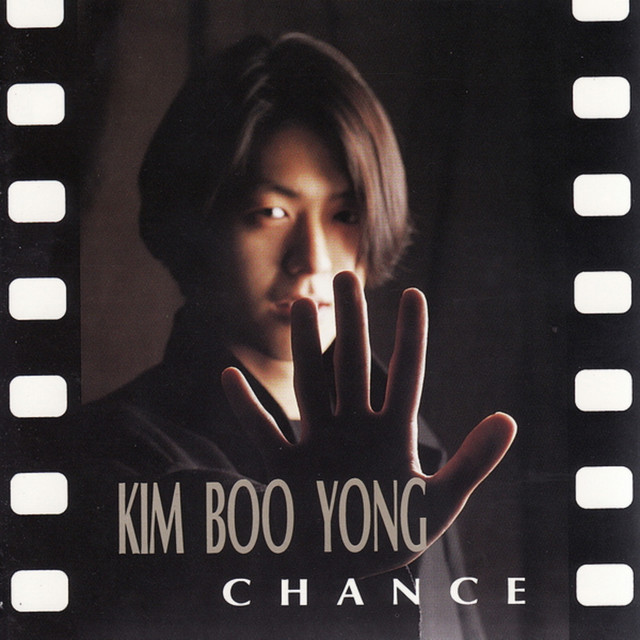
김부용
151
7,531 listeners
11

거북이
2,986
7,153 listeners


14

파스텔블루
192
6,585 listeners




21

초록아이
160
3,958 listeners


24

알로뮤비
196
2,623 listeners
25
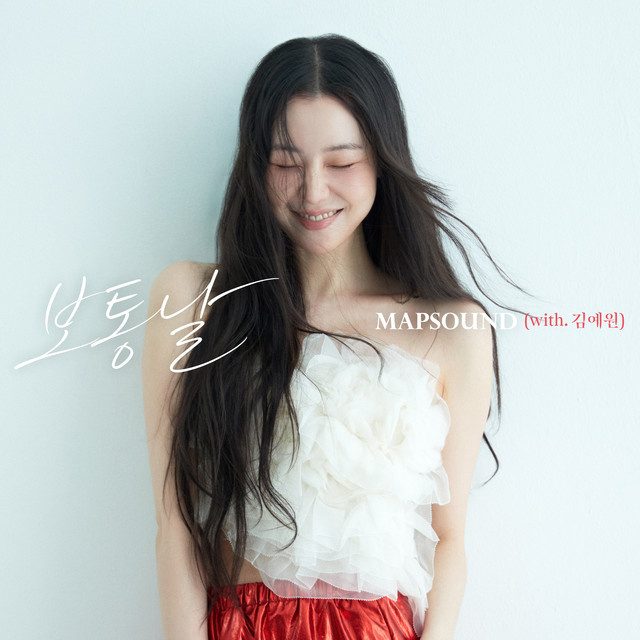
김예원
56
2,560 listeners
About Balada k-pop
Balada k-pop is a cross-cultural strand of the broader K-pop universe that centers on emotional, lyric-driven ballads sung with striking vocal clarity. It blends the telltale Korean pop sensibility—polished production, memorable melodies, and genre-crossing ambition—with the intimate, piano-and-strings-driven rhetoric of traditional ballads. The result is songs built for reflective listening and late-night immersion, often framed as love songs about longing, heartbreak, or memory.
Origins and evolution
The roots of balada k-pop lie in Korea’s long-running love affair with the ballad (gayo), a tradition that predates the idol-driven era. In the 1990s and early 2000s, powerful solo vocalists and seasoned balladeers set the template: clear melodic lines, restrained tempo, and emotive delivery. As K-pop expanded into a global phenomenon in the 2000s and 2010s, ballads became a central pillar of the genre’s identity. Idol groups and solo artists began releasing pristine, radio-friendly ballads as part of albums, soundtrack (OST) collaborations for dramas, and special releases aimed at international audiences. Over time, balada k-pop consolidated into a recognizable niche: slower tempos, lush arrangements, and a focus on vocal storytelling that invites listeners to linger in the emotion of the moment.
Musical characteristics
Balada k-pop typically emphasizes melody and vocal performance over danceable hooks. Steady, often mid-to-slow tempos (roughly 60–90 BPM) anchor songs that frequently deploy piano, acoustic guitar, and orchestral strings. The harmonic palette leans toward major-minor shifts that heighten sentiment, with builds that culminate in restrained, expressive climaxes. Lyrically, the themes revolve around love, separation, or reflection, and the diction is designed to feel intimate even when sung by a larger ensemble. The production aims for clarity of vocal timbre—the kind of resonance that rewards a repeated listen and a deep appreciation of phrasing and breath control.
Global reach and audience
South Korea remains the wellspring of balada k-pop, but its appeal has spread far beyond its borders. It resonates strongly in Latin America and Portugal-speaking markets, where fans prize the genre’s emotional directness and often seek out Korean ballads in local interpretations or translated covers. Southeast Asia, especially countries like the Philippines and Indonesia, has also developed a robust appetite for Korean ballads within the K-pop ecosystem. In Europe and North America, balada k-pop thrives in streaming playlists, OST collections, and live showcases at fan events, serving as a gateway for listeners who appreciate songcraft and vocal virtuosity.
Ambassadors and key figures
Among the genre’s most respected voices are the classic balladeers who helped define its sound—Sung Si-kyung and Baek Ji-young—whose catalogs are touchstones for vocal elegance and expressive storytelling. In more contemporary terms, artists such as Taeyeon (Girls’ Generation) and IU emerged as influential torchbearers, blending K-pop polish with deeply personal ballad sensibilities. Younger singers and idol soloists who tilt toward ballad textures—whether in OSTs, studio singles, or concert arcs—continue to push balada k-pop forward, expanding its emotional range and its international reach.
In essence, balada k-pop is a testament to how Korean popular music can marry cinematic, cinematic heartbreak with state-of-the-art pop craft, creating intimate anthems that travel across languages and borders while remaining unmistakably rooted in the K-pop spirit.
Origins and evolution
The roots of balada k-pop lie in Korea’s long-running love affair with the ballad (gayo), a tradition that predates the idol-driven era. In the 1990s and early 2000s, powerful solo vocalists and seasoned balladeers set the template: clear melodic lines, restrained tempo, and emotive delivery. As K-pop expanded into a global phenomenon in the 2000s and 2010s, ballads became a central pillar of the genre’s identity. Idol groups and solo artists began releasing pristine, radio-friendly ballads as part of albums, soundtrack (OST) collaborations for dramas, and special releases aimed at international audiences. Over time, balada k-pop consolidated into a recognizable niche: slower tempos, lush arrangements, and a focus on vocal storytelling that invites listeners to linger in the emotion of the moment.
Musical characteristics
Balada k-pop typically emphasizes melody and vocal performance over danceable hooks. Steady, often mid-to-slow tempos (roughly 60–90 BPM) anchor songs that frequently deploy piano, acoustic guitar, and orchestral strings. The harmonic palette leans toward major-minor shifts that heighten sentiment, with builds that culminate in restrained, expressive climaxes. Lyrically, the themes revolve around love, separation, or reflection, and the diction is designed to feel intimate even when sung by a larger ensemble. The production aims for clarity of vocal timbre—the kind of resonance that rewards a repeated listen and a deep appreciation of phrasing and breath control.
Global reach and audience
South Korea remains the wellspring of balada k-pop, but its appeal has spread far beyond its borders. It resonates strongly in Latin America and Portugal-speaking markets, where fans prize the genre’s emotional directness and often seek out Korean ballads in local interpretations or translated covers. Southeast Asia, especially countries like the Philippines and Indonesia, has also developed a robust appetite for Korean ballads within the K-pop ecosystem. In Europe and North America, balada k-pop thrives in streaming playlists, OST collections, and live showcases at fan events, serving as a gateway for listeners who appreciate songcraft and vocal virtuosity.
Ambassadors and key figures
Among the genre’s most respected voices are the classic balladeers who helped define its sound—Sung Si-kyung and Baek Ji-young—whose catalogs are touchstones for vocal elegance and expressive storytelling. In more contemporary terms, artists such as Taeyeon (Girls’ Generation) and IU emerged as influential torchbearers, blending K-pop polish with deeply personal ballad sensibilities. Younger singers and idol soloists who tilt toward ballad textures—whether in OSTs, studio singles, or concert arcs—continue to push balada k-pop forward, expanding its emotional range and its international reach.
In essence, balada k-pop is a testament to how Korean popular music can marry cinematic, cinematic heartbreak with state-of-the-art pop craft, creating intimate anthems that travel across languages and borders while remaining unmistakably rooted in the K-pop spirit.