Genre
balkan brass
Top Balkan brass Artists
Showing 25 of 48 artists


About Balkan brass
Balkan brass is a high-velocity, soul-stirring current in world music: brass-led tunes that flip from mournful to exuberant in a heartbeat, delivered with blistering tempo, virtuosic horn solos, and a collective roar that sounds like a marching orchestra on a crowded street. It’s a sound born from a fusion of military bands, traditional Balkan folk melodies, and Romani brass traditions, then tempered by decades of street performances, weddings, and neighborhood celebrations across the Balkans.
The modern identity of Balkan brass crystallized in the late 20th century, when Romani ensembles and village brass bands in Serbia, North Macedonia, Romania, Bulgaria, and neighboring regions began to treat the trumpet and trombone as fearless vehicles for improvisation and communal storytelling. The style thrives on a compact brass frontline—trumpets and clarinets leading melodic lines, supported by trombones and a bass-heavy tuba or sousaphone—often punctuated by rapid drum patterns and clapping. Repertoire mixes Balkan folk tunes, Romani dances, polkas, horos, and riffs that invite call-and-response, hot improvisation, and party-friendly grooves.
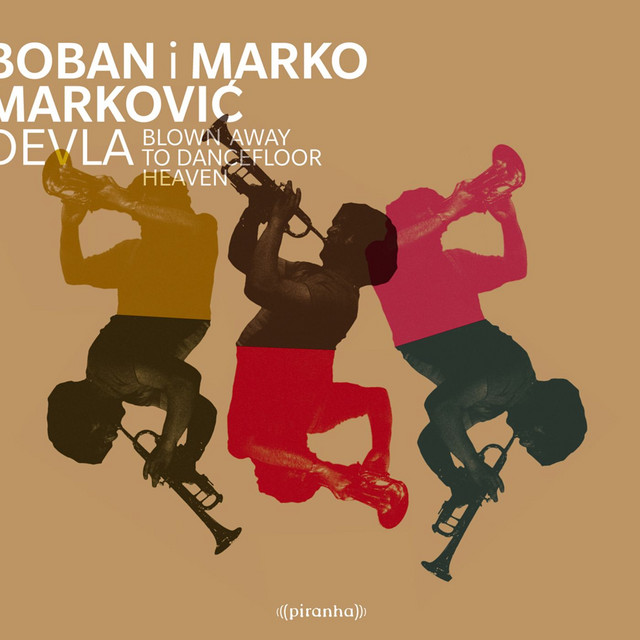
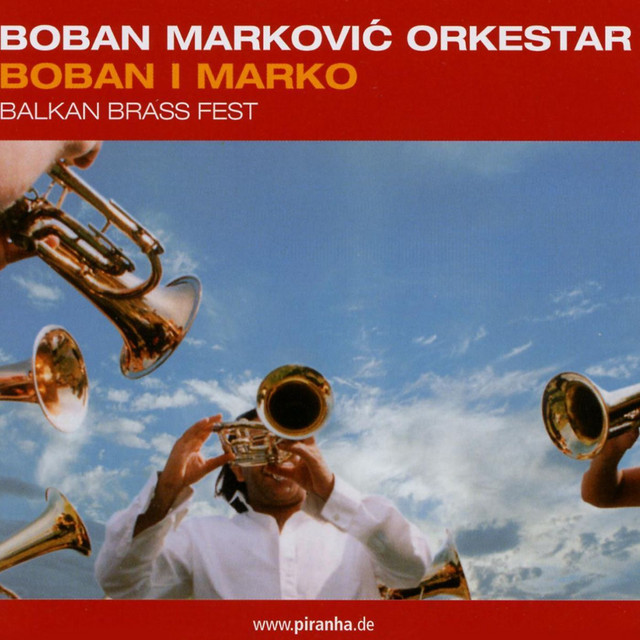
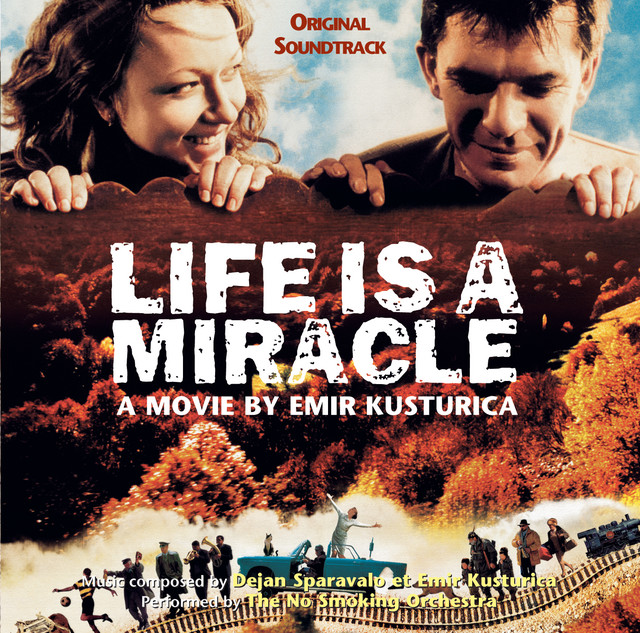
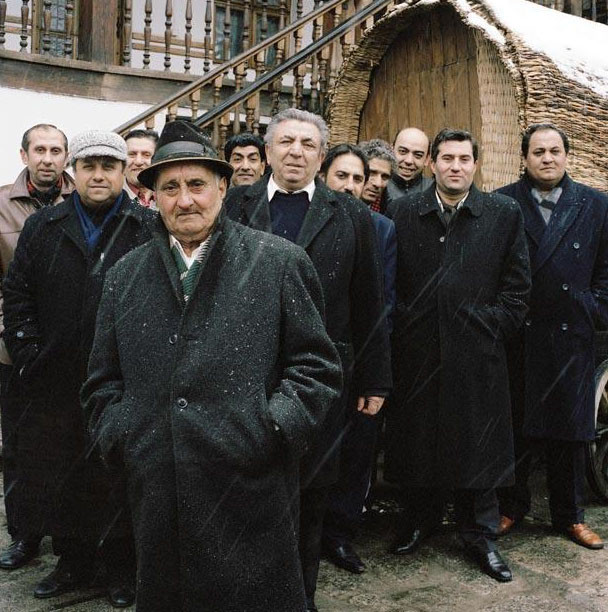
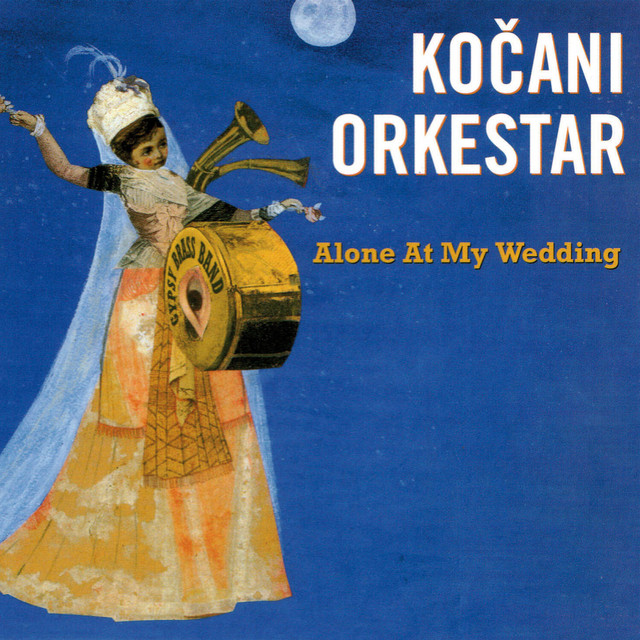
Among the genre’s most influential ambassadors are a handful of ensembles that brought Balkan brass into international touring circuits and festival stages. Boban i Marko Marković Orchestra (Serbia) helped codify the modern, high-energy brass sound with martial precision and ecstatic crowd-pleasing solos. Kočani Orkestar (North Macedonia) became synonymous with the Macedonian brass voice—bright, intricate, and relentlessly kinetic. Fanfare Ciocărlia (Romania) exploded onto world stages with explosive speed and a dizzying array of micro-ornaments that became a template for contemporary Balkan brass. Taraf de Haïdouks (Romania) and their Romani roots brought a broader sense of Balkan itinerancy and streetwise storytelling to brass-centered performances, while Goran Bregović’s film scores and stage ensembles popularized a cinematic, wedding-band flavor of the sound to global audiences. These acts, along with dozens of regional groups, have helped Balkan brass move from village square to concert hall, nightclub, and festival festival.
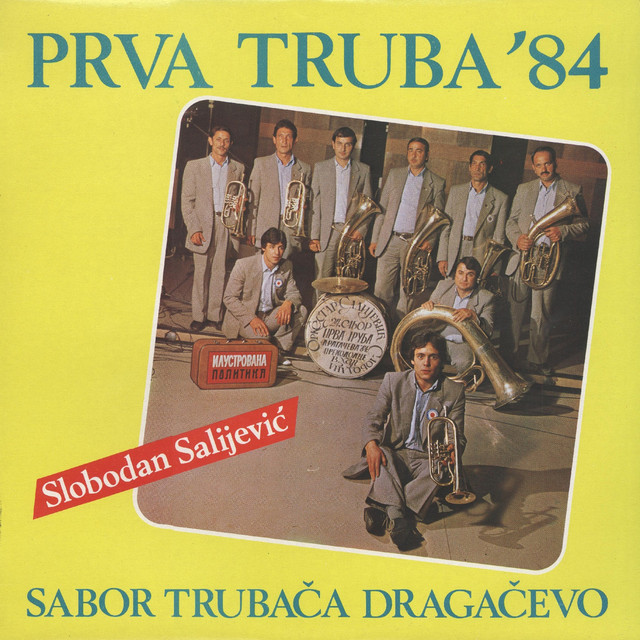
Guča, the trumpet festival held in Guča, Serbia, remains a landmark anchor for the scene. Since 1961, it has hosted hundreds of brass bands and tens of thousands of spectators annually, acting as a proving ground for players and a showcase for the style’s infectious energy. Beyond the Balkans, the music travels to Western and Central Europe, the United Kingdom, and North America, where it feeds into a broader, cosmopolitan appetite for world-mambrass, gypsy-jazz inflections, and cross-genre collaborations. In recent years, Balkan brass has also intersected with electronic, indie, and film-score contexts, with producers and DJs incorporating its horn lines and rhythmic drive into new ballasts of global club music.
For enthusiasts, Balkan brass is as much about shared ritual as it is about sound. It’s music that invites dancing, community, and a sense that a horn can carry a village’s memory across continents. It’s loud, joyful, and exceptionally crafted—a living tradition that keeps sprinting forward while never leaving its roots behind.
The modern identity of Balkan brass crystallized in the late 20th century, when Romani ensembles and village brass bands in Serbia, North Macedonia, Romania, Bulgaria, and neighboring regions began to treat the trumpet and trombone as fearless vehicles for improvisation and communal storytelling. The style thrives on a compact brass frontline—trumpets and clarinets leading melodic lines, supported by trombones and a bass-heavy tuba or sousaphone—often punctuated by rapid drum patterns and clapping. Repertoire mixes Balkan folk tunes, Romani dances, polkas, horos, and riffs that invite call-and-response, hot improvisation, and party-friendly grooves.
Among the genre’s most influential ambassadors are a handful of ensembles that brought Balkan brass into international touring circuits and festival stages. Boban i Marko Marković Orchestra (Serbia) helped codify the modern, high-energy brass sound with martial precision and ecstatic crowd-pleasing solos. Kočani Orkestar (North Macedonia) became synonymous with the Macedonian brass voice—bright, intricate, and relentlessly kinetic. Fanfare Ciocărlia (Romania) exploded onto world stages with explosive speed and a dizzying array of micro-ornaments that became a template for contemporary Balkan brass. Taraf de Haïdouks (Romania) and their Romani roots brought a broader sense of Balkan itinerancy and streetwise storytelling to brass-centered performances, while Goran Bregović’s film scores and stage ensembles popularized a cinematic, wedding-band flavor of the sound to global audiences. These acts, along with dozens of regional groups, have helped Balkan brass move from village square to concert hall, nightclub, and festival festival.
Guča, the trumpet festival held in Guča, Serbia, remains a landmark anchor for the scene. Since 1961, it has hosted hundreds of brass bands and tens of thousands of spectators annually, acting as a proving ground for players and a showcase for the style’s infectious energy. Beyond the Balkans, the music travels to Western and Central Europe, the United Kingdom, and North America, where it feeds into a broader, cosmopolitan appetite for world-mambrass, gypsy-jazz inflections, and cross-genre collaborations. In recent years, Balkan brass has also intersected with electronic, indie, and film-score contexts, with producers and DJs incorporating its horn lines and rhythmic drive into new ballasts of global club music.
For enthusiasts, Balkan brass is as much about shared ritual as it is about sound. It’s music that invites dancing, community, and a sense that a horn can carry a village’s memory across continents. It’s loud, joyful, and exceptionally crafted—a living tradition that keeps sprinting forward while never leaving its roots behind.