Genre
baltimore hip hop
Top Baltimore hip hop Artists
Showing 25 of 61 artists
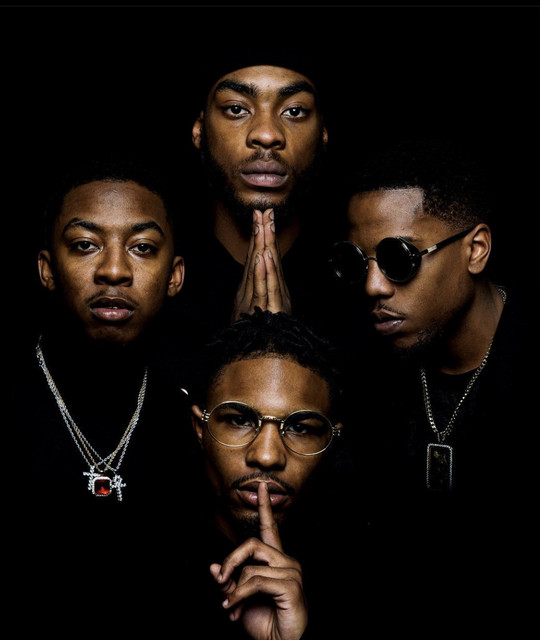
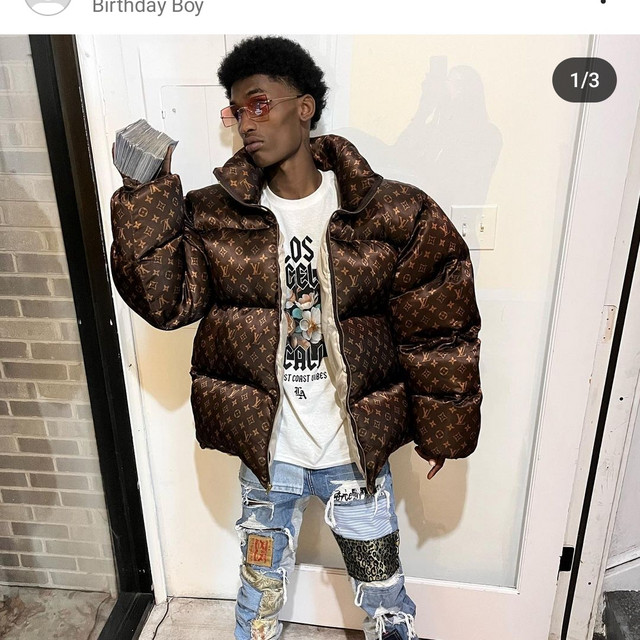

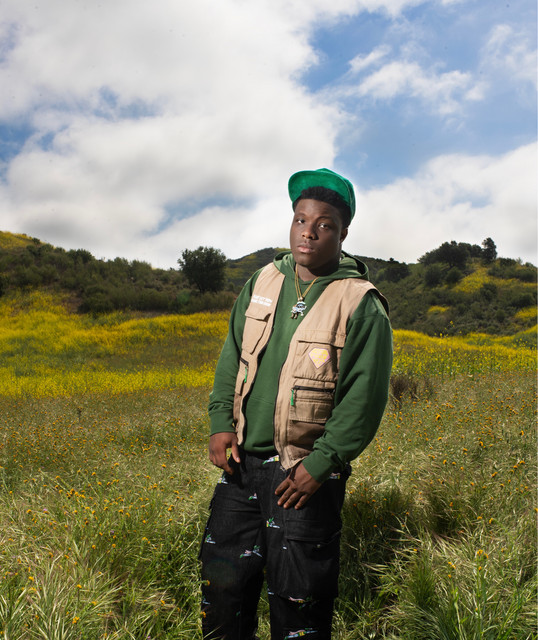
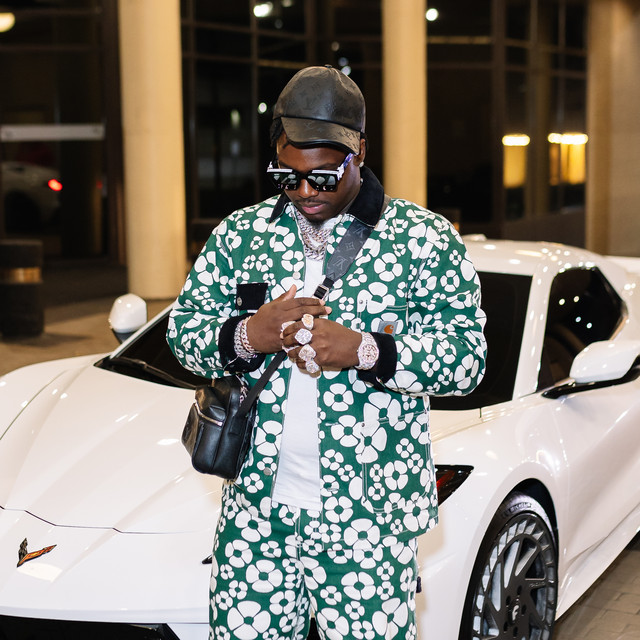

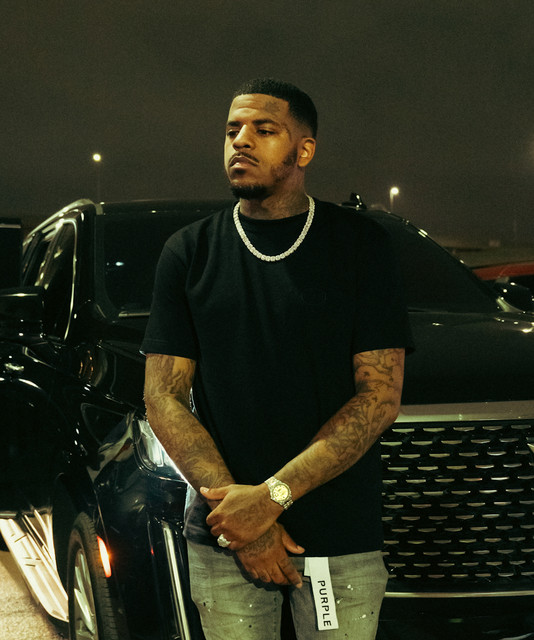
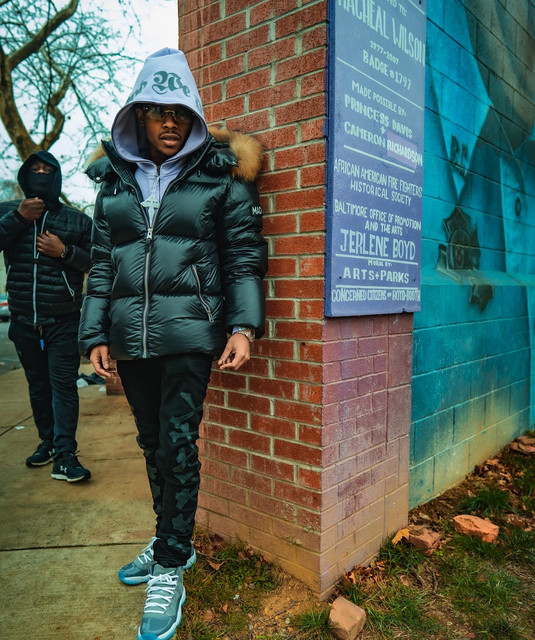
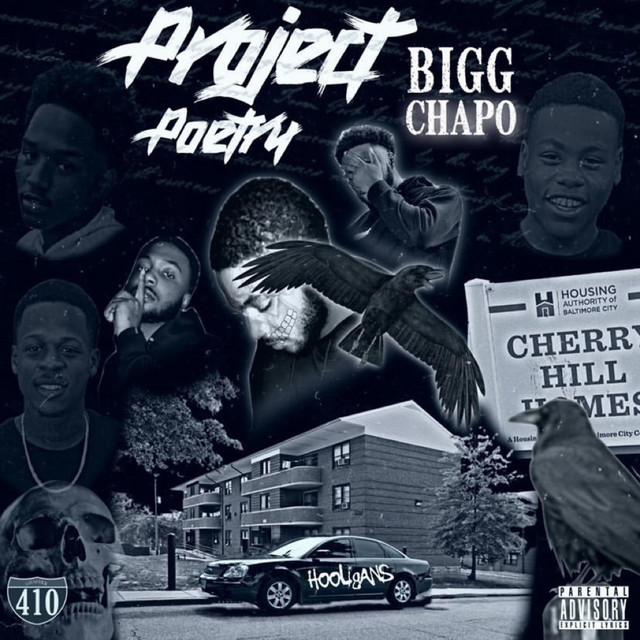
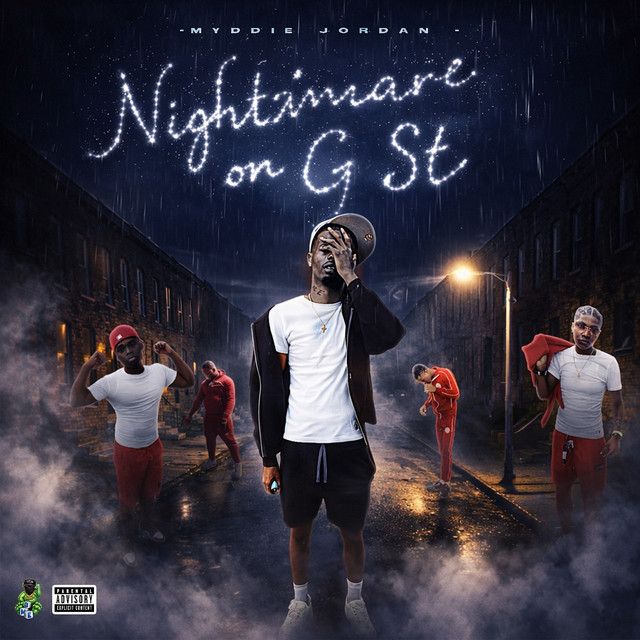




About Baltimore hip hop
Baltimore hip hop is a city-born subset of the broader East Coast rap story, defined by a crisp, city-smart vocabulary, a relentless rhythmic drive, and a willingness to fuse street narratives with experimental versatility. It isn’t a single sound so much as a dynamic ecosystem where gritty reality, rapid-fire delivery, and club energy collide. The result is music that can feel urgent and streetwise one moment, then slyly melodic or confrontational the next. It’s a scene that mirrors Baltimore’s layered identity: port-city pragmatism, immigrant and working-class hustle, and an openness to cross-genre collaboration.
Origins and birth
Baltimore’s rap lineage begins in the late 1990s and came into its own in the 2000s, drawing from East Coast traditions while absorbing the city’s own nightlife intensity. A strong lineage of club culture—Baltimore club—infused tempo, bounce, and call-and-response energy into rap projects, encouraging MCs to ride brisk breaks and punchy percussion with a sense of immediacy. This environment bred a generation of lyricists who could deliver sharp, street-focused verses without sacrificing wit or pop appeal. By mid-decade, Baltimore’s hip hop had begun to claim space beyond local venues, with artists collaborating across labels and scenes to translate the city’s ferocious energy into records with national attention.
Sound and technique
What often marks Baltimore hip hop is a balance between punchy, grounded drums and nimble, quotable lyricism. Flows can be quick, almost staccato, yet they ride beats with a swagger that can feel both intimate and boastful. Production frequently leans on hard-hitting 808s, tight snares, and samples drawn from R&B and soul, yielding music that can feel street-level but designed for wide appeal. The city’s vibe—hard work, street storytelling, and a test-your-writings stamina—gives the music its backbone, while collaborations with DJs and producers from the club camp push the tracks toward danceable, party-ready energy. The genre also embraces cross-genre experiments, from indie-leaning rap-songs to more sample-heavy, club-influenced cuts, reflecting Baltimore’s diverse musical appetite.
Key ambassadors and influence
Among the early ambassadors who helped put Baltimore on the map are Spank Rock, a figure who bridged Baltimore’s club aesthetics with hip hop and indie scenes, notably through the Bmore Gutter Music wave produced with Diplo and the Mad Decent circle. His work illustrated how the city’s energy could translate into widely heard, cross-genre records. Another prominent voice from the scene is King Los, whose polished lyricism and remixable hooks helped bring national attention to a Baltimore-born rapper with a sharp, battle-tested cadence. Together with a broad cohort of local MCs and producers who followed, these artists demonstrated that Baltimore hip hop could be both street-driven and sonically ambitious.
Global reach and listening culture
While rooted in Baltimore and the Mid-Atlantic, the genre speaks to listeners across the United States and has resonated with international audiences through streaming, touring, and collaborative projects. The city’s heat, efficiency, and penchant for cross-pollination make Baltimore hip hop a recognizably East Coast voice with a distinct local flavor that continues to attract curious ears in Europe, the UK, and beyond. For enthusiasts, the best entry points are the genre’s club-informed, lyrically adept records and the contemporary releases from the generation building on that legacy.
In short, Baltimore hip hop is a narrative-driven, rhythm-forward scene that thrives on the city’s dual appetite for grit and experimentation. It’s a sound that rewards attentive listening and energetic fandom alike.
Origins and birth
Baltimore’s rap lineage begins in the late 1990s and came into its own in the 2000s, drawing from East Coast traditions while absorbing the city’s own nightlife intensity. A strong lineage of club culture—Baltimore club—infused tempo, bounce, and call-and-response energy into rap projects, encouraging MCs to ride brisk breaks and punchy percussion with a sense of immediacy. This environment bred a generation of lyricists who could deliver sharp, street-focused verses without sacrificing wit or pop appeal. By mid-decade, Baltimore’s hip hop had begun to claim space beyond local venues, with artists collaborating across labels and scenes to translate the city’s ferocious energy into records with national attention.
Sound and technique
What often marks Baltimore hip hop is a balance between punchy, grounded drums and nimble, quotable lyricism. Flows can be quick, almost staccato, yet they ride beats with a swagger that can feel both intimate and boastful. Production frequently leans on hard-hitting 808s, tight snares, and samples drawn from R&B and soul, yielding music that can feel street-level but designed for wide appeal. The city’s vibe—hard work, street storytelling, and a test-your-writings stamina—gives the music its backbone, while collaborations with DJs and producers from the club camp push the tracks toward danceable, party-ready energy. The genre also embraces cross-genre experiments, from indie-leaning rap-songs to more sample-heavy, club-influenced cuts, reflecting Baltimore’s diverse musical appetite.
Key ambassadors and influence
Among the early ambassadors who helped put Baltimore on the map are Spank Rock, a figure who bridged Baltimore’s club aesthetics with hip hop and indie scenes, notably through the Bmore Gutter Music wave produced with Diplo and the Mad Decent circle. His work illustrated how the city’s energy could translate into widely heard, cross-genre records. Another prominent voice from the scene is King Los, whose polished lyricism and remixable hooks helped bring national attention to a Baltimore-born rapper with a sharp, battle-tested cadence. Together with a broad cohort of local MCs and producers who followed, these artists demonstrated that Baltimore hip hop could be both street-driven and sonically ambitious.
Global reach and listening culture
While rooted in Baltimore and the Mid-Atlantic, the genre speaks to listeners across the United States and has resonated with international audiences through streaming, touring, and collaborative projects. The city’s heat, efficiency, and penchant for cross-pollination make Baltimore hip hop a recognizably East Coast voice with a distinct local flavor that continues to attract curious ears in Europe, the UK, and beyond. For enthusiasts, the best entry points are the genre’s club-informed, lyrically adept records and the contemporary releases from the generation building on that legacy.
In short, Baltimore hip hop is a narrative-driven, rhythm-forward scene that thrives on the city’s dual appetite for grit and experimentation. It’s a sound that rewards attentive listening and energetic fandom alike.