Genre
baroque violin
Top Baroque violin Artists
Showing 23 of 23 artists





About Baroque violin
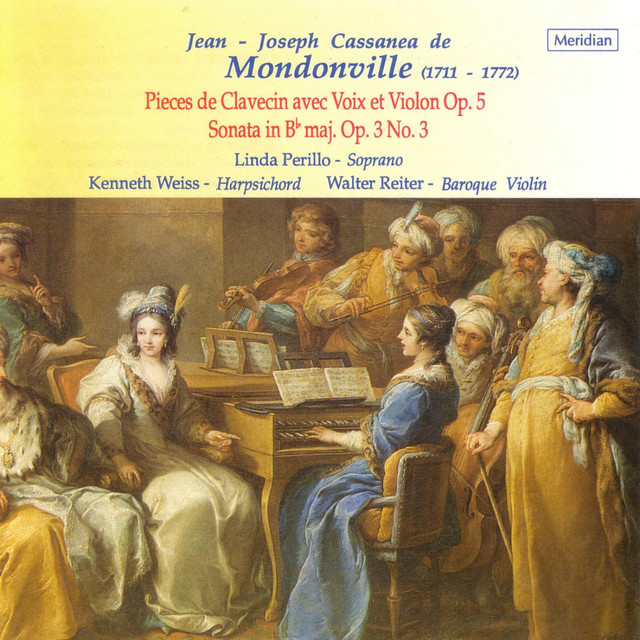
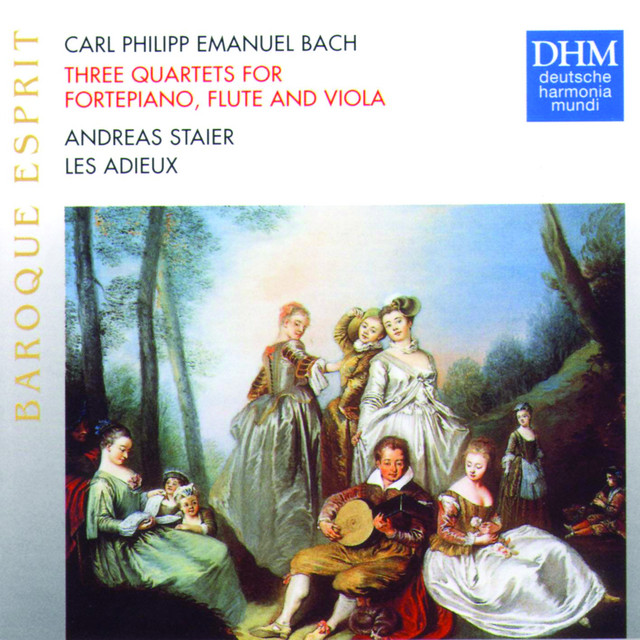
Baroque violin is both a sound world and a way of playing that belongs to the Baroque era, roughly 1600 to 1750. It denotes not only the repertoire written for the instrument but also a historically informed approach to performance: clean articulation, expressive ornamentation, and a distinctive approach to pitch, rhythm, and timbre. The instrument itself emerged from the violin family in Italy, with Cremona at the center of its development. The modern notion of a baroque violin emphasizes gut strings, a shorter neck and string length, lighter, more flexible bows, and the absence of a chin rest or shoulder rest. Tuning often centers around a lower pitch standard (around A = 415 Hz) to recreate the courtly, intimate sonorities of the period.
The baroque violin thrives on conversation and contrast. It is designed to articulate rapid runs and large, singing lines with a clarity of bowing that allows for crisp articulations and expressive nuances. The repertoire is visually and aurally thrilling: concertos, sonatas, and dance suites that require agility, elegance, and a keen sense of rhetorical pacing. The continuo bass—often a harpsichord or a cello/basso continuo group—provides harmonic support, while the violin voices explore melodic invention, virtuosic display, and affecting cantilena.
Key artists and ambassadors of the baroque violin include both historical masters and modern interpreters who have helped shape our understanding of the style. Among the composers, Arcangelo Corelli (1653–1713) codified a stylistic language in his Opus 5 and Opus 6 violin concerti that became a reference for technique and form. Antonio Vivaldi (1678–1741) expanded the violin’s virtuosic and expressive possibilities with dazzling concertos such as The Four Seasons. Other pivotal figures include Heinrich Ignaz Franz Biber (1644–1704), whose Rosary Sonatas exploited scordatura and exploratory tunings; and Jean-Marie Leclair (1697–1764), who helped fuse French taste with Italian technique. Pietro Locatelli (1695–1764) pushed technical mastery in his Caprices and concertos, while Johann Sebastian Bach (1685–1750) contributed profound violin works that remain touchstones for baroque performance practice.
In the 20th century and today, the baroque violin has enjoyed an informed revival. Early-music specialists and ensembles—led by figures such as Jordi Savall, Ton Koopman, Nikolaus Harnoncourt, and Trevor Pinnock—advocated for period instruments and historically informed interpretation. Modern baroque violinists often perform on period instruments or replicas, using gut strings, baroque bows, and ornamentation practices that mimic the stylings of the era. They bring to life not only Corelli and Vivaldi but a broader lineage of Italian, French, German, and Bohemian baroque violin literature, including Leclair, Locatelli, and Biber.
Geographically, the genre’s heartland is Western Europe, with deep roots in Italy, Germany, Austria, and France. It remains particularly vibrant in countries with strong early-music scenes—Italy, the Netherlands, the United Kingdom, Germany, and France—while North America and parts of Oceania host active ensembles, festivals, and educational programs. The baroque violin endures as a living tradition, inviting enthusiasts to hear the era’s dialogue between form and feeling, precision and warmth, structure and ornament.
The baroque violin thrives on conversation and contrast. It is designed to articulate rapid runs and large, singing lines with a clarity of bowing that allows for crisp articulations and expressive nuances. The repertoire is visually and aurally thrilling: concertos, sonatas, and dance suites that require agility, elegance, and a keen sense of rhetorical pacing. The continuo bass—often a harpsichord or a cello/basso continuo group—provides harmonic support, while the violin voices explore melodic invention, virtuosic display, and affecting cantilena.
Key artists and ambassadors of the baroque violin include both historical masters and modern interpreters who have helped shape our understanding of the style. Among the composers, Arcangelo Corelli (1653–1713) codified a stylistic language in his Opus 5 and Opus 6 violin concerti that became a reference for technique and form. Antonio Vivaldi (1678–1741) expanded the violin’s virtuosic and expressive possibilities with dazzling concertos such as The Four Seasons. Other pivotal figures include Heinrich Ignaz Franz Biber (1644–1704), whose Rosary Sonatas exploited scordatura and exploratory tunings; and Jean-Marie Leclair (1697–1764), who helped fuse French taste with Italian technique. Pietro Locatelli (1695–1764) pushed technical mastery in his Caprices and concertos, while Johann Sebastian Bach (1685–1750) contributed profound violin works that remain touchstones for baroque performance practice.
In the 20th century and today, the baroque violin has enjoyed an informed revival. Early-music specialists and ensembles—led by figures such as Jordi Savall, Ton Koopman, Nikolaus Harnoncourt, and Trevor Pinnock—advocated for period instruments and historically informed interpretation. Modern baroque violinists often perform on period instruments or replicas, using gut strings, baroque bows, and ornamentation practices that mimic the stylings of the era. They bring to life not only Corelli and Vivaldi but a broader lineage of Italian, French, German, and Bohemian baroque violin literature, including Leclair, Locatelli, and Biber.
Geographically, the genre’s heartland is Western Europe, with deep roots in Italy, Germany, Austria, and France. It remains particularly vibrant in countries with strong early-music scenes—Italy, the Netherlands, the United Kingdom, Germany, and France—while North America and parts of Oceania host active ensembles, festivals, and educational programs. The baroque violin endures as a living tradition, inviting enthusiasts to hear the era’s dialogue between form and feeling, precision and warmth, structure and ornament.