Data may be outdated
Last updated: 9 months ago — Click refresh to get the latest statistics.
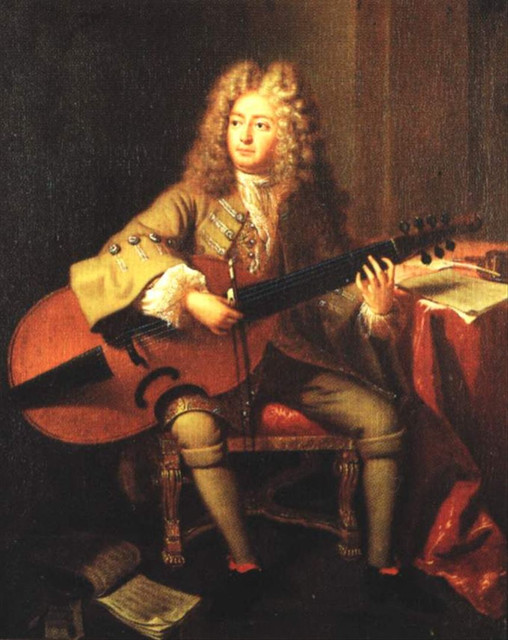
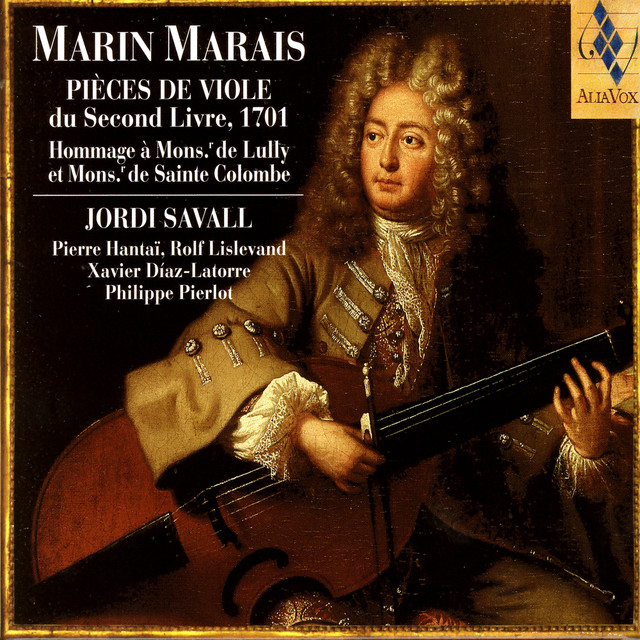
Marais was the preeminent bass viol player in turn-of-the-seventeenth century France. Although he composed four operas, he is primarily remembered for his some 600 compositions for various combinations of bass viols. These works were in the French tradition of collections of various pieces, rather than the Italian concertos and sonatas. The collections, ranging from seven to 41 pieces each, consist primarily of dances, fantasies, chaconnes, rondeaux, tombeaux, and pièces de caractère. These last are short, colorful works including descriptive titles such as Les voix humaines and Cloche ou carillon. There is even one work that is meant to describe an operation for the removal of a bladder stone. Marais intended these pieces to be played on any instruments, but they are in fact idiomatically suited for the bass viol and represent the finest collection of pieces for that instrument. Among Marais' numerous other compositions, his Pieces en trio pour les flûtes, violon, et dessus de viole (Trios for flute, violin and highest viol) of 1692 was the first published set of trio sonatas in France.
Marais spent his entire life in Paris. Little is known of his childhood other than his having studied with Sainte-Colombe, the most prominent violist and teacher at the time. In 1679, he became the "Regular Violist for the King," a position he held until his retirement in 1725. Marais also studied composition with <a href="spotify:artist:19v0Cnq5D4SKom8SVlXhkw">Lully</a> and subsequently worked with him throughout his career as a violist in his ensemble. <a href="spotify:artist:19v0Cnq5D4SKom8SVlXhkw">Lully</a> probably encouraged Marais to compose his four operas, Alcide (1693), Ariane et Bacchus (1696), Alcione (1706), and Sémélé (1709). All four are rather typical five-act tragedies very much in <a href="spotify:artist:19v0Cnq5D4SKom8SVlXhkw">Lully</a>'s style, and seemed to have been considerably successful, Alcione being staged as late as 1771. It is as the greatest and most important composer for the bass viol, however, that Marais is remembered today.
Marais spent his entire life in Paris. Little is known of his childhood other than his having studied with Sainte-Colombe, the most prominent violist and teacher at the time. In 1679, he became the "Regular Violist for the King," a position he held until his retirement in 1725. Marais also studied composition with <a href="spotify:artist:19v0Cnq5D4SKom8SVlXhkw">Lully</a> and subsequently worked with him throughout his career as a violist in his ensemble. <a href="spotify:artist:19v0Cnq5D4SKom8SVlXhkw">Lully</a> probably encouraged Marais to compose his four operas, Alcide (1693), Ariane et Bacchus (1696), Alcione (1706), and Sémélé (1709). All four are rather typical five-act tragedies very much in <a href="spotify:artist:19v0Cnq5D4SKom8SVlXhkw">Lully</a>'s style, and seemed to have been considerably successful, Alcione being staged as late as 1771. It is as the greatest and most important composer for the bass viol, however, that Marais is remembered today.
Monthly Listeners
130,709
Monthly Listeners History
Track the evolution of monthly listeners over the last 28 days.
Followers
35,931
Followers History
Track the evolution of followers over the last 28 days.
Top Cities
2,444 listeners

2,104 listeners

1,948 listeners

1,814 listeners

1,793 listeners

Related Artists


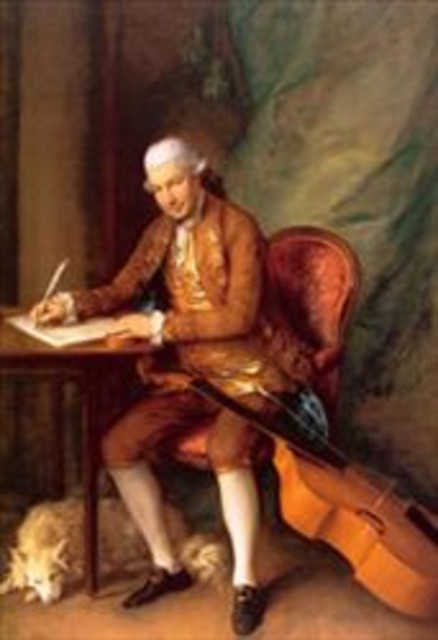
Carl Friedrich Abel
Nicola Matteis

Friederike Heumann


Giovanni Girolamo Kapsberger
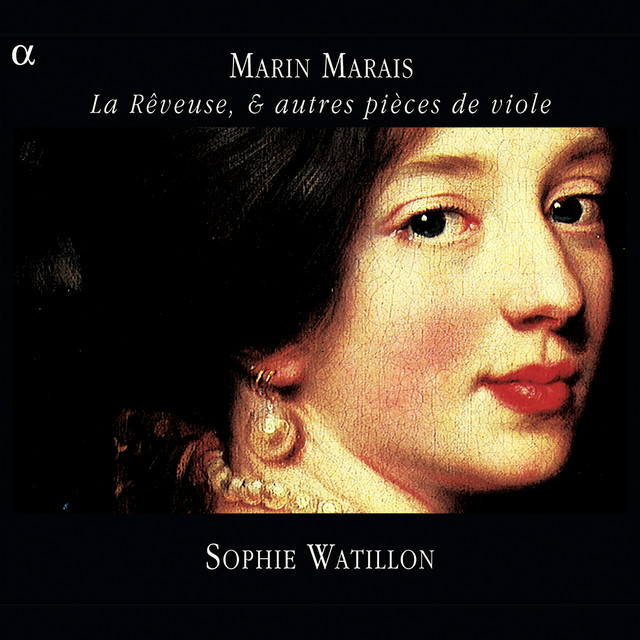
Sophie Watillon
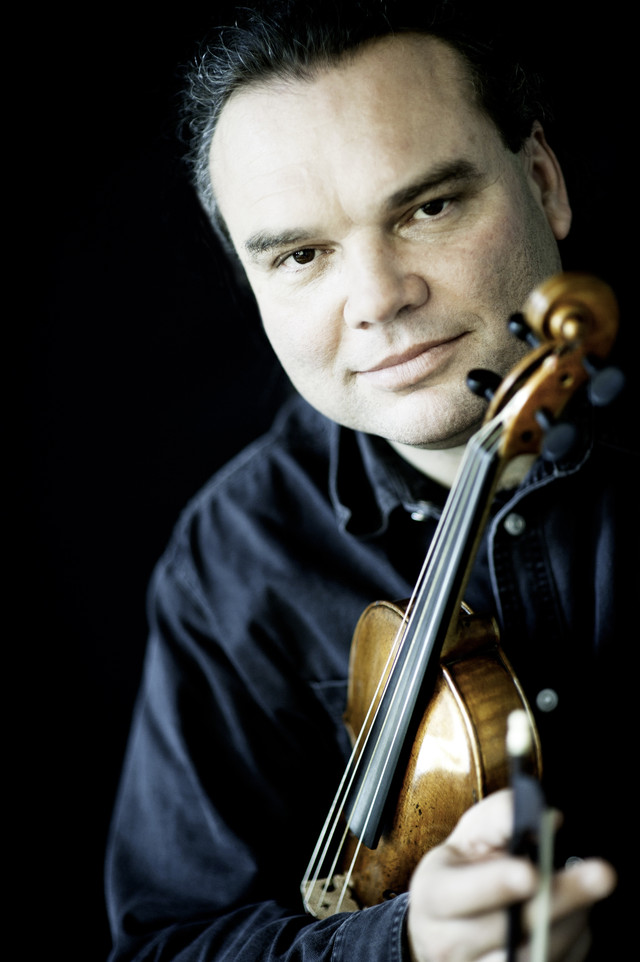
Gunar Letzbor

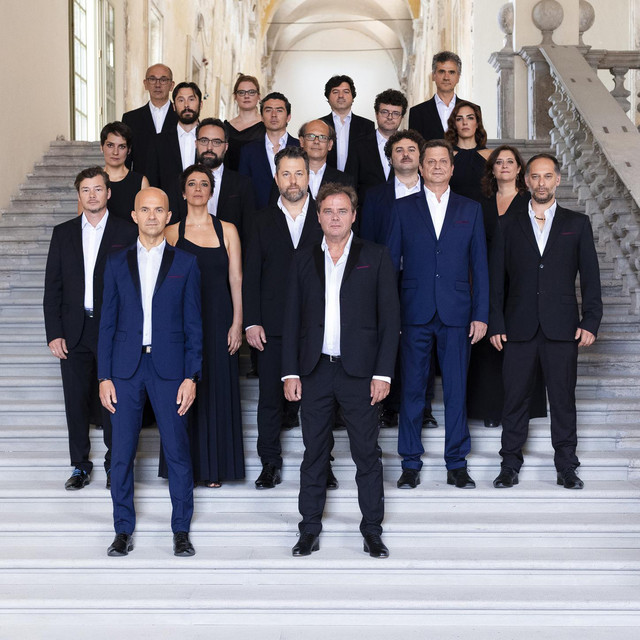
Ars Antiqua Austria
Stefano Montanari

Jupiter