Genre
battle rap
Top Battle rap Artists
Showing 25 of 68 artists



About Battle rap
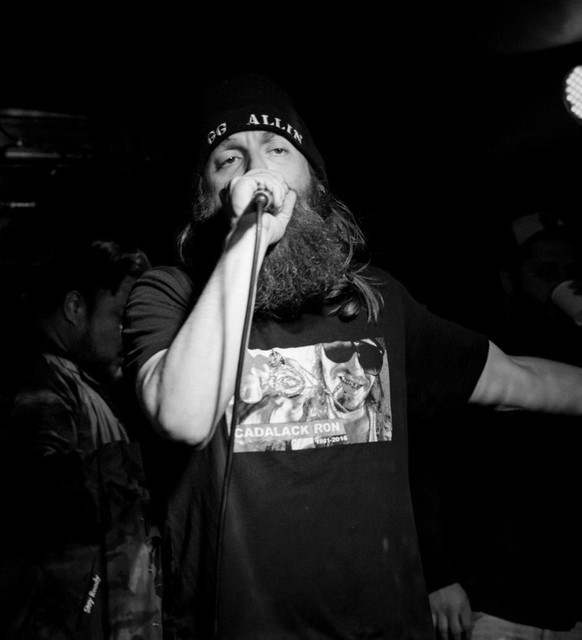
Battle rap is a distinctive branch of hip-hop defined by direct, live duels between MCs. In a typical format, two emcees step into a cipher, a stage, or a club arena and trade bars—punchy lines built on wordplay, metaphor, multisyllabic rhyme, and rapid-fire rhythm. The aim is to outshine one’s opponent with clever disses, self-promotion, storytelling, and crowd control, often leaving the audience roaring at a clever setup or devastating payoff. It’s as much about performance and presence as it is about rhyme schemes, timing, and improvisation.
The modern battle rap scene crystallized in the United States during the late 1990s and early 2000s, evolving from the long-running tradition of MCs testing each other in cyphers, clubs, and street corners. What began as spontaneous freestyles gradually matured into recorded battles and organized events, aided by underground tapes and then the internet. The rise of social video platforms in the 2000s—especially YouTube—transformed battle rap from local showdowns into a global phenomenon. A few marquee showdowns of the era, including legendary matchups that circulated online, helped codify the format: two performers, a host or DJ, and a live crowd whose reactions often decide the energy of the bout.
Two major forces helped professionalize the field: organized leagues and media-forward promotion. In the United States, leagues such as the Ultimate Rap League (URL) gained prominence around 2009–2010, turning street confrontations into televised-style events with curated lineups, judges, and extensive media coverage. In Canada and beyond, King of the Dot (KOTD) emerged as a parallel powerhouse, expanding to international events and helping to seed a truly global circuit. In the United Kingdom, the Don't Flop scene and other battlers nurtured a robust homegrown culture, proving that battle rap could thrive outside the United States when it had substance, charisma, and a dedicated fanbase. These networks—URL, KOTD, Don't Flop and others—form the backbone of the current competitive ecosystem.
Ambassadors and influential names span generations. Early icons such as Murda Mook and Loaded Lux framed the art with razor-sharp wit, complex wordplay, and battlefield bravado, while Canibus and Iron Solomon pushed the limits of technical prowess. In recent years, a new wave—featuring performers like Geechi Gotti, Iron, Av, and many others—has pushed the style toward high-velocity flows, intricate schemes, and personal, social, or political content. Pat Stay, a Canadian staple, and other international voices helped demonstrate that battle rap can travel across borders and languages, translating into diverse repertoires and audiences.
Geographically, the United States remains the heartbeat of battle rap, with major hubs in New York, Atlanta, and Los Angeles contributing storied clashes and a fast-growing pipeline of talent. The UK, Canada, and Australia host thriving scenes, while battles continue to surface online from almost every continent, fueling a global community. For music enthusiasts, battle rap offers a living archive of linguistic dexterity, performance artistry, and cultural storytelling—an ongoing dialogue in which every bar is a response, and every event a narrative twist.
The modern battle rap scene crystallized in the United States during the late 1990s and early 2000s, evolving from the long-running tradition of MCs testing each other in cyphers, clubs, and street corners. What began as spontaneous freestyles gradually matured into recorded battles and organized events, aided by underground tapes and then the internet. The rise of social video platforms in the 2000s—especially YouTube—transformed battle rap from local showdowns into a global phenomenon. A few marquee showdowns of the era, including legendary matchups that circulated online, helped codify the format: two performers, a host or DJ, and a live crowd whose reactions often decide the energy of the bout.
Two major forces helped professionalize the field: organized leagues and media-forward promotion. In the United States, leagues such as the Ultimate Rap League (URL) gained prominence around 2009–2010, turning street confrontations into televised-style events with curated lineups, judges, and extensive media coverage. In Canada and beyond, King of the Dot (KOTD) emerged as a parallel powerhouse, expanding to international events and helping to seed a truly global circuit. In the United Kingdom, the Don't Flop scene and other battlers nurtured a robust homegrown culture, proving that battle rap could thrive outside the United States when it had substance, charisma, and a dedicated fanbase. These networks—URL, KOTD, Don't Flop and others—form the backbone of the current competitive ecosystem.
Ambassadors and influential names span generations. Early icons such as Murda Mook and Loaded Lux framed the art with razor-sharp wit, complex wordplay, and battlefield bravado, while Canibus and Iron Solomon pushed the limits of technical prowess. In recent years, a new wave—featuring performers like Geechi Gotti, Iron, Av, and many others—has pushed the style toward high-velocity flows, intricate schemes, and personal, social, or political content. Pat Stay, a Canadian staple, and other international voices helped demonstrate that battle rap can travel across borders and languages, translating into diverse repertoires and audiences.
Geographically, the United States remains the heartbeat of battle rap, with major hubs in New York, Atlanta, and Los Angeles contributing storied clashes and a fast-growing pipeline of talent. The UK, Canada, and Australia host thriving scenes, while battles continue to surface online from almost every continent, fueling a global community. For music enthusiasts, battle rap offers a living archive of linguistic dexterity, performance artistry, and cultural storytelling—an ongoing dialogue in which every bar is a response, and every event a narrative twist.