Genre
bay area hip hop
Top Bay area hip hop Artists
Showing 25 of 79 artists






About Bay area hip hop
Bay Area hip hop is the San Francisco Bay Area’s distinctive voice within the broader West Coast and global rap landscape. Born from a vibrant mix of club culture, street storytelling, and a sly sense of humor, it grew up in the urban pockets of Oakland, San Francisco, Berkeley, Richmond, Vallejo and beyond. Emerging in the late 1980s and 1990s, it developed its own sonic and lyrical identity—funk-influenced sample layers, restless drums, rapid-fire flows, and slang that saturated the regional lexicon. It was never a single sound but a tapestry: party rap, hard-nitting street narratives, and then, in the 2000s, a kinetic, high-energy movement that would come to be known as hyphy.
If you’re tracing the Bay’s rap lineage, you start with early pioneers who carried the torch regionally before it caught wider attention. Too Short and MC Hammer anchored Oakland’s rising scene, turning West Coast pimp talk, witty braggadocio, and street-smart storytelling into commercial and cultural capital. In the 1990s, E-40 (Richmond) and Luniz (Oakland) expanded the sound with swaggering rhymes and catchy hooks, while groups like Souls of Mischief and the broader Hieroglyphics crew from Oakland helped popularize a more intricate, craft-focused approach to lyricism. Del the Funky Homosapien, from Oakland, became a beacon of alternative Bay Area rap, blending sharp wit with inventive storytelling. The Bay also produced a steady stream of regional stars—Richmond’s Mistah F.A.B., San Francisco’s Andre Nickatina, and San Francisco–Oakland–Vallejo affiliates—who kept the scene diverse and prolific.
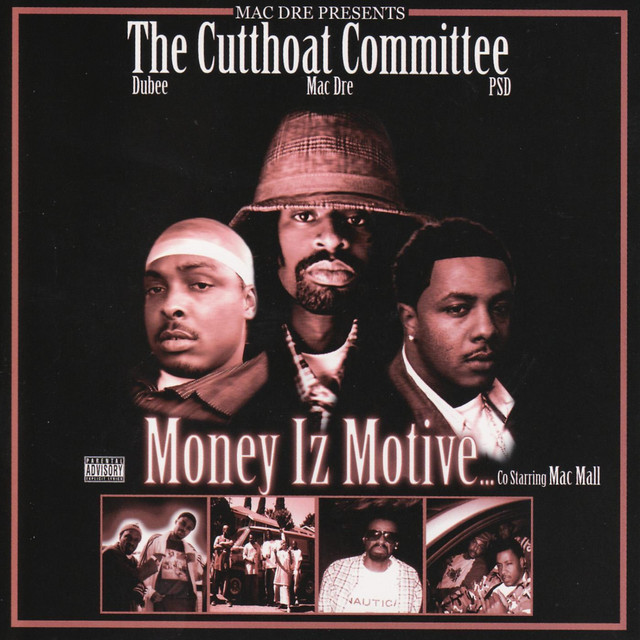
The hyphy era, roughly mid-2000s, was a defining chapter. It brought a high-velocity, party-forward aesthetic defined by energetic production, infectious hooks, and a culture of exuberant dance and car culture. Mac Dre, a Vallejo icon who helped crystallize the movement with Thizz Entertainment, became a national touchstone. Keak da Sneak, from Oakland, coined the term “hyphy,” while tracks like E-40’s “Tell Me When to Go” shouted the Bay’s exuberant, want-it-now attitude to a worldwide audience. Hyphy wasn’t just music; it was a whole lifestyle—dance, slang, fashion, and a certain reckless joy—that made the Bay Area’s sound instantly recognizable to fans across the country and beyond.
Ambassadors of the Bay’s sound have been both prolific solo artists and tight-knit collectives. The Hieroglyphics crew and their members championed a more literate, underground aesthetic while remaining deeply connected to the Bay’s roots. The region’s independent labels, club scenes, and radio support helped sustain an ecosystem where artists could blend funk, soul, and skate-park bravado with rap bravura. Beyond the United States, Bay Area hip hop has cultivated international followings—especially in Europe (notably France and the UK) and parts of Asia and Canada—through touring, collaborations, and streaming, which have carried its distinctive energy to listeners who crave the Bay’s audacious rhythm and storytelling.
Today, Bay Area hip hop remains a vital, fluid force: rooted in its history, yet unafraid to push forward with new voices, experimental productions, and the revival of its most classic motifs. For enthusiasts, it’s a genre that rewards attentive listening—where punchy bass, clever similes, and scenes from Bay Area streets converge into something unmistakably its own.
If you’re tracing the Bay’s rap lineage, you start with early pioneers who carried the torch regionally before it caught wider attention. Too Short and MC Hammer anchored Oakland’s rising scene, turning West Coast pimp talk, witty braggadocio, and street-smart storytelling into commercial and cultural capital. In the 1990s, E-40 (Richmond) and Luniz (Oakland) expanded the sound with swaggering rhymes and catchy hooks, while groups like Souls of Mischief and the broader Hieroglyphics crew from Oakland helped popularize a more intricate, craft-focused approach to lyricism. Del the Funky Homosapien, from Oakland, became a beacon of alternative Bay Area rap, blending sharp wit with inventive storytelling. The Bay also produced a steady stream of regional stars—Richmond’s Mistah F.A.B., San Francisco’s Andre Nickatina, and San Francisco–Oakland–Vallejo affiliates—who kept the scene diverse and prolific.
The hyphy era, roughly mid-2000s, was a defining chapter. It brought a high-velocity, party-forward aesthetic defined by energetic production, infectious hooks, and a culture of exuberant dance and car culture. Mac Dre, a Vallejo icon who helped crystallize the movement with Thizz Entertainment, became a national touchstone. Keak da Sneak, from Oakland, coined the term “hyphy,” while tracks like E-40’s “Tell Me When to Go” shouted the Bay’s exuberant, want-it-now attitude to a worldwide audience. Hyphy wasn’t just music; it was a whole lifestyle—dance, slang, fashion, and a certain reckless joy—that made the Bay Area’s sound instantly recognizable to fans across the country and beyond.
Ambassadors of the Bay’s sound have been both prolific solo artists and tight-knit collectives. The Hieroglyphics crew and their members championed a more literate, underground aesthetic while remaining deeply connected to the Bay’s roots. The region’s independent labels, club scenes, and radio support helped sustain an ecosystem where artists could blend funk, soul, and skate-park bravado with rap bravura. Beyond the United States, Bay Area hip hop has cultivated international followings—especially in Europe (notably France and the UK) and parts of Asia and Canada—through touring, collaborations, and streaming, which have carried its distinctive energy to listeners who crave the Bay’s audacious rhythm and storytelling.
Today, Bay Area hip hop remains a vital, fluid force: rooted in its history, yet unafraid to push forward with new voices, experimental productions, and the revival of its most classic motifs. For enthusiasts, it’s a genre that rewards attentive listening—where punchy bass, clever similes, and scenes from Bay Area streets converge into something unmistakably its own.