Genre
brazilian hardcore
Top Brazilian hardcore Artists
Showing 14 of 14 artists




About Brazilian hardcore
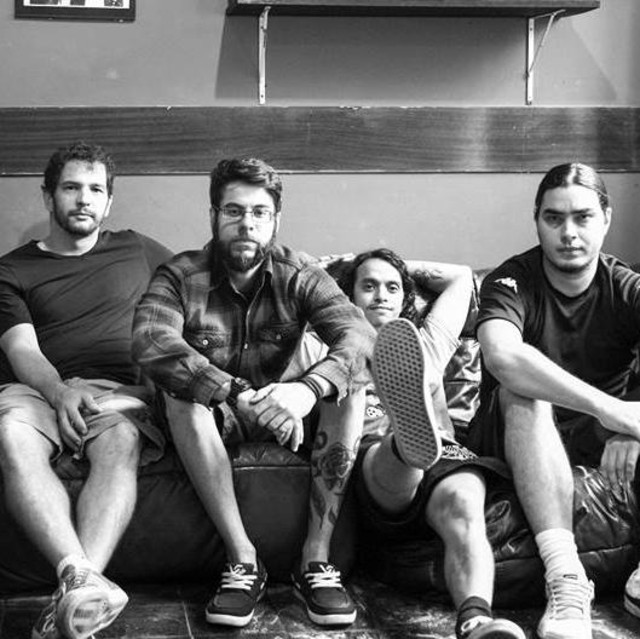
Brazilian hardcore is a distinctive thread in the global tapestry of hardcore punk, born from Brazil’s vibrant, stubborn DIY scenes in the early 1980s. In cities like São Paulo, Rio de Janeiro and Belo Horizonte, bands borrowed the speed and aggression of American hardcore while sharpening lyrics that spoke to Brazil’s political climate, street life, and social struggles. The movement grew from the same underground zines, rehearsal spaces and independent labels that defined punk across the Americas, but it quickly developed its own bite, tempo, and attitude.
The first waves arrived around 1982–1986, when youth crews started playing ferocious, short songs with shouted vocals, riff-heavy bursts and a sense of unity that transcended class. The music became a counterweight to censorship and a voice for disenfranchised neighborhoods, while also absorbing thrash and metal influences that would later explode into subgenres like crossover and grindcore. Brazilian hardcore is not a single sound but a spectrum: some bands chased relentless speed and pogo-friendly riffs; others pushed darker, heavier textures, or incorporated metallic breakdowns and extended live improvisations.
If there is a single emblem of Brazilian hardcore, it is the endurance and charisma of its ambassadors. Ratos de Porão, formed in the São Paulo underground in the mid-80s, became one of the most enduring and internationally visible acts. Their fearless fusion of punk aggression with later metallic tones helped popularize the Brazilian approach beyond national borders. Cólera, another foundational act from the same period, delivered urgent, street-level political energy and catchy, compact songs that underscored the movement’s emphasis on direct communication with fans. Garotos Podres, with their fast-paced riffs and sharp humor, popularized a more melodic, almost punk-anthem side of Brazilian hardcore while keeping the DIY spirit intact.
In the 1990s and 2000s, the scene widened to include bands from multiple Brazilian cities—each adding a regional stamp while keeping the core energy intact. Tours across Europe and North America helped bring attention to the Brazilian hardcore underground and fostered a network of festivals, split releases, and collaborative labels that kept the sound alive during lean years. The sound also bled into related spectrums, from metal-influenced crossover to faster grindcore, showing the genre’s versatility and resilience.
Today, Brazilian hardcore thrives in local scenes as much as in the international circuit. It remains deeply rooted in community venues, fanzines, and self-produced records, where the emphasis remains on unfiltered emotion, concise songs, and political or social urgency. While the global hardcore community tends to associate the term with a distinctly Brazilian identity, the genre continues to evolve: younger bands blend electronics, post-hardcore textures, and experimental riffs, while older acts revisit classic tempos with renewed urgency. Brazil’s hardcore history is not just a chronicle of bands and tours; it’s a template for authentic, do-it-yourself music making that has left an indelible mark on the scene worldwide.
The first waves arrived around 1982–1986, when youth crews started playing ferocious, short songs with shouted vocals, riff-heavy bursts and a sense of unity that transcended class. The music became a counterweight to censorship and a voice for disenfranchised neighborhoods, while also absorbing thrash and metal influences that would later explode into subgenres like crossover and grindcore. Brazilian hardcore is not a single sound but a spectrum: some bands chased relentless speed and pogo-friendly riffs; others pushed darker, heavier textures, or incorporated metallic breakdowns and extended live improvisations.
If there is a single emblem of Brazilian hardcore, it is the endurance and charisma of its ambassadors. Ratos de Porão, formed in the São Paulo underground in the mid-80s, became one of the most enduring and internationally visible acts. Their fearless fusion of punk aggression with later metallic tones helped popularize the Brazilian approach beyond national borders. Cólera, another foundational act from the same period, delivered urgent, street-level political energy and catchy, compact songs that underscored the movement’s emphasis on direct communication with fans. Garotos Podres, with their fast-paced riffs and sharp humor, popularized a more melodic, almost punk-anthem side of Brazilian hardcore while keeping the DIY spirit intact.
In the 1990s and 2000s, the scene widened to include bands from multiple Brazilian cities—each adding a regional stamp while keeping the core energy intact. Tours across Europe and North America helped bring attention to the Brazilian hardcore underground and fostered a network of festivals, split releases, and collaborative labels that kept the sound alive during lean years. The sound also bled into related spectrums, from metal-influenced crossover to faster grindcore, showing the genre’s versatility and resilience.
Today, Brazilian hardcore thrives in local scenes as much as in the international circuit. It remains deeply rooted in community venues, fanzines, and self-produced records, where the emphasis remains on unfiltered emotion, concise songs, and political or social urgency. While the global hardcore community tends to associate the term with a distinctly Brazilian identity, the genre continues to evolve: younger bands blend electronics, post-hardcore textures, and experimental riffs, while older acts revisit classic tempos with renewed urgency. Brazil’s hardcore history is not just a chronicle of bands and tours; it’s a template for authentic, do-it-yourself music making that has left an indelible mark on the scene worldwide.