Genre
brazilian techno
Top Brazilian techno Artists
Showing 19 of 19 artists







About Brazilian techno
Brazilian techno is a branch of techno born in Brazil’s vibrant underground, a synthesis of machine-like precision and samba-like heat. It emerged in the late 1990s and early 2000s as Brazilian clubs in São Paulo, Rio de Janeiro, and lesser-known experimental spaces began hosting international acts while nurturing a distinctly local voice. The sound kept the four-to-the-floor tempo that defines techno but layered percussive complexity and melodic textures that echo Brazilian rhythms, creating hypnotic trips through dark rooms and sunlit terraces alike.
It matured around iconic venues and labels. In São Paulo, D-Edge Club and its associated label became a crucible for techno-adjacent experimentation, while Warung Beach Club on the southern coast cultivated a festival-facing vibe with relentless dance-floor energy. Brazilian producers started releasing music that crossed borders, aided by tours in Europe and Latin America that fed back into the domestic scenes.
Characteristically, Brazilian techno leans into percussion: layered congas, bata, surdo, and metallic hits braided with dark basslines and shimmering synths. The range spans from stripped minimal to anthem-like peaks, often with a sense of tropical melancholy or uplift. Many tracks sit around the 125 to 132 BPM range, but the emphasis is on groove and momentum rather than sheer speed. Live sets emphasize tight mixing, live percussion, and analog hardware, giving a tactile, humid feel that clubbers recognize instantly.
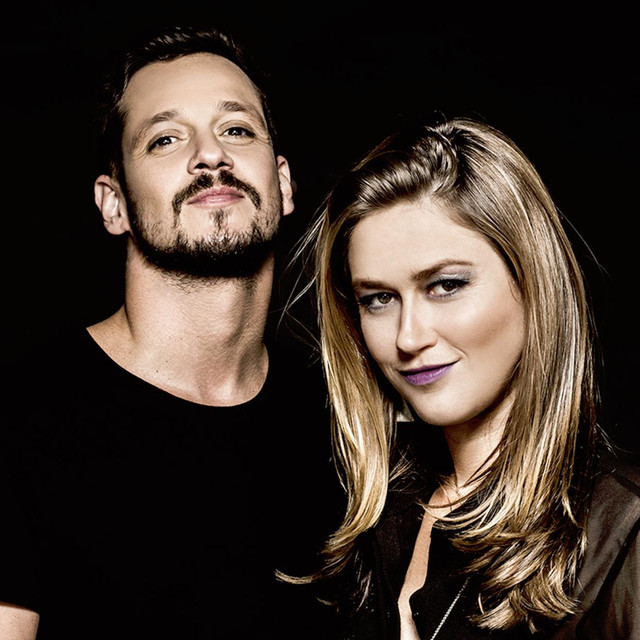
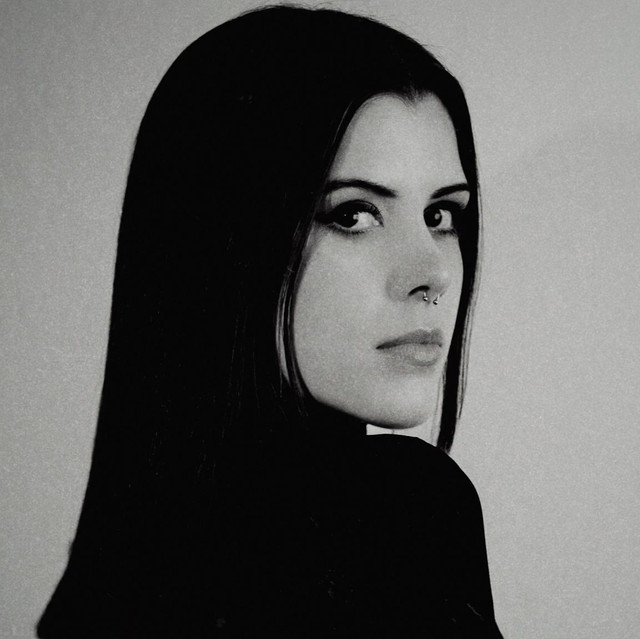
Ambassadors and key artists include ANNA, a Brazilian DJ and producer who has helped bring Brazilian techno to global clubs and festivals; Victor Ruiz, a São Paulo-based producer whose tracks and high-energy DJ sets have become a staple in international programs. Together with a wave of peers who navigate both dark club rooms and sun-drenched stages, they helped put Brazil on the global techno map. Labels such as Warung Recordings and D-Edge Records have provided platforms for homegrown talent and for Brazilian techno to travel abroad.
Popularity and reach: In Brazil, the genre commands a fervent following in major cities—São Paulo, Rio de Janeiro, Belo Horizonte, Curitiba and Porto Alegre—where clubs curate weekly techno nights. Internationally, Brazilian techno is well received in Germany (Berlin’s clubs and festivals), Spain, the Netherlands, Portugal, and the United Kingdom, where audiences crave the fusion of precision techno with Brazilian warmth. Warung Beach Club’s annual gatherings and the touring circuit of Brazilian DJs have helped maintain this cross-continental appeal.
Looking forward, Brazilian techno continues to evolve through collaborations with other Brazilian electronic subgenres, fusion with bass and tropical-house elements, and new producers who emerge from favelas and university labs alike. The scene emphasizes community, a DIY ethic, and a willingness to push sound design while keeping the dance floor at the center. Educationally, the Brazilian techno scene also thrives in university spaces, DIY collectives, and radio programs where producers share studio tips, modular setups, and production techniques. It invites cross-genre collaborations with MPC-driven bass, ambient techno, and tropical-infused house, keeping the sound fresh for both longtime clubbers and new listeners. For enthusiasts, following Brazilian labels like Warung Recordings and D-Edge Records provides a reliable portal into a living, evolving family of artists.
It matured around iconic venues and labels. In São Paulo, D-Edge Club and its associated label became a crucible for techno-adjacent experimentation, while Warung Beach Club on the southern coast cultivated a festival-facing vibe with relentless dance-floor energy. Brazilian producers started releasing music that crossed borders, aided by tours in Europe and Latin America that fed back into the domestic scenes.
Characteristically, Brazilian techno leans into percussion: layered congas, bata, surdo, and metallic hits braided with dark basslines and shimmering synths. The range spans from stripped minimal to anthem-like peaks, often with a sense of tropical melancholy or uplift. Many tracks sit around the 125 to 132 BPM range, but the emphasis is on groove and momentum rather than sheer speed. Live sets emphasize tight mixing, live percussion, and analog hardware, giving a tactile, humid feel that clubbers recognize instantly.
Ambassadors and key artists include ANNA, a Brazilian DJ and producer who has helped bring Brazilian techno to global clubs and festivals; Victor Ruiz, a São Paulo-based producer whose tracks and high-energy DJ sets have become a staple in international programs. Together with a wave of peers who navigate both dark club rooms and sun-drenched stages, they helped put Brazil on the global techno map. Labels such as Warung Recordings and D-Edge Records have provided platforms for homegrown talent and for Brazilian techno to travel abroad.
Popularity and reach: In Brazil, the genre commands a fervent following in major cities—São Paulo, Rio de Janeiro, Belo Horizonte, Curitiba and Porto Alegre—where clubs curate weekly techno nights. Internationally, Brazilian techno is well received in Germany (Berlin’s clubs and festivals), Spain, the Netherlands, Portugal, and the United Kingdom, where audiences crave the fusion of precision techno with Brazilian warmth. Warung Beach Club’s annual gatherings and the touring circuit of Brazilian DJs have helped maintain this cross-continental appeal.
Looking forward, Brazilian techno continues to evolve through collaborations with other Brazilian electronic subgenres, fusion with bass and tropical-house elements, and new producers who emerge from favelas and university labs alike. The scene emphasizes community, a DIY ethic, and a willingness to push sound design while keeping the dance floor at the center. Educationally, the Brazilian techno scene also thrives in university spaces, DIY collectives, and radio programs where producers share studio tips, modular setups, and production techniques. It invites cross-genre collaborations with MPC-driven bass, ambient techno, and tropical-infused house, keeping the sound fresh for both longtime clubbers and new listeners. For enthusiasts, following Brazilian labels like Warung Recordings and D-Edge Records provides a reliable portal into a living, evolving family of artists.