Genre
british children's music
Top British children's music Artists
Showing 25 of 62 artists








About British children's music
British children's music is best understood as a broad, living slice of the UK’s musical culture that sits at the crossroads of traditional nursery songs, educational sing-alongs, and kid-friendly pop. It isn’t a single sound so much as a lineage: centuries of rhyme and playground rhythm feeding into modern compositions crafted for families, schools, theatre, and broadcast. Its origins lie in the familiar chest of British oral and print traditions—nursery rhymes, lullabies, and comic songs passed down through generations—matured over the centuries into a repertoire that could be taught, performed, and recorded.
A more concrete birth date for its modern form is harder to pin down, but several milestones mark its emergence as a contemporary genre. The 20th century brought mass-produced children’s records, stage shows, and BBC programming that treated children as an audience with taste and agency, not merely as something to entertain. Early television and radio for kids—paired with the rise of children’s theatre and family concerts—helped codify a distinct British style of accessible, melody-driven material that blends humor, storytelling, and participation. The Wombles, a UK-based project from the 1970s with songs written by Mike Batt, stands as a canonical example: catchy, character-driven tunes tied to a beloved TV cartoon that achieved chart success and enduring cultural resonance. In Scotland, The Singing Kettle and similar acts carved out a regional but influential branch of the scene, combining seasonal shows, audience call-and-response, and family-friendly humor that traveled across the UK.
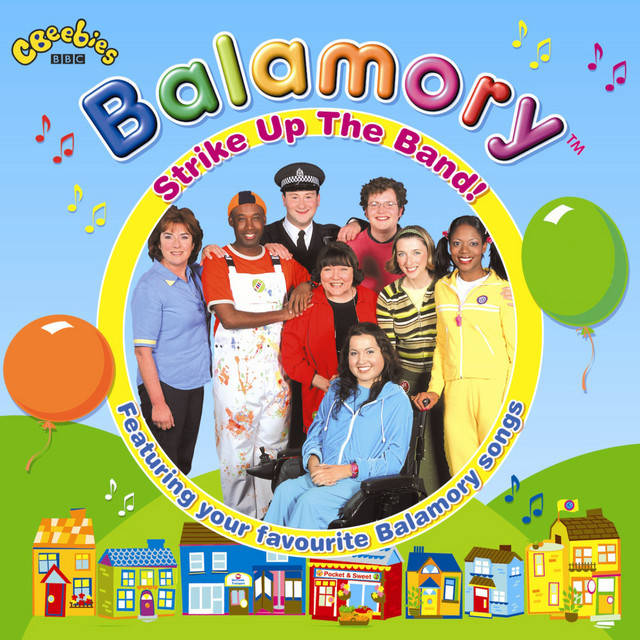
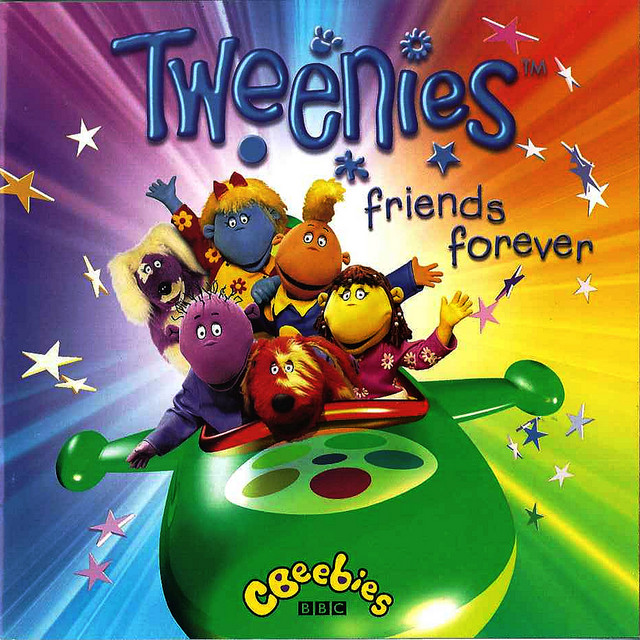
In recent decades, British children’s music has thrived within and alongside major broadcasting platforms. The BBC’s Children’s channels and services—CBeebies in particular—have served as incubators and showcases for both traditional-sounding material and new pop-inflected work aimed at younger listeners. This ecosystem encourages artists to write music that is catchy but also cognitively accessible, with repetitive hooks, clear narratives, and interactive textures that invite sing-alongs and movement. The genre also benefits from live circuits: family concerts, school matinees, community festivals, and theatre productions that keep the emphasis on participation and communal listening, rather than on studio polish alone.
Ambassadors and representative figures in the British scene tend to blend the traditional and the contemporary. The Wombles remain a touchstone for how a pop-inflected, character-led project can become a nationwide phenomenon. The Singing Kettle illustrates how regional identities within the UK can flourish within the national kid’s-music ecosystem. More broadly, today’s British children’s music often features bright production, theatrical storytelling, and a consonant emphasis on language play and humor that reflects the UK’s linguistic diversity. It also travels well beyond Britain: English-language children’s music finds audiences in Ireland, Canada, Australia, parts of Europe, and other English-speaking regions, largely through schools, broadcasters, and streaming platforms.
For enthusiasts, the genre offers a window into how culture, education, and entertainment intertwine for young listeners. It’s a history lesson, a live-theatre invitation, and a contemporary pop genre all at once—one that remains distinctly British in its lightness, its wit, and its communal spirit.
A more concrete birth date for its modern form is harder to pin down, but several milestones mark its emergence as a contemporary genre. The 20th century brought mass-produced children’s records, stage shows, and BBC programming that treated children as an audience with taste and agency, not merely as something to entertain. Early television and radio for kids—paired with the rise of children’s theatre and family concerts—helped codify a distinct British style of accessible, melody-driven material that blends humor, storytelling, and participation. The Wombles, a UK-based project from the 1970s with songs written by Mike Batt, stands as a canonical example: catchy, character-driven tunes tied to a beloved TV cartoon that achieved chart success and enduring cultural resonance. In Scotland, The Singing Kettle and similar acts carved out a regional but influential branch of the scene, combining seasonal shows, audience call-and-response, and family-friendly humor that traveled across the UK.
In recent decades, British children’s music has thrived within and alongside major broadcasting platforms. The BBC’s Children’s channels and services—CBeebies in particular—have served as incubators and showcases for both traditional-sounding material and new pop-inflected work aimed at younger listeners. This ecosystem encourages artists to write music that is catchy but also cognitively accessible, with repetitive hooks, clear narratives, and interactive textures that invite sing-alongs and movement. The genre also benefits from live circuits: family concerts, school matinees, community festivals, and theatre productions that keep the emphasis on participation and communal listening, rather than on studio polish alone.
Ambassadors and representative figures in the British scene tend to blend the traditional and the contemporary. The Wombles remain a touchstone for how a pop-inflected, character-led project can become a nationwide phenomenon. The Singing Kettle illustrates how regional identities within the UK can flourish within the national kid’s-music ecosystem. More broadly, today’s British children’s music often features bright production, theatrical storytelling, and a consonant emphasis on language play and humor that reflects the UK’s linguistic diversity. It also travels well beyond Britain: English-language children’s music finds audiences in Ireland, Canada, Australia, parts of Europe, and other English-speaking regions, largely through schools, broadcasters, and streaming platforms.
For enthusiasts, the genre offers a window into how culture, education, and entertainment intertwine for young listeners. It’s a history lesson, a live-theatre invitation, and a contemporary pop genre all at once—one that remains distinctly British in its lightness, its wit, and its communal spirit.