Genre
botswana hip hop
Top Botswana hip hop Artists
Showing 23 of 23 artists


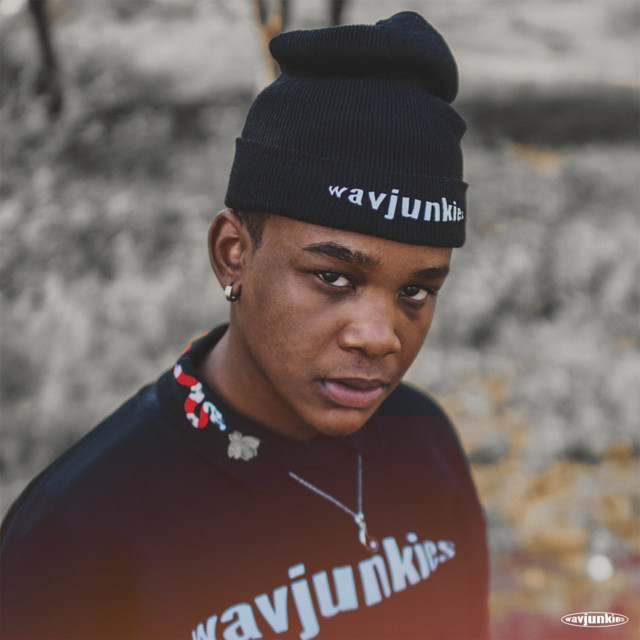


About Botswana hip hop
Botswana hip hop is a distinctly Southern African voice that grew out of urban life in Botswana’s towns, especially Gaborone, in the late 1990s and early 2000s. It began when local youths listened to American and South African hip hop on imported tapes and radio and started writing their own verses in Setswana and English to reflect everyday experiences—school, work, family, and the hustle. As digital production became more accessible and regional exchanges increased, a uniquely Botswana flavor emerged: lyrics rooted in local storytelling and a flow that could switch between Setswana lyricism and English punchlines, all set to tracks that fused global hip hop with homegrown sensibilities.
Lyrically, Botswana hip hop is known for its sharp storytelling, humor, and social commentary. Rappers often speak to the realities of city life, youth aspirations, education, and community resilience, while weaving in Botswana’s cultural references and everyday slang. The bilingual approach—Setswana lines paired with English—gives the genre its distinctive cadence and accessibility. This linguistic duality allows artists to connect with local audiences while still resonating with listeners who follow the broader African and global hip hop scenes. The result is a sound that can feel intimate and personal yet cut across borders when remixed or shared online.
Sonic characteristics lean into a clean, drum-forward approach that can range from classic boom-bap-inspired rhythms to contemporary, trap-influenced grooves and Afro-fusion textures. Producers often blend tight snare work with minimalist loops, allowing the rapper’s voice to carry the story, but they also experiment with percussion patterns that nod to Botswana’s own dance and rhythm sensibilities. The production is frequently crisp and economical, leaving space for catchy hooks, witty wordplay, and call-and-response moments that energize live crowds. The whole feel can be both introspective and club-ready, a sign of a scene comfortable moving between intimate storytelling and larger, festival-friendly energy.
The Botswana scene thrives on community and collaboration. It has grown through campus gigs, local radio—where fresh tracks get tested and refined—and independent labels that champion homegrown talent. Open-mic nights and underground battles helped cultivate a generation of artists who are comfortable performing in small venues as well as on bigger stages across Southern Africa. In recent years, the genre has benefited from regional exchanges—artists collaborating with peers in neighboring countries and using online platforms to reach a wider audience. This cross-pollination has kept the sound fresh while preserving its core identity: authentic Botswana voices speaking to local life within a global hip hop framework.
Ambassadors of Botswana hip hop are the trailblazers who carry the sound beyond city limits. They are the pioneers who champion the aesthetics, mentor new artists, and help secure stages and radio play, both in Botswana and regionally. The scene’s growth is increasingly defined by these figures—early movers, producers, and MCs who’ve managed to translate local experiences into music that resonates with listeners across Southern Africa and among Botswana’s diaspora worldwide.
For music enthusiasts, Botswana hip hop offers a compelling blend: rooted storytelling, bilingual flow, and production that mixes classic hip hop discipline with contemporary Afro-pop and regional rhythms. It’s a genre that invites exploration—tracking its evolution from the 2000s to today reveals a resilient, imaginative culture that continues to push boundaries while staying connected to its Botswana roots.
Lyrically, Botswana hip hop is known for its sharp storytelling, humor, and social commentary. Rappers often speak to the realities of city life, youth aspirations, education, and community resilience, while weaving in Botswana’s cultural references and everyday slang. The bilingual approach—Setswana lines paired with English—gives the genre its distinctive cadence and accessibility. This linguistic duality allows artists to connect with local audiences while still resonating with listeners who follow the broader African and global hip hop scenes. The result is a sound that can feel intimate and personal yet cut across borders when remixed or shared online.
Sonic characteristics lean into a clean, drum-forward approach that can range from classic boom-bap-inspired rhythms to contemporary, trap-influenced grooves and Afro-fusion textures. Producers often blend tight snare work with minimalist loops, allowing the rapper’s voice to carry the story, but they also experiment with percussion patterns that nod to Botswana’s own dance and rhythm sensibilities. The production is frequently crisp and economical, leaving space for catchy hooks, witty wordplay, and call-and-response moments that energize live crowds. The whole feel can be both introspective and club-ready, a sign of a scene comfortable moving between intimate storytelling and larger, festival-friendly energy.
The Botswana scene thrives on community and collaboration. It has grown through campus gigs, local radio—where fresh tracks get tested and refined—and independent labels that champion homegrown talent. Open-mic nights and underground battles helped cultivate a generation of artists who are comfortable performing in small venues as well as on bigger stages across Southern Africa. In recent years, the genre has benefited from regional exchanges—artists collaborating with peers in neighboring countries and using online platforms to reach a wider audience. This cross-pollination has kept the sound fresh while preserving its core identity: authentic Botswana voices speaking to local life within a global hip hop framework.
Ambassadors of Botswana hip hop are the trailblazers who carry the sound beyond city limits. They are the pioneers who champion the aesthetics, mentor new artists, and help secure stages and radio play, both in Botswana and regionally. The scene’s growth is increasingly defined by these figures—early movers, producers, and MCs who’ve managed to translate local experiences into music that resonates with listeners across Southern Africa and among Botswana’s diaspora worldwide.
For music enthusiasts, Botswana hip hop offers a compelling blend: rooted storytelling, bilingual flow, and production that mixes classic hip hop discipline with contemporary Afro-pop and regional rhythms. It’s a genre that invites exploration—tracking its evolution from the 2000s to today reveals a resilient, imaginative culture that continues to push boundaries while staying connected to its Botswana roots.