Genre
bush ballad
Top Bush ballad Artists
Showing 17 of 17 artists









About Bush ballad
Bush ballad is an Australian folk-song tradition that centers on storytelling about life in the outback: drovers, swagmen, shearers, graziers, drought, frontier towns, and the quiet heroism and humor found in everyday rural Australian life. It grew out of the late 19th century, when Australian poets and musicians fused British balladry with a distinctly Australian landscape and vernacular. The form emerged from pubs, shearing sheds, camps, and newspapers, where a billowing mix of poetry and song could capture the vast plains and the tough, often witty, characters who inhabited them. The result is a narrative, character-driven style that can be rousing, elegiac, satirical, or a little sly, always with a strong sense of place.
Two figures loom large in defining the genre: Banjo Paterson and Henry Lawson. Paterson’s vivid tales and lyric poems—often written with the aim of being sung—set many of the archetypes of bush life to a catchy, durable rhythm. Henry Lawson’s lean, austere storytelling offered a parallel voice that emphasized hardship, resilience, and the stark beauty of the landscape. Their work in the 1880s and 1890s established the bush ballad as a national voice, not merely a regional pastime. The pinnacle of the tradition’s repertoire is often considered Waltzing Matilda (written as Paterson’s verse in 1895 and later set to music by Christina MacPherson). The song’s blend of elegy and wit, its iconic “swagman” figure, and its Australian spirit helped popularize the genre beyond its original pubs and rural pockets.
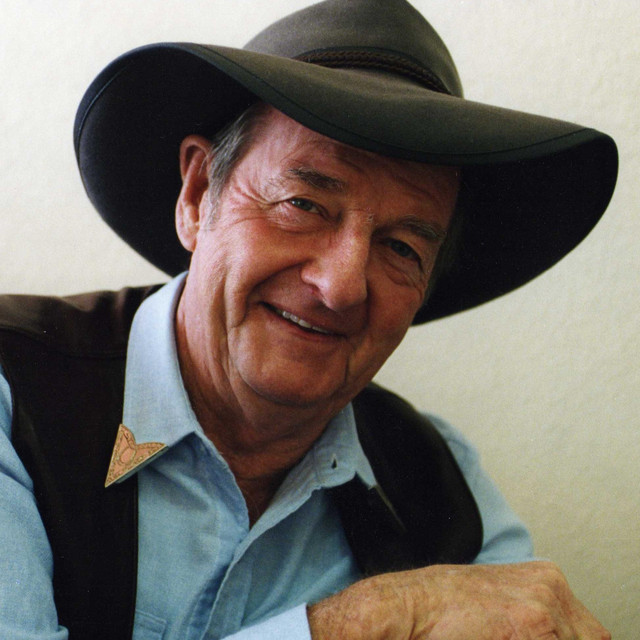
As the 20th century unfolded, the bush ballad evolved into a living part of Australian country music. Slim Dusty, one of the most celebrated figures in Australian song, embodied the bush ballad spirit for a modern audience, keeping stories of the outback, towns, and the land in steady circulation through radio, records, and live performance. John Williamson, another towering name, carried the tradition forward with a distinctly contemporary approach while preserving its storytelling core. These ambassadors helped translate the sphere of traditional bush ballads into accessible, widely performed country narratives that resonated with new generations.
Geographically, bush ballads are most deeply rooted in Australia, where the genre shaped and reflected national identity. They are most popular in Australia, particularly in rural and regional communities, but they also circulate in New Zealand and among English-speaking folk and country audiences in the United Kingdom and North America where Australian storytelling and country music have earned dedicated followings. The genre remains a living, evolving strand of Australian music, often overlapping with contemporary country and folk, and thriving at festivals that celebrate storytelling through song—such as Australia’s Tamworth Country Music Festival, a focal point for the revival and ongoing appreciation of bush ballads.
In sum, bush ballad is a saga-driven, landscape-anchored form that forged a distinct Australian voice in song. Its core ingredients—lively narrative, a love-hate relationship with the land, and a sense of humor under pressure—continue to attract music enthusiasts who seek music with rooted storytelling, cultural texture, and a clear sense of place.
Two figures loom large in defining the genre: Banjo Paterson and Henry Lawson. Paterson’s vivid tales and lyric poems—often written with the aim of being sung—set many of the archetypes of bush life to a catchy, durable rhythm. Henry Lawson’s lean, austere storytelling offered a parallel voice that emphasized hardship, resilience, and the stark beauty of the landscape. Their work in the 1880s and 1890s established the bush ballad as a national voice, not merely a regional pastime. The pinnacle of the tradition’s repertoire is often considered Waltzing Matilda (written as Paterson’s verse in 1895 and later set to music by Christina MacPherson). The song’s blend of elegy and wit, its iconic “swagman” figure, and its Australian spirit helped popularize the genre beyond its original pubs and rural pockets.
As the 20th century unfolded, the bush ballad evolved into a living part of Australian country music. Slim Dusty, one of the most celebrated figures in Australian song, embodied the bush ballad spirit for a modern audience, keeping stories of the outback, towns, and the land in steady circulation through radio, records, and live performance. John Williamson, another towering name, carried the tradition forward with a distinctly contemporary approach while preserving its storytelling core. These ambassadors helped translate the sphere of traditional bush ballads into accessible, widely performed country narratives that resonated with new generations.
Geographically, bush ballads are most deeply rooted in Australia, where the genre shaped and reflected national identity. They are most popular in Australia, particularly in rural and regional communities, but they also circulate in New Zealand and among English-speaking folk and country audiences in the United Kingdom and North America where Australian storytelling and country music have earned dedicated followings. The genre remains a living, evolving strand of Australian music, often overlapping with contemporary country and folk, and thriving at festivals that celebrate storytelling through song—such as Australia’s Tamworth Country Music Festival, a focal point for the revival and ongoing appreciation of bush ballads.
In sum, bush ballad is a saga-driven, landscape-anchored form that forged a distinct Australian voice in song. Its core ingredients—lively narrative, a love-hate relationship with the land, and a sense of humor under pressure—continue to attract music enthusiasts who seek music with rooted storytelling, cultural texture, and a clear sense of place.