Genre
cajun
Top Cajun Artists
Showing 25 of 1,141 artists






About Cajun
Cajun music is a roots-driven, dance-oriented tradition born from the Acadian settlers who were exiled from the Canadian Maritimes and found a home in Louisiana’s Acadiana. By the 19th century, these French-speaking newcomers had begun shaping a sound that blended their Franco-American heritage with African, Creole, Native American, and rural Louisiana influences. What emerged was a vibrant, community-centered music that could be heard in kitchens, on riverbanks, at dances, and later on radio stages and concert halls. The earliest recorded Cajun performances date back to the 1920s and 1930s, with iconic voices like Amédé Ardoin helping to define the vocal style and storytelling that would come to anchor the genre.
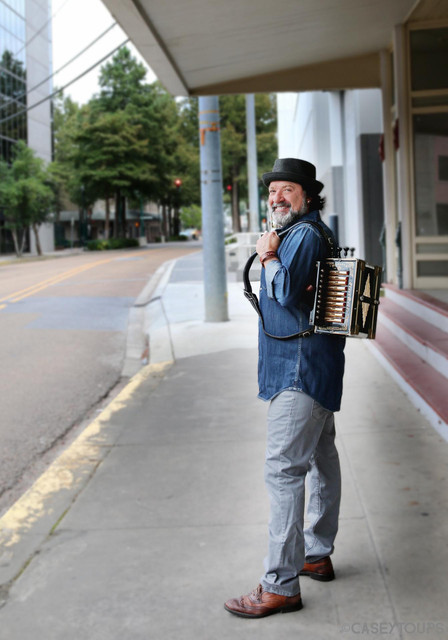
Musically, Cajun is unmistakable for its core pairing of fiddle (violin) and diatonic accordion, often supported by a triangle, rhythm guitar, and occasionally spoons or jaw harp. The fiddle carries the melody with a rural, horn-like bite, while the accordion supplies the harmonic drive and a distinctive Cajun lilt. Songs frequently switch between Cajun French and English, preserving a tight bond with the language and culture of Acadiana. The repertoire ranges from lively two-steps and waltzes to more wistful ballads, all rooted in everyday life—work, family, river life, and the Cajun sense of humor about love and hardship. The ethnic mixture in the music—French-Canadian roots with Southern American textures—gives Cajun its characteristic fusion feel.
In the 1960s and beyond, Cajun music enjoyed a revival that brought it from local kitchens to national and international stages. This “Cajun revival” was partly fueled by radio, festival circuits, and a growing curiosity about Americana roots music. It also raised a cadre of ambassadors who carried Cajun’s sound to wider audiences. Dewey Balfa and the Balfa Brothers became emblematic figures, whose energetic fiddling, tight harmonies, and authentic accents helped reintroduce Cajun music as a living, evolving art form. Michael Doucet’s Beausoleil emerged as another major force, fusing traditional Cajun forms with contemporary sensibilities and a range of studio productions that broadened the genre’s appeal. D.L. Menard, often called the Cajun “king,” and Marc Savoy—along with the Savoy Family Band—are widely celebrated for their stewardship and innovation, preserving classic tunes while expanding the repertoire for modern listeners.
Cajun music remains most strongly associated with Louisiana’s Acadiana—a cultural landscape centered on Lafayette and its surrounding towns, though its influence has spread to Texas, with its own Cajun-leaning communities, and to Caribbean and European audiences through festivals, recordings, and touring artists. It thrives in festivals like the Festival Acadiens et Créoles and in regional clubs where the dance floor is a shared memory of community life. Today’s Cajun scene happily blends tradition with new voices, from young fiddlers to modern songwriters, keeping the genre both nostalgic and refreshingly contemporary.
For listeners looking to dive in, start with the classic Balfa Brothers recordings, the Beausoleil catalog led by Michael Doucet, and D.L. Menard’s storytelling ballads. You’ll hear the laughter, the ache, and the stubborn joy that define Cajun music—an enduring thread in the fabric of Louisiana’s musical identity and a vibrant dialogue with global roots music.
Musically, Cajun is unmistakable for its core pairing of fiddle (violin) and diatonic accordion, often supported by a triangle, rhythm guitar, and occasionally spoons or jaw harp. The fiddle carries the melody with a rural, horn-like bite, while the accordion supplies the harmonic drive and a distinctive Cajun lilt. Songs frequently switch between Cajun French and English, preserving a tight bond with the language and culture of Acadiana. The repertoire ranges from lively two-steps and waltzes to more wistful ballads, all rooted in everyday life—work, family, river life, and the Cajun sense of humor about love and hardship. The ethnic mixture in the music—French-Canadian roots with Southern American textures—gives Cajun its characteristic fusion feel.
In the 1960s and beyond, Cajun music enjoyed a revival that brought it from local kitchens to national and international stages. This “Cajun revival” was partly fueled by radio, festival circuits, and a growing curiosity about Americana roots music. It also raised a cadre of ambassadors who carried Cajun’s sound to wider audiences. Dewey Balfa and the Balfa Brothers became emblematic figures, whose energetic fiddling, tight harmonies, and authentic accents helped reintroduce Cajun music as a living, evolving art form. Michael Doucet’s Beausoleil emerged as another major force, fusing traditional Cajun forms with contemporary sensibilities and a range of studio productions that broadened the genre’s appeal. D.L. Menard, often called the Cajun “king,” and Marc Savoy—along with the Savoy Family Band—are widely celebrated for their stewardship and innovation, preserving classic tunes while expanding the repertoire for modern listeners.
Cajun music remains most strongly associated with Louisiana’s Acadiana—a cultural landscape centered on Lafayette and its surrounding towns, though its influence has spread to Texas, with its own Cajun-leaning communities, and to Caribbean and European audiences through festivals, recordings, and touring artists. It thrives in festivals like the Festival Acadiens et Créoles and in regional clubs where the dance floor is a shared memory of community life. Today’s Cajun scene happily blends tradition with new voices, from young fiddlers to modern songwriters, keeping the genre both nostalgic and refreshingly contemporary.
For listeners looking to dive in, start with the classic Balfa Brothers recordings, the Beausoleil catalog led by Michael Doucet, and D.L. Menard’s storytelling ballads. You’ll hear the laughter, the ache, and the stubborn joy that define Cajun music—an enduring thread in the fabric of Louisiana’s musical identity and a vibrant dialogue with global roots music.