Last updated: 4 hours ago
Pianist and singer/songwriter Marcia Ball is a living example of how East Texas blues meets Southwest Louisiana swamp rock. Ball was born March 20, 1949, in Orange, Texas, but grew up across the border in Vinton, Louisiana. That town is squarely in the heart of "the Texas Triangle," an area that includes portions of both states and has produced some of the country's greatest blues talents, including <a href="spotify:artist:4NgfOZCL9Ml67xzM0xzIvC">Janis Joplin</a>, <a href="spotify:artist:2ODUxmFxJSyvGiimNhMHbO">Johnny</a> and <a href="spotify:artist:3UNrI3SG1l2ezKikxQ2zuk">Edgar Winter</a>, <a href="spotify:artist:4ownYCUB1wbXdo3eTnakwq">Queen Ida Guillory</a>, <a href="spotify:artist:56tyBq8Ta1BdSTBs0gGhog">Lonnie Brooks</a>, <a href="spotify:artist:6mpIGgvVVlb1m1OwoGKRuY">Zachary Richard</a>, and <a href="spotify:artist:3LzQVHowQWbzJBwBBNRPfY">Clifton Chenier</a>, to name a few. Ball's earliest awareness of blues came over the radio, where she heard people like <a href="spotify:artist:01Z8Z9K54zewyP04ZfGLSv">Irma Thomas</a>, <a href="spotify:artist:2RyY5yFlJh6jIPfMDhHgyD">Professor Longhair</a>, and <a href="spotify:artist:0iOVhN3tnSvgDbcg25JoJb">Etta James</a>, all of whom she credits as influences. She began playing piano at age five, learning from her grandmother and aunt while also taking formal lessons from a teacher.
Ball entered Louisiana State University in the late '60s as an English major; in college, she played in the psychedelic rock & roll band Gum. In 1970, Ball and her first husband were headed west in their car to San Francisco, but the car needed repairs in Austin, Texas, where they had stopped off to visit one of their former bandmates. After experiencing some of the music, sights, and food in Austin, the two decided to stay. Ball has been based in Austin ever since. Ball landed a record deal with <a href="spotify:search:label%3A%22Capitol+Records%22">Capitol Records</a>, who issued the country-leaning Circuit Queen in 1971. The album made little commercial impact, and she soon joined Freda & the Firedogs, an outlaw country group who cut an album for <a href="spotify:search:label%3A%22Atlantic%22">Atlantic</a> in 1972 (produced by <a href="spotify:artist:67yXeG7xPSVu9PtzHJ5AS8">Jerry Wexler</a>) that went unreleased until 2002 due to contractual problems. She continued to work with the band, who issued a live album in 1979, while playing solo gigs in which she honed her signature piano style, mixing equal parts boogie-woogie with zydeco and Louisiana swamp rock.
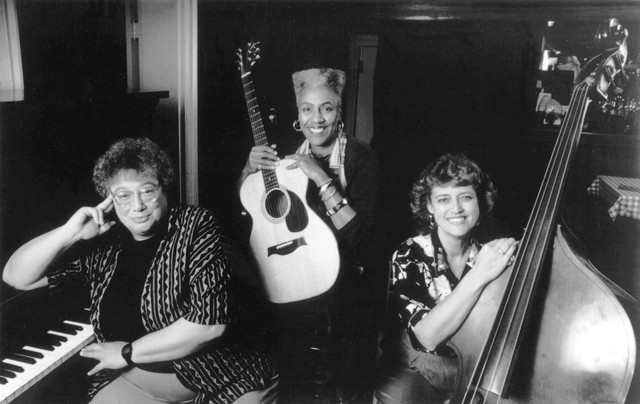
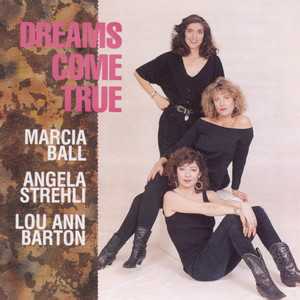
In time, Ball landed a deal with <a href="spotify:search:label%3A%22Rounder+Records%22">Rounder Records</a>, who released her second solo album, Soulful Dress, in 1983. The album connected with blues fans as Ball began winning a loyal audience though her energetic live shows, as well as her strength as a vocalist and songwriter. She regularly returned to the studio, with <a href="spotify:search:label%3A%22Rounder%22">Rounder</a> releasing 1985's Hot Tamale Baby, 1989's Gatorhythms, and 1994's Blue House. Ball also collaborated with vocalists <a href="spotify:artist:3lrwdIWcHi2VyhaiiqNw35">Angela Strehli</a> and <a href="spotify:artist:0uIrm4Ub9qBmp4t7A2Rchk">Lou Ann Barton</a> on Dreams Come True, issued in 1990 by <a href="spotify:search:label%3A%22Antone%27s+Records%22">Antone's Records</a>.
In the late '90s, Ball released her final discs under the <a href="spotify:search:label%3A%22Rounder%22">Rounder</a> banner, Let Me Play with Your Poodle (1997) and Sing It! (1998). The latter featured Ball teaming with <a href="spotify:artist:01Z8Z9K54zewyP04ZfGLSv">Irma Thomas</a> and <a href="spotify:artist:41D1NBo5Ib5aJ7Aavt3cWS">Tracy Nelson</a>, including both solo performances and combined energy. The album generated well-deserved recognition for all three women when it was nominated for both a Grammy and a W.C. Handy Blues Award as Best Contemporary Blues Album. After earning critical praise for her <a href="spotify:search:label%3A%22Rounder%22">Rounder</a> recordings, Ball signed with the well-respected blues label <a href="spotify:search:label%3A%22Alligator+Records%22">Alligator Records</a> in 2000 and released her first album for the label, Presumed Innocent, in 2001. While maintaining a busy touring schedule, playing clubs and festivals throughout the United States, Canada, and Europe, Ball still found time to visit the recording studio on a regular basis, with <a href="spotify:search:label%3A%22Alligator%22">Alligator</a> releasing So Many Rivers in 2003, the live album Down the Road in 2005, Peace, Love & BBQ in 2008, and Roadside Attractions in 2011.
For the 2014 release The Tattooed Lady and the Alligator Man, Ball brought along a few special guests, including Texas blues veteran <a href="spotify:artist:3Ri72CuuQSCLLkDRJgniFU">Delbert McClinton</a>, Cajun accordion ace <a href="spotify:artist:2pBpjXBKJtxmlzjk5OjaRi">Terrance Simien</a>, and frequent <a href="spotify:artist:5l8VQNuIg0turYE1VtM9zV">Leonard Cohen</a> collaborator <a href="spotify:artist:4ayt1WJbdKtLOPOGQSY1O5">Roscoe Beck</a>. Ball hit the road after the album's release, keeping up her typically busy touring schedule, while making guest appearances on albums by Tommy Castro & the Painkillers (2014's The Devil You Know) and <a href="spotify:artist:5vwOfZK3EWWRS8JPtuz74s">Mitch Woods</a> (2017's Friends Along the Way). Ball headed back to the studio for 2018's Shine Bright, produced by <a href="spotify:artist:6OWapcJm9xd55ci9CYbAuT">Los Lobos</a> saxman <a href="spotify:artist:6NX36J027FUE913vmbBuWl">Steve Berlin</a>. ~ Richard Skelly, Al Campbell & Mark Deming, Rovi
Ball entered Louisiana State University in the late '60s as an English major; in college, she played in the psychedelic rock & roll band Gum. In 1970, Ball and her first husband were headed west in their car to San Francisco, but the car needed repairs in Austin, Texas, where they had stopped off to visit one of their former bandmates. After experiencing some of the music, sights, and food in Austin, the two decided to stay. Ball has been based in Austin ever since. Ball landed a record deal with <a href="spotify:search:label%3A%22Capitol+Records%22">Capitol Records</a>, who issued the country-leaning Circuit Queen in 1971. The album made little commercial impact, and she soon joined Freda & the Firedogs, an outlaw country group who cut an album for <a href="spotify:search:label%3A%22Atlantic%22">Atlantic</a> in 1972 (produced by <a href="spotify:artist:67yXeG7xPSVu9PtzHJ5AS8">Jerry Wexler</a>) that went unreleased until 2002 due to contractual problems. She continued to work with the band, who issued a live album in 1979, while playing solo gigs in which she honed her signature piano style, mixing equal parts boogie-woogie with zydeco and Louisiana swamp rock.
In time, Ball landed a deal with <a href="spotify:search:label%3A%22Rounder+Records%22">Rounder Records</a>, who released her second solo album, Soulful Dress, in 1983. The album connected with blues fans as Ball began winning a loyal audience though her energetic live shows, as well as her strength as a vocalist and songwriter. She regularly returned to the studio, with <a href="spotify:search:label%3A%22Rounder%22">Rounder</a> releasing 1985's Hot Tamale Baby, 1989's Gatorhythms, and 1994's Blue House. Ball also collaborated with vocalists <a href="spotify:artist:3lrwdIWcHi2VyhaiiqNw35">Angela Strehli</a> and <a href="spotify:artist:0uIrm4Ub9qBmp4t7A2Rchk">Lou Ann Barton</a> on Dreams Come True, issued in 1990 by <a href="spotify:search:label%3A%22Antone%27s+Records%22">Antone's Records</a>.
In the late '90s, Ball released her final discs under the <a href="spotify:search:label%3A%22Rounder%22">Rounder</a> banner, Let Me Play with Your Poodle (1997) and Sing It! (1998). The latter featured Ball teaming with <a href="spotify:artist:01Z8Z9K54zewyP04ZfGLSv">Irma Thomas</a> and <a href="spotify:artist:41D1NBo5Ib5aJ7Aavt3cWS">Tracy Nelson</a>, including both solo performances and combined energy. The album generated well-deserved recognition for all three women when it was nominated for both a Grammy and a W.C. Handy Blues Award as Best Contemporary Blues Album. After earning critical praise for her <a href="spotify:search:label%3A%22Rounder%22">Rounder</a> recordings, Ball signed with the well-respected blues label <a href="spotify:search:label%3A%22Alligator+Records%22">Alligator Records</a> in 2000 and released her first album for the label, Presumed Innocent, in 2001. While maintaining a busy touring schedule, playing clubs and festivals throughout the United States, Canada, and Europe, Ball still found time to visit the recording studio on a regular basis, with <a href="spotify:search:label%3A%22Alligator%22">Alligator</a> releasing So Many Rivers in 2003, the live album Down the Road in 2005, Peace, Love & BBQ in 2008, and Roadside Attractions in 2011.
For the 2014 release The Tattooed Lady and the Alligator Man, Ball brought along a few special guests, including Texas blues veteran <a href="spotify:artist:3Ri72CuuQSCLLkDRJgniFU">Delbert McClinton</a>, Cajun accordion ace <a href="spotify:artist:2pBpjXBKJtxmlzjk5OjaRi">Terrance Simien</a>, and frequent <a href="spotify:artist:5l8VQNuIg0turYE1VtM9zV">Leonard Cohen</a> collaborator <a href="spotify:artist:4ayt1WJbdKtLOPOGQSY1O5">Roscoe Beck</a>. Ball hit the road after the album's release, keeping up her typically busy touring schedule, while making guest appearances on albums by Tommy Castro & the Painkillers (2014's The Devil You Know) and <a href="spotify:artist:5vwOfZK3EWWRS8JPtuz74s">Mitch Woods</a> (2017's Friends Along the Way). Ball headed back to the studio for 2018's Shine Bright, produced by <a href="spotify:artist:6OWapcJm9xd55ci9CYbAuT">Los Lobos</a> saxman <a href="spotify:artist:6NX36J027FUE913vmbBuWl">Steve Berlin</a>. ~ Richard Skelly, Al Campbell & Mark Deming, Rovi
Monthly Listeners
75,313
Monthly Listeners History
Track the evolution of monthly listeners over the last 28 days.
Followers
23,502
Followers History
Track the evolution of followers over the last 28 days.