Genre
catholic music
Top Catholic music Artists
Showing 25 of 71 artists








About Catholic music
Catholic music is a broad umbrella that covers sacred music written for and used in the Catholic Church, from the earliest chant traditions to contemporary parish hymnody and concert works by Catholic composers. Its central purpose is liturgical worship, but its reach extends into devotion, education, and concert repertoire. Texts are often Latin in the liturgy, with vernacular options expanding after the Second Vatican Council, and the music ranges from intimate plainsong to grand choral-orchestral settings.
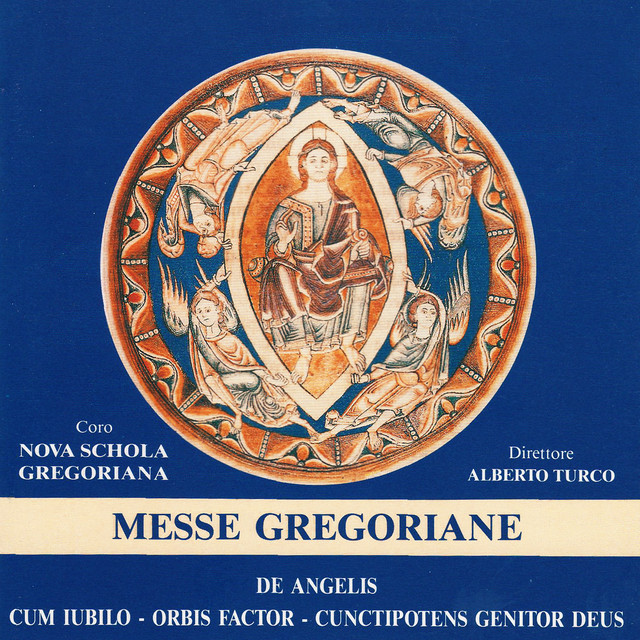
The roots lie in the medieval church’s chant traditions. Gregorian chant, traditionally linked to Pope Gregory I, crystallized in the 9th and 10th centuries and became the standard language of the Roman Rite. Its monophonic melodies set the template for prayerful singing in churches and monasteries across Europe. As polyphony emerged in the Renaissance, Catholic composers crafted intricate, multi-voiced settings that still served liturgical purposes. Giovanni Pierluigi da Palestrina is often cited as the quintessential Catholic polyphony composer; his Missa Papae Marcelli and other masses helped define a style deemed appropriate for worship during the post-Tridentine era. Likewise, Tomás Luis de Victoria, Orlande de Lassus, and later Giovanni Gabrieli expanded the sacred repertoire with rich textures for choirs and ensembles. The Baroque period added composers like Antonio Vivaldi, who wrote numerous sacred works and a beloved Gloria, and Giovanni Battista Pergolesi, whose Stabat Mater remains a touchstone of Catholic sacred music.
The 19th and 20th centuries saw both continuity and reform. The intelligibility and sacred function of music were tested during the Council of Trent era, guiding a clear, reverent approach that influenced generations of composers. In the Romantic era, large-scale Masses by Anton Bruckner and others kept Catholic liturgy at the center of concert life and church practice. The monastic revival of Gregorian chant in the 19th century—championed by Solesmes and other centers—helped standardize chant performance for modern churches. Vatican II in the 1960s opened liturgy to vernacular languages and invited new musical languages while preserving the sacred core, giving parish musicians more freedom to express faith through contemporary idioms alongside traditional settings.
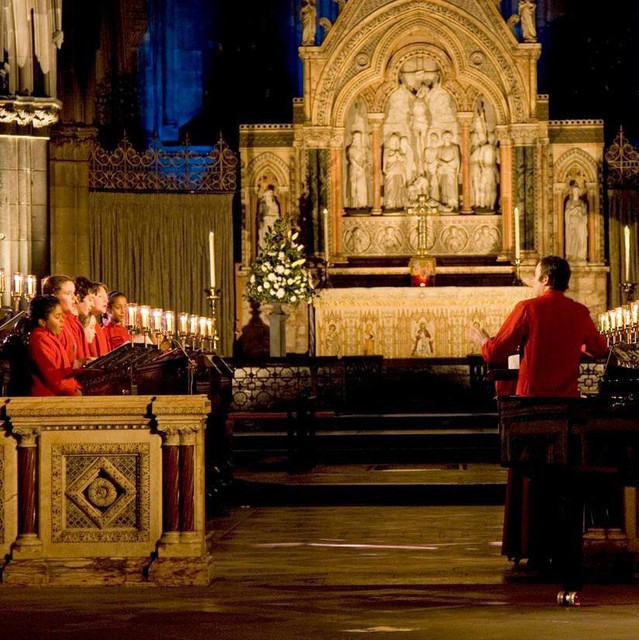
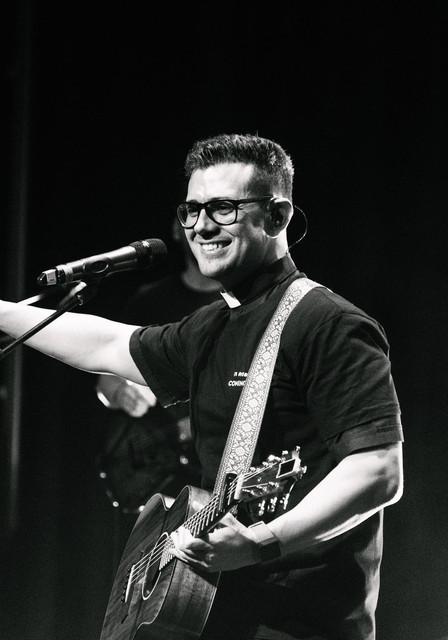
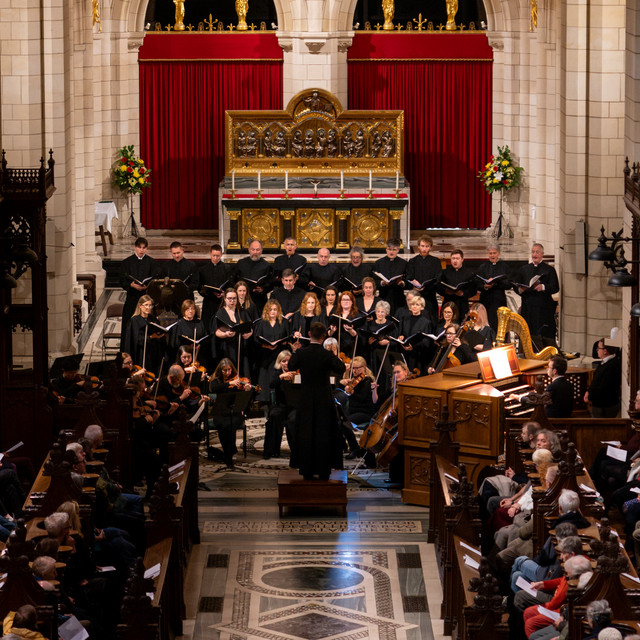
Today’s Catholic music encompasses a vibrant spectrum. In parishes around the world, modern hymn writers and worship leaders create catchy, congregational songs that fuse traditional sanctuary textures with contemporary pop, folk, or gospel influences. Notable modern ambassadors include Matt Maher, an American Catholic singer-songwriter whose songs are widely used in liturgy; Dan Schutte, known for Be Not Afraid and Here I Am, Lord, and other composers whose work anchors many worship communities. There is also a robust concert tradition in Catholic settings, with choirs, cathedral ensembles, and priests who compose and conduct sacred works that reach beyond the pews.
Geographically, Catholic music is most deeply rooted in Catholic-majority regions: Italy, Poland, Spain, Portugal, Ireland, and France in Europe; Brazil, Mexico, Argentina, Chile, and Peru in Latin America; the Philippines in Asia; and widespread communities across Africa and North America. In each, the balance between traditional liturgical music and contemporary worship reflects local culture while keeping the Catholic liturgical and devotional texts at its heart. For enthusiasts, Catholic music offers a long historical arc—from chant and polyphony to current parish-guitar combos—showing how faith, art, and community continually shape one of Western music’s enduring languages.
The roots lie in the medieval church’s chant traditions. Gregorian chant, traditionally linked to Pope Gregory I, crystallized in the 9th and 10th centuries and became the standard language of the Roman Rite. Its monophonic melodies set the template for prayerful singing in churches and monasteries across Europe. As polyphony emerged in the Renaissance, Catholic composers crafted intricate, multi-voiced settings that still served liturgical purposes. Giovanni Pierluigi da Palestrina is often cited as the quintessential Catholic polyphony composer; his Missa Papae Marcelli and other masses helped define a style deemed appropriate for worship during the post-Tridentine era. Likewise, Tomás Luis de Victoria, Orlande de Lassus, and later Giovanni Gabrieli expanded the sacred repertoire with rich textures for choirs and ensembles. The Baroque period added composers like Antonio Vivaldi, who wrote numerous sacred works and a beloved Gloria, and Giovanni Battista Pergolesi, whose Stabat Mater remains a touchstone of Catholic sacred music.
The 19th and 20th centuries saw both continuity and reform. The intelligibility and sacred function of music were tested during the Council of Trent era, guiding a clear, reverent approach that influenced generations of composers. In the Romantic era, large-scale Masses by Anton Bruckner and others kept Catholic liturgy at the center of concert life and church practice. The monastic revival of Gregorian chant in the 19th century—championed by Solesmes and other centers—helped standardize chant performance for modern churches. Vatican II in the 1960s opened liturgy to vernacular languages and invited new musical languages while preserving the sacred core, giving parish musicians more freedom to express faith through contemporary idioms alongside traditional settings.
Today’s Catholic music encompasses a vibrant spectrum. In parishes around the world, modern hymn writers and worship leaders create catchy, congregational songs that fuse traditional sanctuary textures with contemporary pop, folk, or gospel influences. Notable modern ambassadors include Matt Maher, an American Catholic singer-songwriter whose songs are widely used in liturgy; Dan Schutte, known for Be Not Afraid and Here I Am, Lord, and other composers whose work anchors many worship communities. There is also a robust concert tradition in Catholic settings, with choirs, cathedral ensembles, and priests who compose and conduct sacred works that reach beyond the pews.
Geographically, Catholic music is most deeply rooted in Catholic-majority regions: Italy, Poland, Spain, Portugal, Ireland, and France in Europe; Brazil, Mexico, Argentina, Chile, and Peru in Latin America; the Philippines in Asia; and widespread communities across Africa and North America. In each, the balance between traditional liturgical music and contemporary worship reflects local culture while keeping the Catholic liturgical and devotional texts at its heart. For enthusiasts, Catholic music offers a long historical arc—from chant and polyphony to current parish-guitar combos—showing how faith, art, and community continually shape one of Western music’s enduring languages.