Data may be outdated
Last updated: 1 month ago — Click refresh to get the latest statistics.
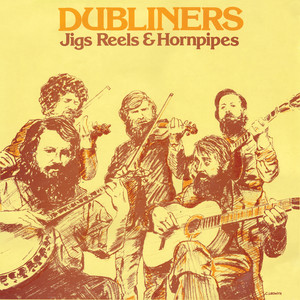
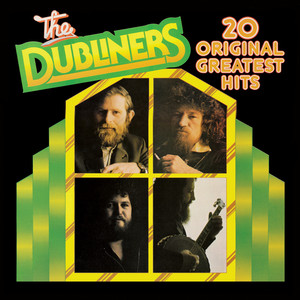
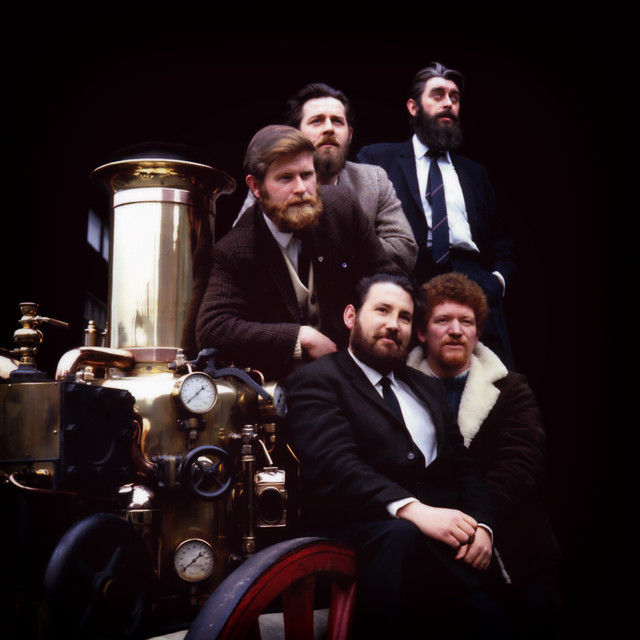
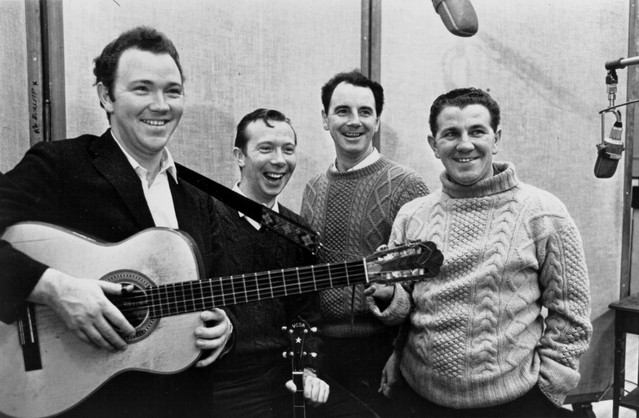
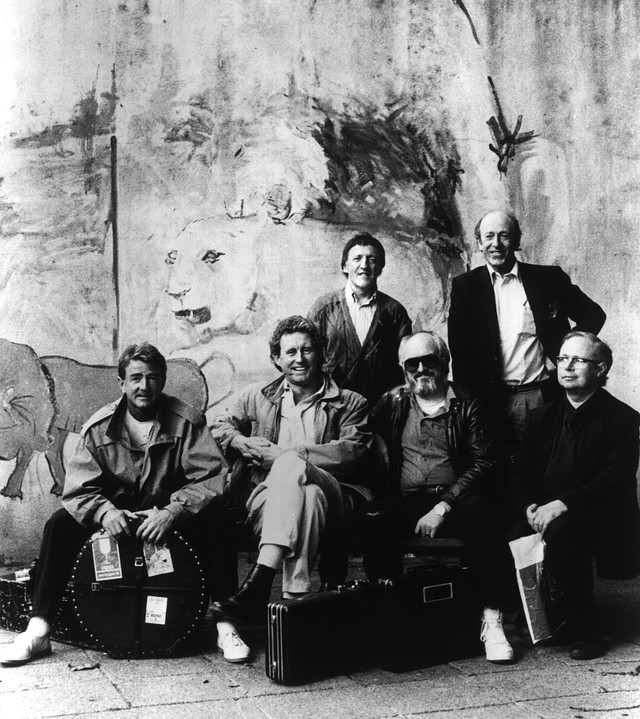
Initially known as <a href="spotify:artist:06Iyp8QTMuoS38jjgMYFx2">the Ronnie Drew Folk group</a>, the Dubliners have gone through several personnel changes since they were formed in 1962. The original group featured <a href="spotify:artist:06Iyp8QTMuoS38jjgMYFx2">Ronnie Drew</a> on vocals and guitar, <a href="spotify:artist:2ZYIql5vmxtz3LbDLIaWo9">Luke Kelly</a> on vocals and five-string banjo, Barney McKenna on tenor banjo, mandolin, melodeon, and vocals and Ciaren Bourke on vocals, guitar, tin whistle, and harmonica.The first change occurred in 1964 when <a href="spotify:artist:0lYNzv04MrvvI61e7uMgeV">Kelly</a> left temporarily and Bobby Lynch (vocals and guitar) and John Sheahan (fiddle, tin whistle, mandolin, concertina, guitar, and vocals) were added. The following year, <a href="spotify:artist:0lYNzv04MrvvI61e7uMgeV">Kelly</a> returned and Lynch departed.
The Dubliners' earliest recordings included appearances on multi-artist compilations The Hoot'nanny Show and Folk Festival: Festival Folk, released in 1964. Their first break came when they met Nathan Joseph, owner of <a href="spotify:search:label%3A%22Transatlantic+Records%22">Transatlantic Records</a>, at the Edinburgh Festival in 1963. Signing with <a href="spotify:artist:50nfTKMhO3t1iZmlYshmtn">Joseph</a>'s label, the group released their debut full-length album, The Dubliners, later the same year.
In 1967, the Dubliners recorded their breakthrough single, "Seven Drunken Nights," based on Child Ballad number 273. Although its risque lyrics caused it to be banned from officially sanctioned radio stations, it became a Top Five hit after being aired by pirate radio station, <a href="spotify:search:label%3A%22RTE%22">RTE</a>. With the song's success, the band began touring throughout the world. In the early '70s, the Dubliners toured in a production of Brendan Behan's Cork Leg.
A second phase of personnel changes began in 1974 when Bourke suffered a brain hemorrhage during a show. Although he subsequently appeared to have recuperated and rejoined the group, he collapsed again on the stage and left for good. He died on May 10, 1988 at the age of 53. Following Bourke's first departure, <a href="spotify:artist:06Iyp8QTMuoS38jjgMYFx2">Ronnie Drew</a> left to pursue a solo career and was replaced by <a href="spotify:artist:2JubMFXFD0c3Ofhx6SdSOy">Jim McCann</a>. With <a href="spotify:artist:65uKPt40QH8dMBLuoJHPVY">Drew</a>'s return five years later, <a href="spotify:artist:2JubMFXFD0c3Ofhx6SdSOy">McCann</a> departed. The group's problems, however, were not over. In the same year, <a href="spotify:artist:0lYNzv04MrvvI61e7uMgeV">Kelly</a> collapsed from a brain tumor during a concert and was required to undergo several surgical operations. He died on January 30, 1984, at the age of 44. Seán Cannon was drafted into the line-up at this time.
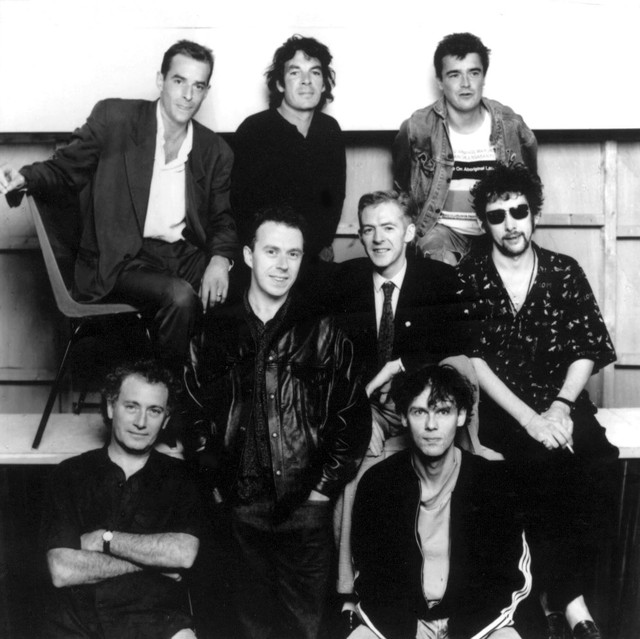
In 1987, the Dubliners regained their earlier popularity when Eamonn Campbell, who had often been a guest musician on their albums, produced an album, Celebration, featuring a collaboration with <a href="spotify:artist:2wzMOQwNT6ZvVB4amvhFAH">the Pogues</a> on an updated version of the traditional folk song "The Irish Rover." Released as a single, the tune reached number seven on the British music charts. <a href="spotify:artist:5FhVnyPs1wSLjkZk4mU69M">Campbell</a> subsequently joined the band as a regular member. In 1990, the Dubliners and the <a href="spotify:artist:2wzMOQwNT6ZvVB4amvhFAH">Pogues</a> reunited for a single, "Jack's Heroes"/"Whiskey in the Jar," that celebrated Ireland's quarter-final finish at the World Cup. Two years later, the Dubliners joined with <a href="spotify:artist:2szQRWh2F0RUs9bkbepwok">Hothouse Flowers</a> to record a single, "The Rose," that reached number two on the British music charts. 30 Years A'Greying, released the same year, featured collaborations with <a href="spotify:artist:1kcWyDvrlPUbyxkIoM6pAV">Rory Gallagher</a>, <a href="spotify:artist:7ubX7CBZbkPM3O1m2WBBd8">Billy Connolly</a>, and <a href="spotify:artist:09RBtr6JUJprt2li2NsdU8">De Danaan</a>. In December 1995, <a href="spotify:artist:65uKPt40QH8dMBLuoJHPVY">Drew</a> left the band for the second time and was replaced by <a href="spotify:artist:1XIifqPXfWSoTQfrcuXXtX">Paddy Reilly</a>. Despite the changes in the band's lineup, they continued to perform and record their gutsy style of Irish music. In April 2012, Barney McKenna died at age 72 in his home in Howth, County Dublin; he was the last surviving original member of the Dubliners. Eamonn Campbell died at age 70 in October 2017 after falling ill on tour with <a href="spotify:artist:0drShGBo03TrffMqvlvDkO">the Dublin Legends</a> in the Netherlands. ~ Craig Harris, Rovi
Monthly Listeners
977,010
Monthly Listeners History
Track the evolution of monthly listeners over the last 28 days.
Followers
465,600
Followers History
Track the evolution of followers over the last 28 days.
Total Streams
869.3 million
Total Streams History
Track the evolution of total streams over the last 28 days. This data is calculated from all tracks listed in the artist's discography.
Top Cities


Related Artists



Irish Lads Of Limerick
The Highstool Prophets


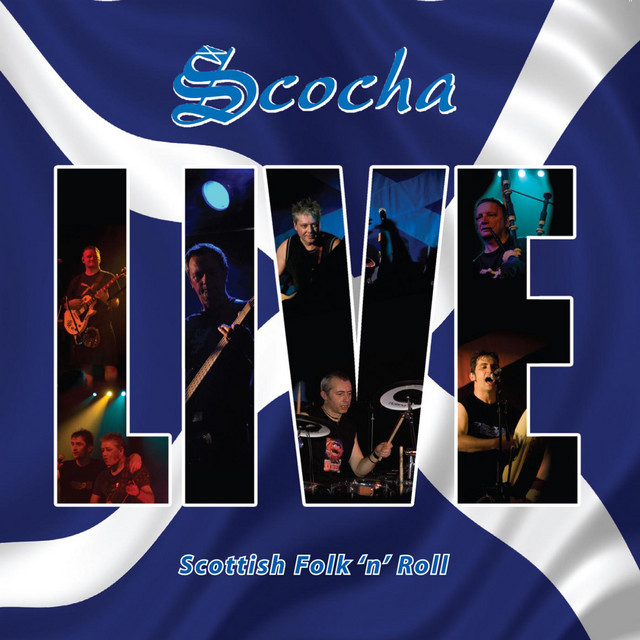
Scocha
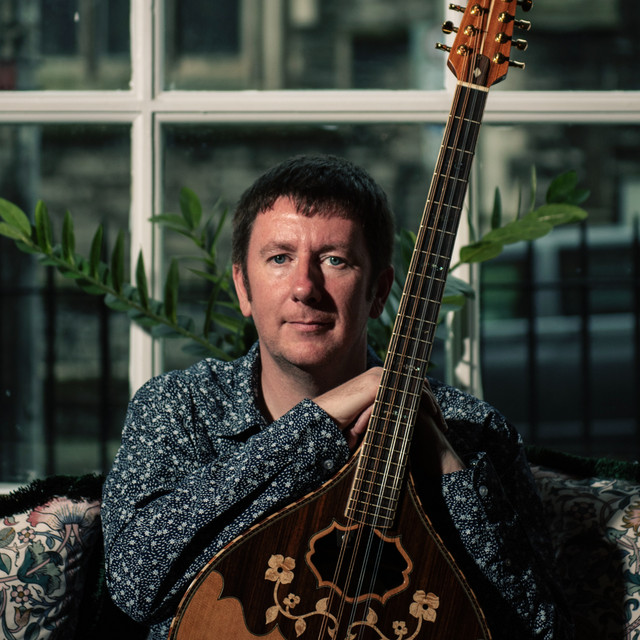
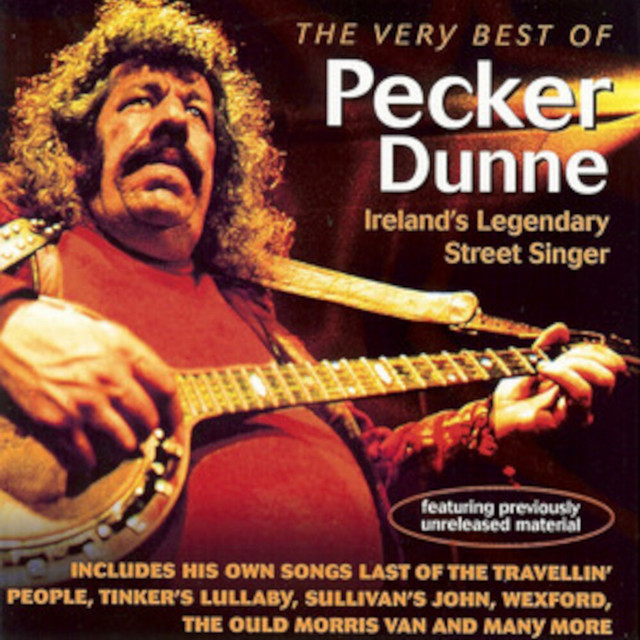
Pecker Dunne