Genre
chill r&b
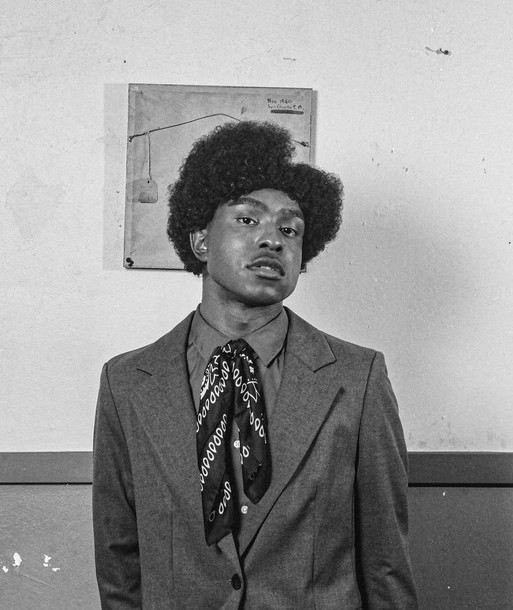
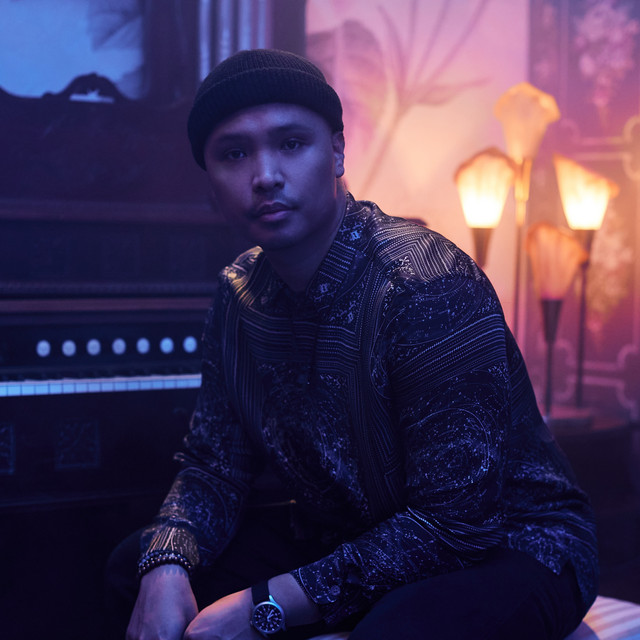
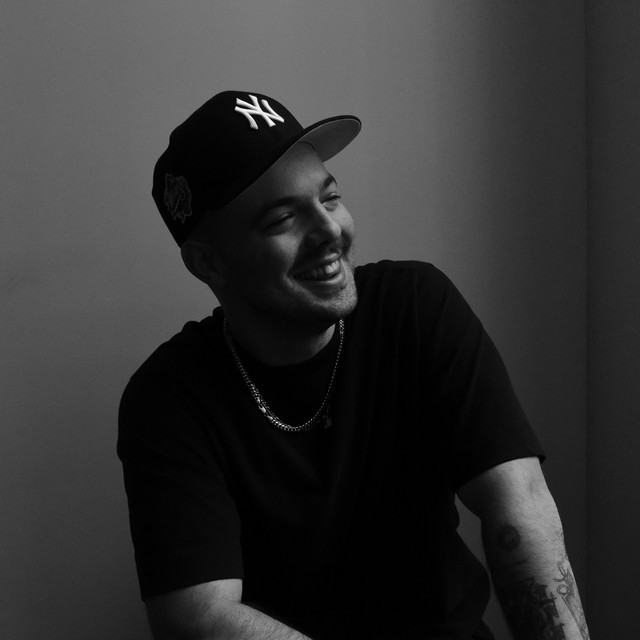
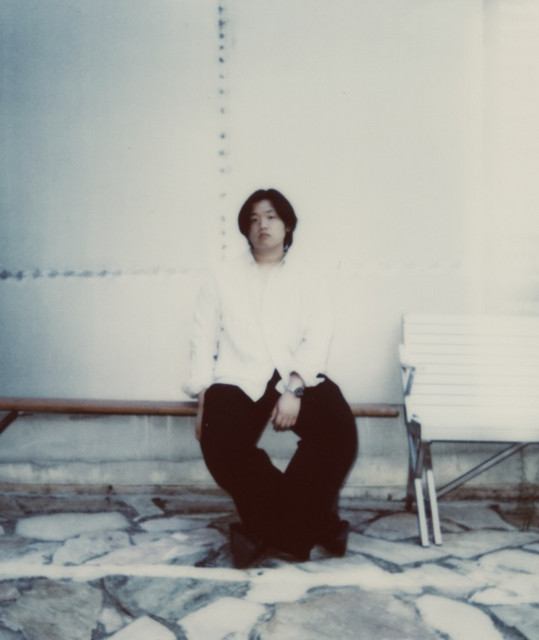
Top Chill r&b Artists
Showing 25 of 119 artists







About Chill r&b
Chill R&B is a late-2000s to early-2010s evolution of rhythm and blues that foregrounds atmosphere, warmth, and intimate vocal delivery. It tends to sit on the slower side of the tempo spectrum, often 60–90 BPM, with lush chord progressions, airy synths, soft guitar textures, and generous use of reverb. The result is a mood that feels like a late-night conversation, a candle-lit drive, or a quiet moment of reflection. It isn’t about brawn or flash; it’s about mood, nuance, and the way silence can carry emotion as much as sound does.
The genre grew out of the broader wave of alternative R&B and neo-soul that rose alongside streaming culture. Artists and producers began crafting records in home studios, blending classic soul and gospel influences with modern electronics and lo-fi textures. A pivotal moment came with The Weeknd’s early 2011 mix-tapes, particularly House of Balloons, which fused seductive melodies, moody atmospherics, and unapologetic vulnerability. Frank Ocean followed with Channel Orange (2012) and later Blonde (2016), expanding harmonic sophistication, unconventional song structures, and a sense of dreamy dissociation that became a hallmark of the chill R&B voice. Miguel’s Kaleidoscope Dream (2012) helped bridge funk-infused sensuality with pillow-soft production, while Jhene Aiko’s Sail Out (2013) and subsequent releases spotlighted hushed confidences and meditative tempos.
As the sound matured, other artists helped define the spectrum. Bryson Tiller’s Trap Soul (2015) introduced a hip-hop-tinged backbone that many listeners associate with contemporary chill R&B, even as the mood remained tethered to introspection and restraint. SZA’s Ctrl (2017) and Daniel Caesar’s Freudian (2017) pushed the form toward deeper lyricism, richer harmonic color, and a more expansive modal palette. In the UK and Europe, artists like James Blake, Jorja Smith, and NAO brought a similarly contemplative depth, while the scene in Canada and beyond absorbed these influences and added its own regional flavors. Today, chill R&B has become a global idiom, animated by a broad network of producers and vocalists who value texture, restraint, and mood over hype.
Geographically, the core remains the United States, but the genre has found thriving scenes in the United Kingdom, Canada, France, Germany, and across Asia-Pacific. Japanese and Korean listeners, in particular, have embraced the gentler, more introspective side of R&B, often blending it with indie and electronic sensibilities. Streaming platforms have further accelerated its reach, with curated playlists and algorithmic recommendations introducing new voices from Nairobi to Melbourne to Montreal.
Listening contexts matter: late-night headphones, dim cafés, quiet commutes, or a reflective home studio session. Chill R&B lends itself to immersion rather than conquest—an invitation to linger on a chord, a vocal inflection, or a single breath before the next line. It’s a genre defined as much by what it withdraws as by what it adds: space, texture, and the humane softness of a voice allowed to breathe.
The genre grew out of the broader wave of alternative R&B and neo-soul that rose alongside streaming culture. Artists and producers began crafting records in home studios, blending classic soul and gospel influences with modern electronics and lo-fi textures. A pivotal moment came with The Weeknd’s early 2011 mix-tapes, particularly House of Balloons, which fused seductive melodies, moody atmospherics, and unapologetic vulnerability. Frank Ocean followed with Channel Orange (2012) and later Blonde (2016), expanding harmonic sophistication, unconventional song structures, and a sense of dreamy dissociation that became a hallmark of the chill R&B voice. Miguel’s Kaleidoscope Dream (2012) helped bridge funk-infused sensuality with pillow-soft production, while Jhene Aiko’s Sail Out (2013) and subsequent releases spotlighted hushed confidences and meditative tempos.
As the sound matured, other artists helped define the spectrum. Bryson Tiller’s Trap Soul (2015) introduced a hip-hop-tinged backbone that many listeners associate with contemporary chill R&B, even as the mood remained tethered to introspection and restraint. SZA’s Ctrl (2017) and Daniel Caesar’s Freudian (2017) pushed the form toward deeper lyricism, richer harmonic color, and a more expansive modal palette. In the UK and Europe, artists like James Blake, Jorja Smith, and NAO brought a similarly contemplative depth, while the scene in Canada and beyond absorbed these influences and added its own regional flavors. Today, chill R&B has become a global idiom, animated by a broad network of producers and vocalists who value texture, restraint, and mood over hype.
Geographically, the core remains the United States, but the genre has found thriving scenes in the United Kingdom, Canada, France, Germany, and across Asia-Pacific. Japanese and Korean listeners, in particular, have embraced the gentler, more introspective side of R&B, often blending it with indie and electronic sensibilities. Streaming platforms have further accelerated its reach, with curated playlists and algorithmic recommendations introducing new voices from Nairobi to Melbourne to Montreal.
Listening contexts matter: late-night headphones, dim cafés, quiet commutes, or a reflective home studio session. Chill R&B lends itself to immersion rather than conquest—an invitation to linger on a chord, a vocal inflection, or a single breath before the next line. It’s a genre defined as much by what it withdraws as by what it adds: space, texture, and the humane softness of a voice allowed to breathe.