Genre
chinese hip hop
Top Chinese hip hop Artists
Showing 25 of 2,158 artists


5

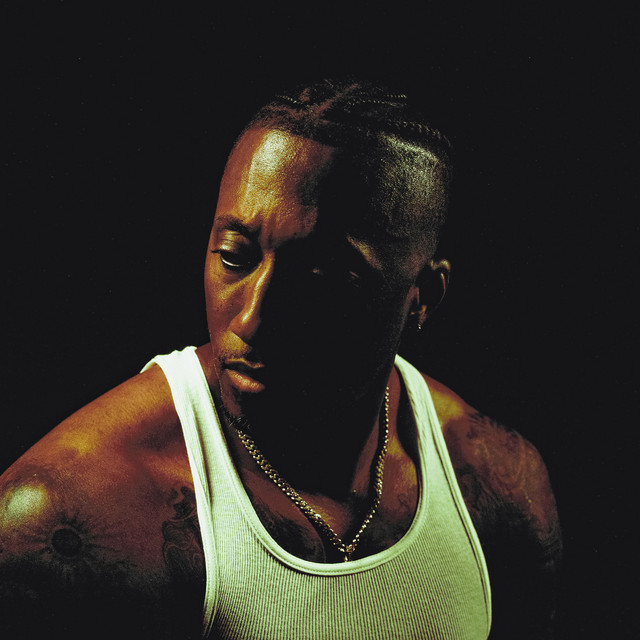
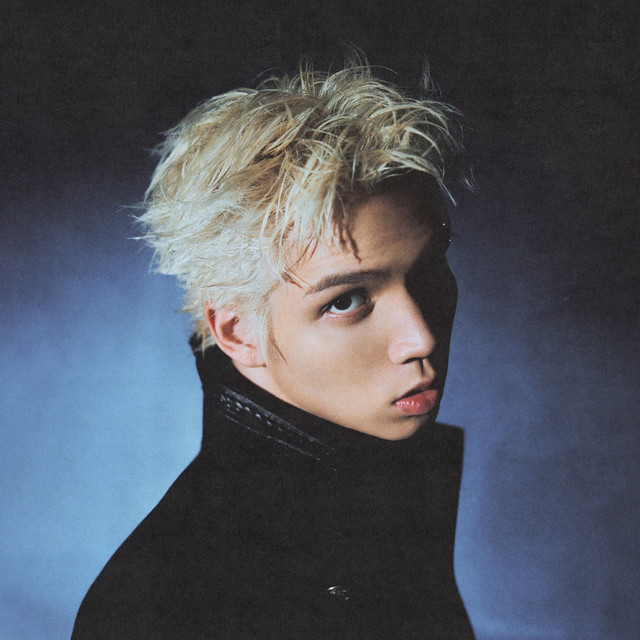
隊長
285,596
938,416 listeners









20
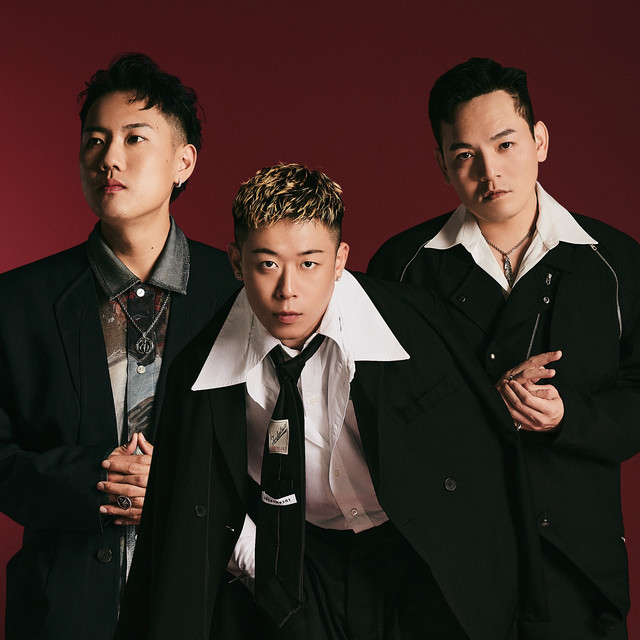
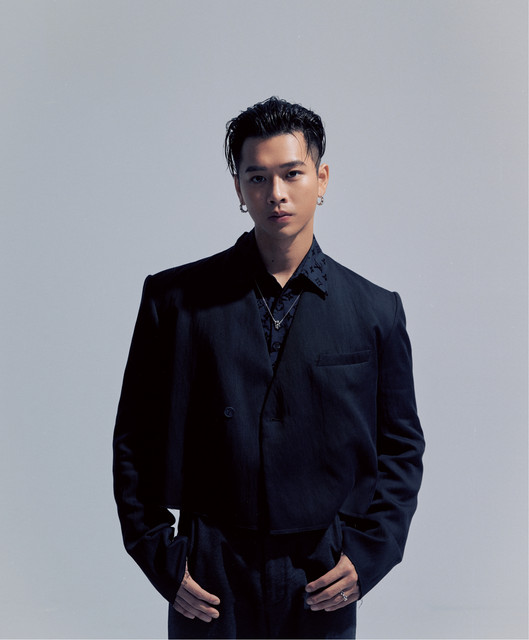
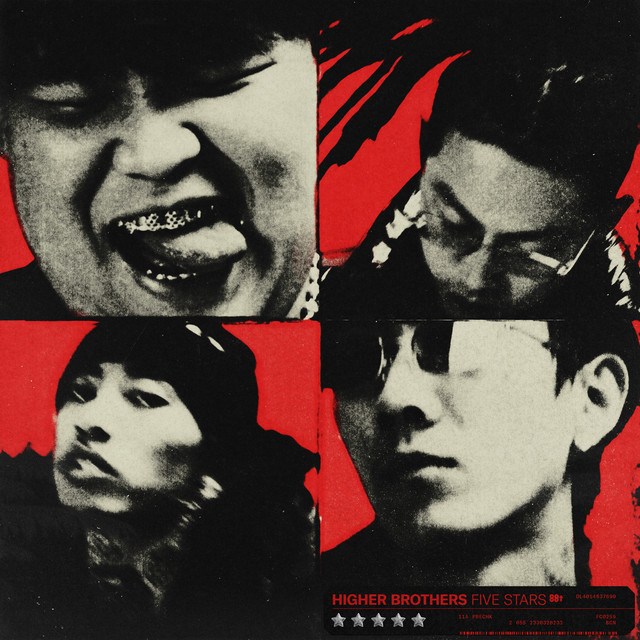
玖壹壹
Taiwan
386,881
459,075 listeners


About Chinese hip hop
Chinese hip hop is a vibrant, evolving scene that sits at the crossroads of street culture, Mandarin and Cantonese lyricism, and global beat-making. It isn’t confined to one country or language: it thrives in Mainland China, Taiwan, Hong Kong, and among Chinese-speaking communities abroad, from Singapore to Vancouver, Sydney to New York. The genre now feels global, even as its root materials are very local—city slang, social critique, and the pulse of urban life in would-be megacities.
Origins and evolution
Chinese hip hop took shape in the late 1990s and early 2000s, when underground crews in Beijing, Shanghai, Guangzhou and beyond began to experiment with American rap templates, while decoding them through Chinese slang and melody. Early artists built a DIY culture—battle freestyle, independent labels, and small gigs—that allowed the sound to spread despite limited mainstream platforms. Over the 2010s, Production networks, online streaming, and cross-cultural collaborations broadened its reach. The genre gained legit mainstream visibility with reality shows like The Rap of China (中国有嘻哈) around 2017, which introduced a broad audience to Chinese rappers and helped propel a new generation of ambassadors onto the world stage.
Ambassadors and key voices
Several artists stand out as champions and shapers of the scene. GAI (from Chengdu) and PG One (Beijing) became household names after their high-profile appearances on The Rap of China, signaling that Chinese hip hop could anchor a national audience. The Higher Brothers, a group from Chengdu, became one of the first acts to break through internationally, aided by 88rising, and they helped map the sound for a global audience—characterized by rapid flows, bilingual lines, trap-influenced beats, and a willingness to merge Chinese musical sensibilities with global hip hop aesthetics. Lexie Liu has emerged as a standout solo artist, blending rapped verses with melodic hooks and collaborating with artists across the 88rising network. VAVA, one of China’s prominent female voices, has pushed the space for women in Chinese rap with bold, direct storytelling and a strong stage presence. In the broader diaspora, MC Jin helped open Western audience doors for Chinese-language rap, underscoring the international potential of Chinese hip hop.
Sound, language, and culture
Musically, Chinese hip hop often mingles Mandarin or Cantonese with confident, melodic cadences, and it has absorbed trap, drill, boom-bap, and R&B textures. Lyrically, it ranges from party brags to social commentary, local slang to global references—reflecting China’s rapid urbanization, youth culture, and the tensions of tradition and modernity. The visuals—fashion, dance, and street-art aesthetics—also travel across borders, making the genre’s identity as much about mood and image as about a cadence or a beat.
Where it’s popular
In China, the scene commands a huge domestic audience, aided by streaming platforms and live events. It’s also strong in Taiwan and Hong Kong, and it resonates with Chinese-speaking youth across Southeast Asia and the global Chinese diaspora. Beyond language borders, collaborations and producer networks—especially through platforms like 88rising—help Chinese hip hop reach listeners in the United States, Europe, and Australia, where curiosity about non-English rap grows.
In short, Chinese hip hop is a local movement with global aspirations, continually redefining what Chinese language urban music can sound like, while inviting listeners to hear a nation’s lived experience through rhythm, rhyme, and resonance.
Origins and evolution
Chinese hip hop took shape in the late 1990s and early 2000s, when underground crews in Beijing, Shanghai, Guangzhou and beyond began to experiment with American rap templates, while decoding them through Chinese slang and melody. Early artists built a DIY culture—battle freestyle, independent labels, and small gigs—that allowed the sound to spread despite limited mainstream platforms. Over the 2010s, Production networks, online streaming, and cross-cultural collaborations broadened its reach. The genre gained legit mainstream visibility with reality shows like The Rap of China (中国有嘻哈) around 2017, which introduced a broad audience to Chinese rappers and helped propel a new generation of ambassadors onto the world stage.
Ambassadors and key voices
Several artists stand out as champions and shapers of the scene. GAI (from Chengdu) and PG One (Beijing) became household names after their high-profile appearances on The Rap of China, signaling that Chinese hip hop could anchor a national audience. The Higher Brothers, a group from Chengdu, became one of the first acts to break through internationally, aided by 88rising, and they helped map the sound for a global audience—characterized by rapid flows, bilingual lines, trap-influenced beats, and a willingness to merge Chinese musical sensibilities with global hip hop aesthetics. Lexie Liu has emerged as a standout solo artist, blending rapped verses with melodic hooks and collaborating with artists across the 88rising network. VAVA, one of China’s prominent female voices, has pushed the space for women in Chinese rap with bold, direct storytelling and a strong stage presence. In the broader diaspora, MC Jin helped open Western audience doors for Chinese-language rap, underscoring the international potential of Chinese hip hop.
Sound, language, and culture
Musically, Chinese hip hop often mingles Mandarin or Cantonese with confident, melodic cadences, and it has absorbed trap, drill, boom-bap, and R&B textures. Lyrically, it ranges from party brags to social commentary, local slang to global references—reflecting China’s rapid urbanization, youth culture, and the tensions of tradition and modernity. The visuals—fashion, dance, and street-art aesthetics—also travel across borders, making the genre’s identity as much about mood and image as about a cadence or a beat.
Where it’s popular
In China, the scene commands a huge domestic audience, aided by streaming platforms and live events. It’s also strong in Taiwan and Hong Kong, and it resonates with Chinese-speaking youth across Southeast Asia and the global Chinese diaspora. Beyond language borders, collaborations and producer networks—especially through platforms like 88rising—help Chinese hip hop reach listeners in the United States, Europe, and Australia, where curiosity about non-English rap grows.
In short, Chinese hip hop is a local movement with global aspirations, continually redefining what Chinese language urban music can sound like, while inviting listeners to hear a nation’s lived experience through rhythm, rhyme, and resonance.