Genre
chinese indie
Top Chinese indie Artists
Showing 25 of 1,221 artists
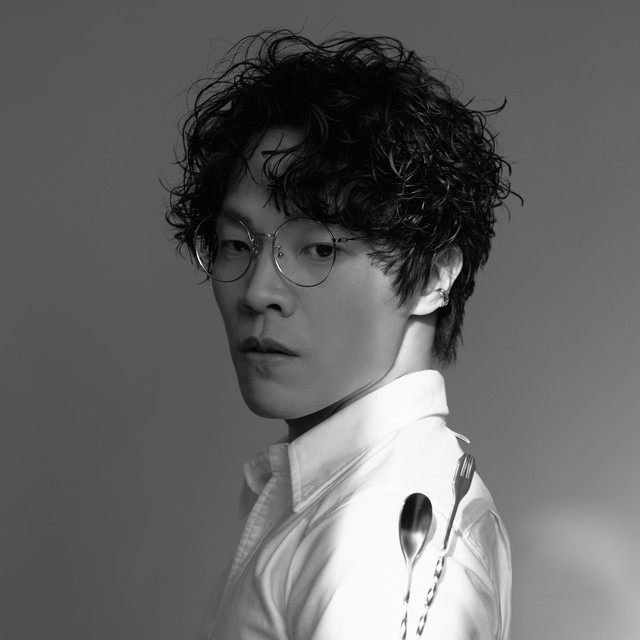
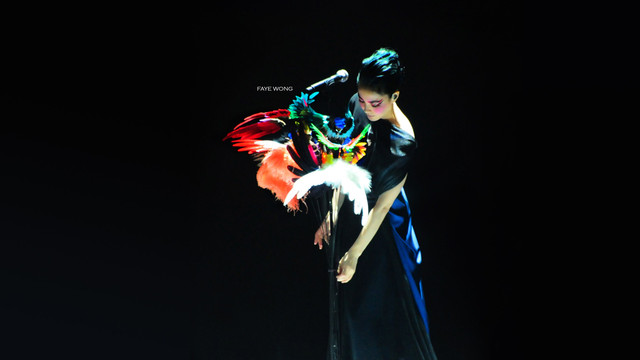
3
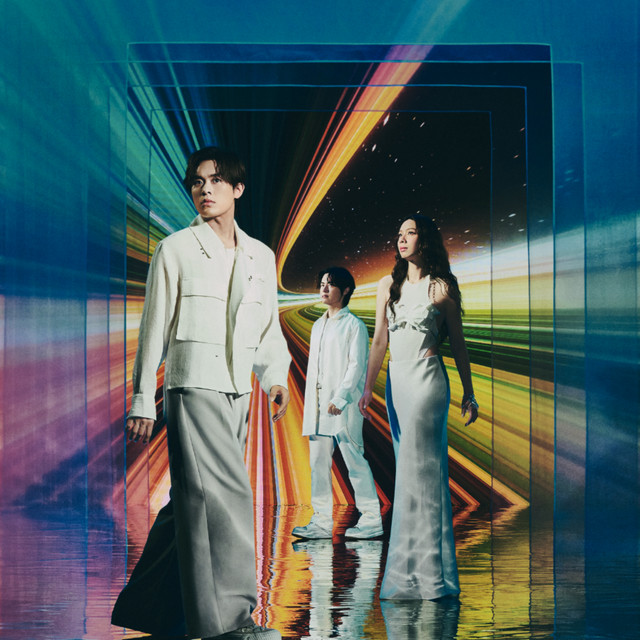
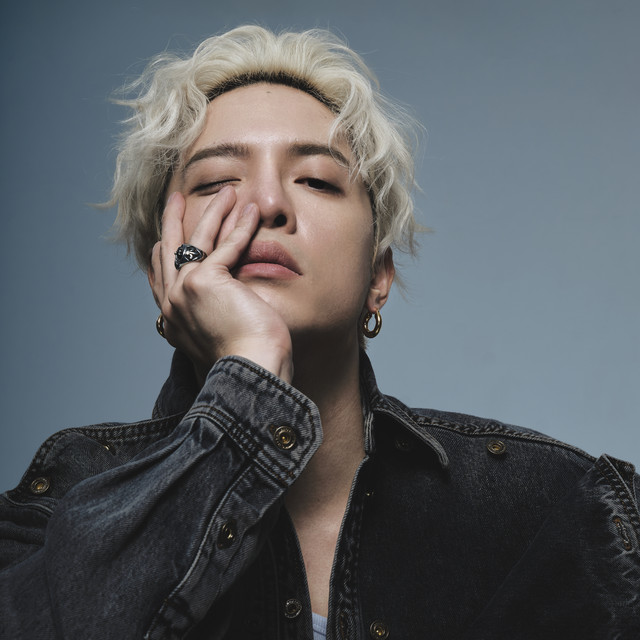
告五人
Taiwan
1.3 million
1.1 million listeners

5
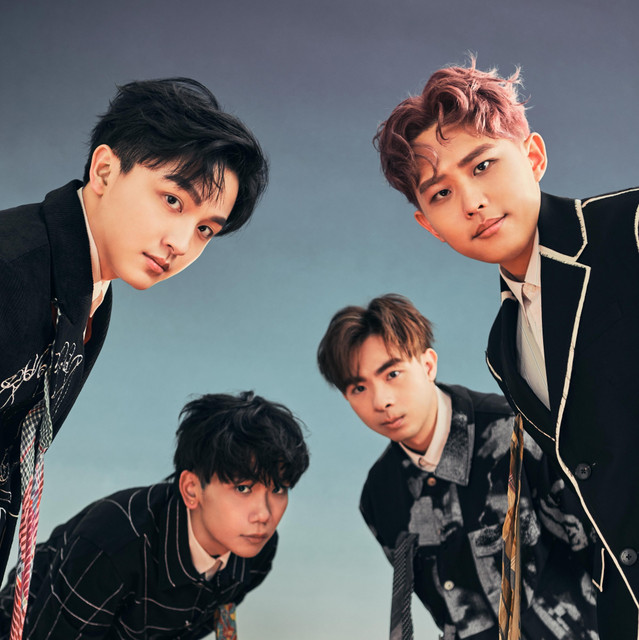
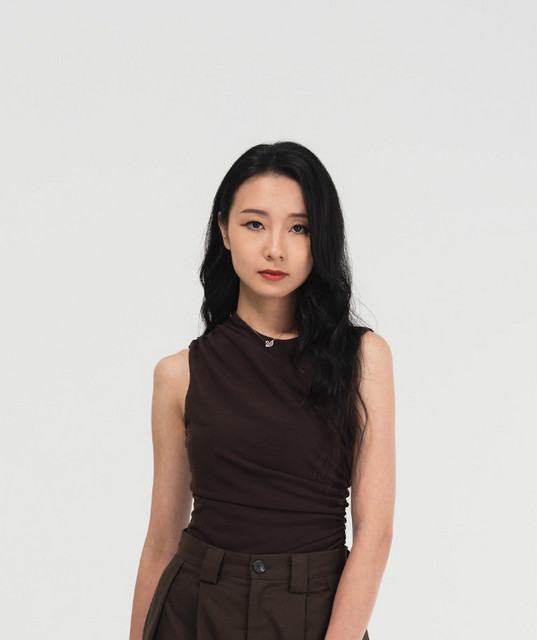
理想混蛋
259,027
979,488 listeners
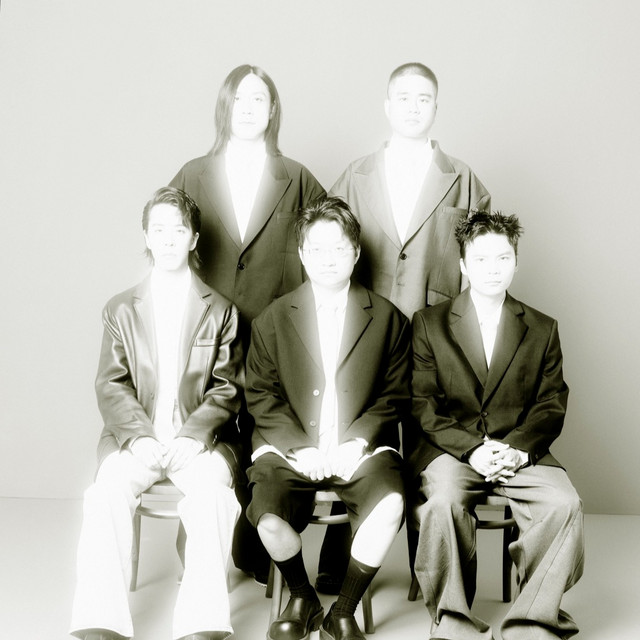
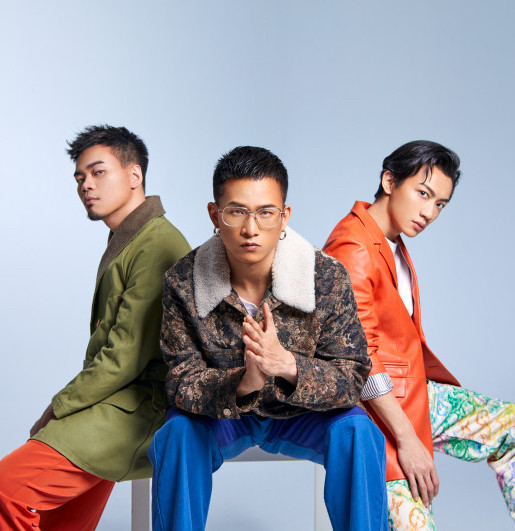
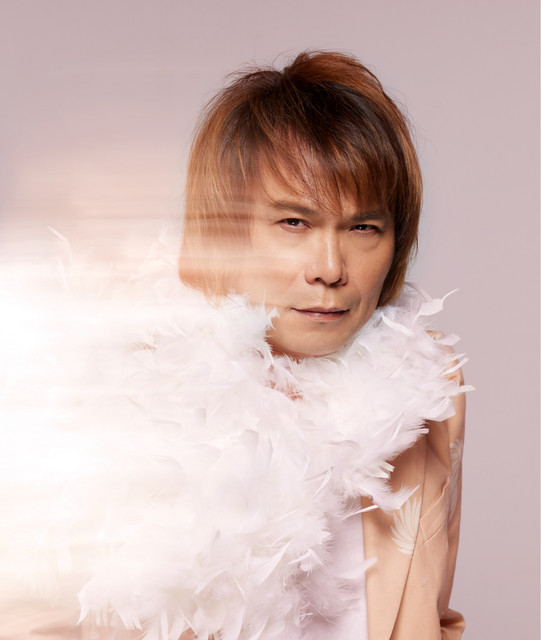


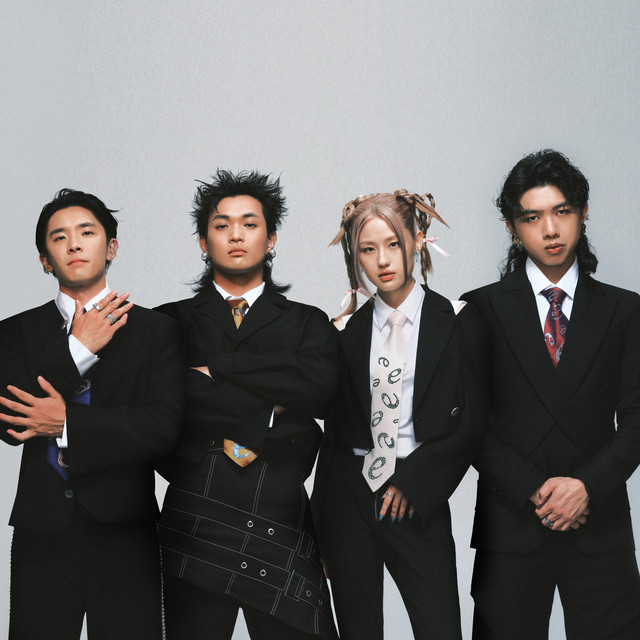
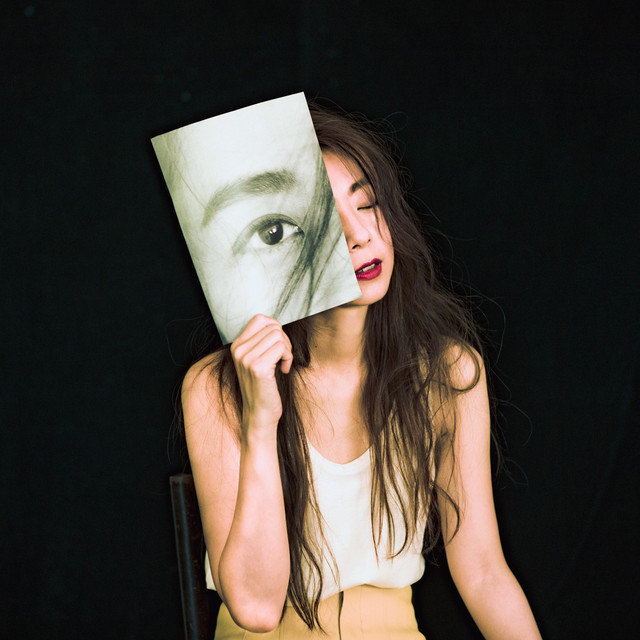
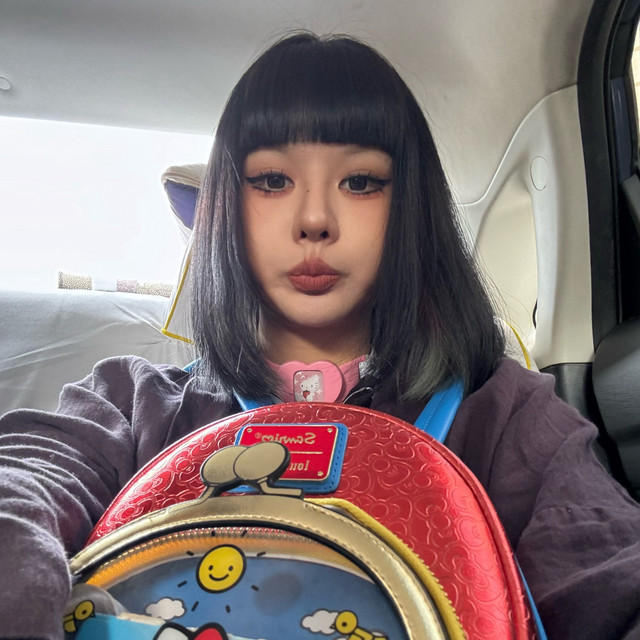
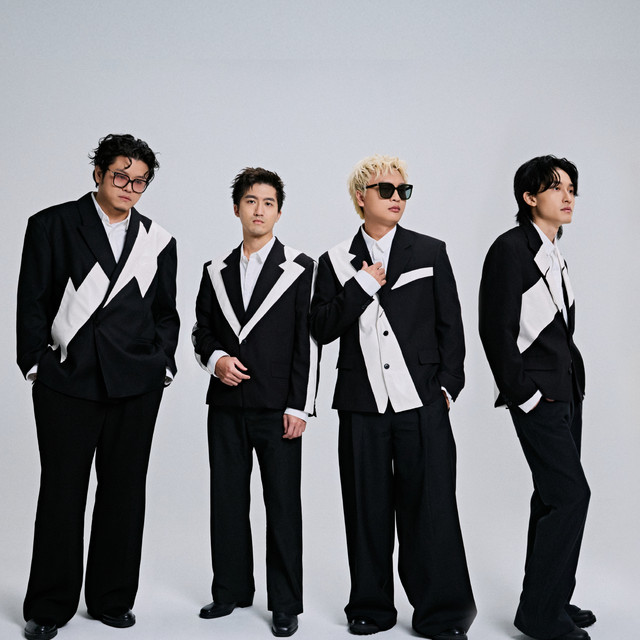
16
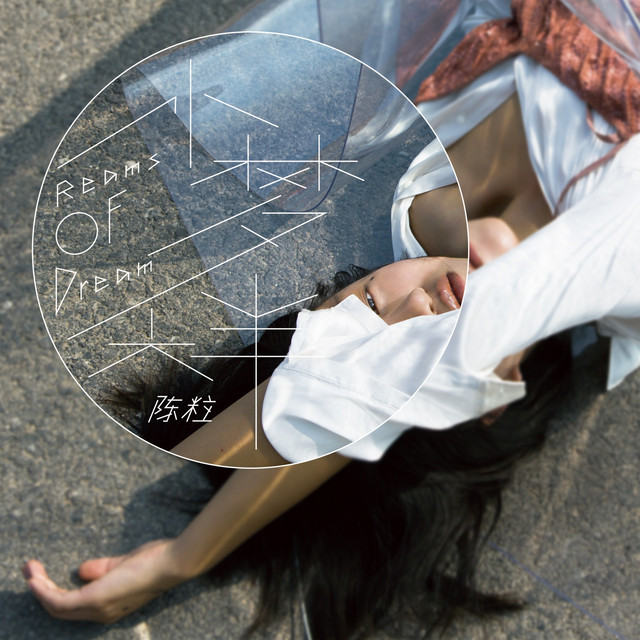
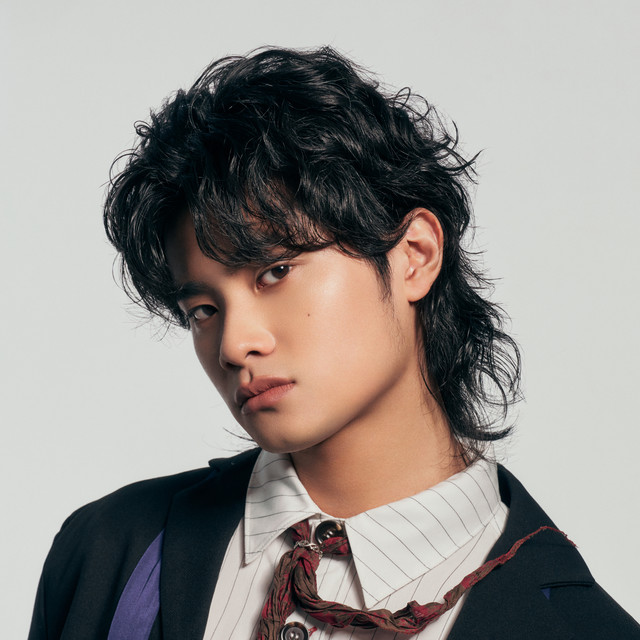
陳粒
China
220,863
518,914 listeners



23
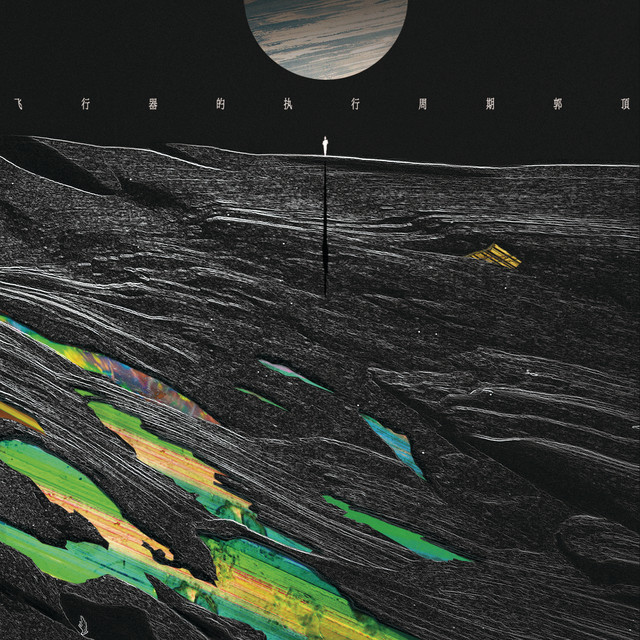
郭顶
155,207
400,383 listeners
About Chinese indie
Chinese indie is the umbrella term for the independent music scenes across Greater China, encompassing Chinese-language rock, folk, pop, and experimental sounds that are produced outside major labels and mainstream pop channels. In China it has taken root in cities like Beijing and Shanghai, while Taiwan and Hong Kong nurture their own vibrant ecosystems. The sound ranges from jangly guitar-driven indie rock to dream-pop, post-punk, and synth-led experiments, often anchored by intimate vocals in Mandarin, Cantonese, or Taiwanese. Aesthetically, it favors lo-fi textures, inventive production, and a DIY ethos.
The movement crystallized in the late 1990s and gained momentum through the 2000s as musicians built independent routes to release music, organized gigs in small venues, and used blogs and early streaming to reach listeners. The MIDI Music Festival in Beijing and other grassroots venues helped turn a city scene into a nationwide dialogue, and independent labels began to shape a more coherent ecosystem. This was not a rebellion forged in a single moment but a gradual shift toward autonomy in how music was created, distributed, and performed.
Key acts and ambassadors are widely cited as agents of change within the Chinese indie canon. P.K.14 stands as one of the movement’s foundational bands, pairing literate, urgent lyrics with post-punk energy to define a distinctly Chinese take on indie rock. Carsick Cars introduced a freer, noisier guitar language that resonated with international audiences and opened doors for cross-border collaboration. New Pants became known for mixing electro textures with rock swagger, injecting playful energy into the indie milieu, while Duck Fight Goose explored math-rock and lo-fi aesthetics, pushing the edge of what Chinese indie could sound like. Together, these bands exemplify a core trait of Chinese indie: a readiness to experiment while preserving emotional directness.
Taiwan contributes its own flavor to the tapestry, with indie pop and experimental acts that speak to Mandarin-speaking listeners and beyond. The cross-strait exchange—Beijing, Shanghai, Taipei, and Hong Kong—creates a porous network of collaborations, tours, and split releases, enriching the palette of sounds and ideas. International audiences began paying attention in the 2000s and 2010s, with coverage from outlets like Pitchfork and NPR highlighting Chinese indie’s adventurous edge and its ability to absorb global influences without losing linguistic and cultural specificity. Independent labels—most notably Beijing’s Maybe Mars—have played a crucial role in shaping the scene by curating releases, organizing tours, and connecting local bands with overseas audiences.
Musically, Chinese indie embraces a broad spectrum: lean guitar lines, airy or abrasive vocals, and textures drawn from post-punk, shoegaze, dream pop, and electronic music. Lyrical themes often explore urban alienation, memory, love, and social fragments, sung in Mandarin, Cantonese, or Taiwanese. The genre thrives on intimate storytelling set against expansive sonic landscapes, appealing to listeners who crave music that feels both personal and globally aware.
If you’re exploring, start with archetypes like P.K.14, Carsick Cars, New Pants, and Duck Fight Goose, then branch into regional scenes around Beijing, Shanghai, and Taipei. Sunset Rollercoaster from Taiwan offers a contemporary example of how the indie spirit travels and morphs across borders. The Chinese indie story is ongoing, but its core impulse remains clear: music created on independent terms, with a distinct Chinese sensibility that both mirrors and challenges the wider global indie dialogue.
The movement crystallized in the late 1990s and gained momentum through the 2000s as musicians built independent routes to release music, organized gigs in small venues, and used blogs and early streaming to reach listeners. The MIDI Music Festival in Beijing and other grassroots venues helped turn a city scene into a nationwide dialogue, and independent labels began to shape a more coherent ecosystem. This was not a rebellion forged in a single moment but a gradual shift toward autonomy in how music was created, distributed, and performed.
Key acts and ambassadors are widely cited as agents of change within the Chinese indie canon. P.K.14 stands as one of the movement’s foundational bands, pairing literate, urgent lyrics with post-punk energy to define a distinctly Chinese take on indie rock. Carsick Cars introduced a freer, noisier guitar language that resonated with international audiences and opened doors for cross-border collaboration. New Pants became known for mixing electro textures with rock swagger, injecting playful energy into the indie milieu, while Duck Fight Goose explored math-rock and lo-fi aesthetics, pushing the edge of what Chinese indie could sound like. Together, these bands exemplify a core trait of Chinese indie: a readiness to experiment while preserving emotional directness.
Taiwan contributes its own flavor to the tapestry, with indie pop and experimental acts that speak to Mandarin-speaking listeners and beyond. The cross-strait exchange—Beijing, Shanghai, Taipei, and Hong Kong—creates a porous network of collaborations, tours, and split releases, enriching the palette of sounds and ideas. International audiences began paying attention in the 2000s and 2010s, with coverage from outlets like Pitchfork and NPR highlighting Chinese indie’s adventurous edge and its ability to absorb global influences without losing linguistic and cultural specificity. Independent labels—most notably Beijing’s Maybe Mars—have played a crucial role in shaping the scene by curating releases, organizing tours, and connecting local bands with overseas audiences.
Musically, Chinese indie embraces a broad spectrum: lean guitar lines, airy or abrasive vocals, and textures drawn from post-punk, shoegaze, dream pop, and electronic music. Lyrical themes often explore urban alienation, memory, love, and social fragments, sung in Mandarin, Cantonese, or Taiwanese. The genre thrives on intimate storytelling set against expansive sonic landscapes, appealing to listeners who crave music that feels both personal and globally aware.
If you’re exploring, start with archetypes like P.K.14, Carsick Cars, New Pants, and Duck Fight Goose, then branch into regional scenes around Beijing, Shanghai, and Taipei. Sunset Rollercoaster from Taiwan offers a contemporary example of how the indie spirit travels and morphs across borders. The Chinese indie story is ongoing, but its core impulse remains clear: music created on independent terms, with a distinct Chinese sensibility that both mirrors and challenges the wider global indie dialogue.