Genre
chinese r&b
Top Chinese r&b Artists
Showing 25 of 1,313 artists

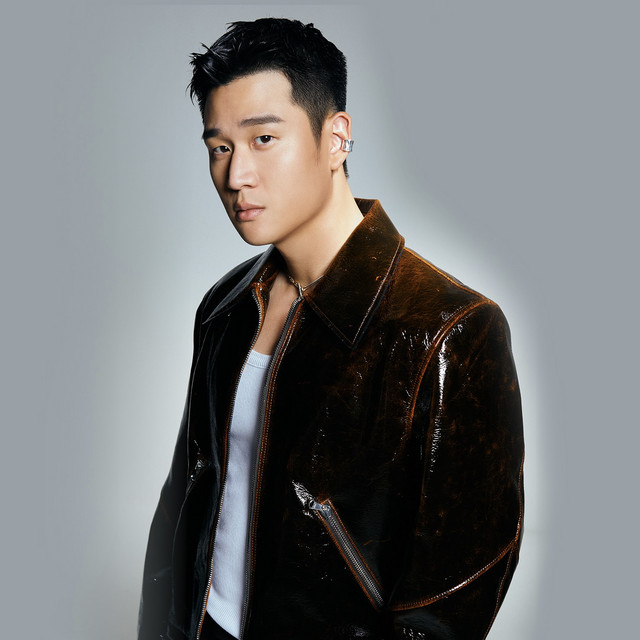



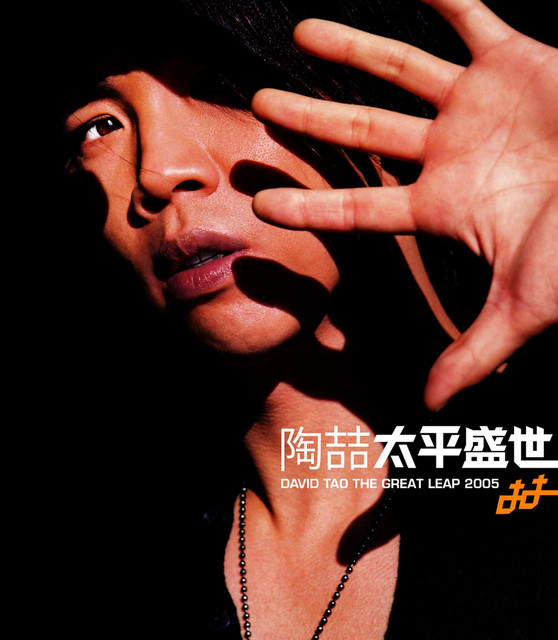





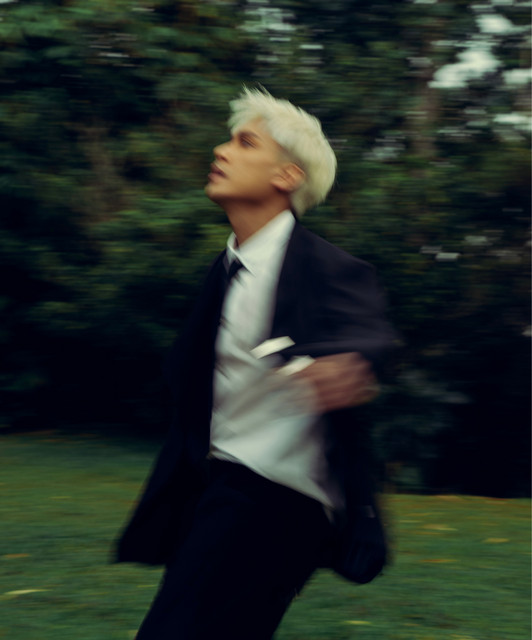
13

單依純
252,636
1.2 million listeners
14
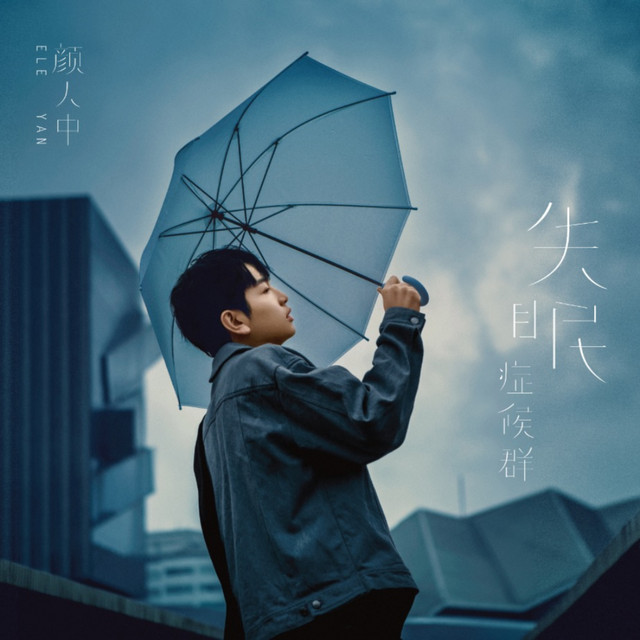
颜人中
439,308
1.2 million listeners


19

隊長
285,596
938,416 listeners



24

陳華
101,166
746,885 listeners
25

郑润泽
164,024
723,647 listeners
About Chinese r&b
Chinese R&B is a Mandarin- and Cantonese-speaking thread of global rhythm and blues that centers soulful vocal delivery, groove-driven production, and emotionally honest storytelling. It arrived as Chinese artists started absorbing Western R&B and neo-soul while keeping a distinctly Chinese sensibility—melodic lines, poetic imagery, and lyrics about love, heartbreak, and daily life. The result is music that can feel intimate like a slow jam, yet contemporary and club-ready when the beat drops.
The genre’s modern origins trace to the late 1990s and early 2000s, when Chinese-speaking artists began fusing Western R&B with Mandarin lyrics and local pop craftsmanship. The single most influential figure is widely recognized as David Tao, whose debut and subsequent records married stripped-down funk grooves, gospel-inflected harmonies, and English-tinged phrasing with Chinese lyrics. Tao’s work established a blueprint for Mandarin-language R&B—polished, emotionally direct, and sonically international—without sacrificing a Chinese musical identity. His breakthrough opened doors for a broader set of artists to explore groove-centric, soul-flavored pop.
A second wave in the early 2000s helped move Chinese R&B into the mainstream. Leehom Wang expanded the palette by weaving R&B soul with Chinese musical motifs and bilingual lyrics, while Jay Chou fused R&B-like cadence with hip-hop-inflected fire, ornate melodies, and poetic couplets. Together, Tao, Wang, and Chou showed that Chinese-language pop could carry the mood and weight of R&B while still sounding unmistakably Chinese. Their work inspired countless singers and producers to experiment with mood, tempo, and phrasing, gradually building a robust scene across Greater China.
Today’s Chinese R&B spans a spectrum: from neo-soul ballads to mid-tempo grooves, from intimate vocal performances to lush, produced tracks that sit at the crossroads of pop, hip-hop, and electronic music. In Taiwan, Hong Kong, and Mainland China, a new generation of artists—led by voices that emphasize vocal warmth, expressive falsetto, and refined arrangements—continues to push the sound forward. Contemporary names like Eric Chou and other rising talents personify the ongoing evolution: they blend traditional melody with contemporary R&B inflections, expanding the genre’s emotional range and technical vocabulary. The scene also benefits from cross-genre collaboration, where R&B influences mingle with pop, EDM, and trap textures.
Chinese R&B has found a receptive audience far beyond the immediate Chinese-speaking markets. It is particularly popular in Taiwan, Hong Kong, and Mainland China, where dense urban sounds and live performance culture fuel demand for soulful expression. Singapore and Malaysia—the major hubs of Southeast Asian Mandarin pop—also nurture vibrant audiences, while the Chinese diaspora in North America, Europe, and Australia keeps the sound alive through concerts, playlists, and online communities.
For enthusiasts, Chinese R&B offers a window into contemporary Chinese popular music that prioritizes groove, emotional honesty, and cross-cultural production. It’s a genre in which vocal nuance, storytelling, and slick arrangement sit at the heart of the experience, inviting listeners to explore both the warmth of traditional Chinese melodic lines and the impulsive energy of global R&B.
The genre’s modern origins trace to the late 1990s and early 2000s, when Chinese-speaking artists began fusing Western R&B with Mandarin lyrics and local pop craftsmanship. The single most influential figure is widely recognized as David Tao, whose debut and subsequent records married stripped-down funk grooves, gospel-inflected harmonies, and English-tinged phrasing with Chinese lyrics. Tao’s work established a blueprint for Mandarin-language R&B—polished, emotionally direct, and sonically international—without sacrificing a Chinese musical identity. His breakthrough opened doors for a broader set of artists to explore groove-centric, soul-flavored pop.
A second wave in the early 2000s helped move Chinese R&B into the mainstream. Leehom Wang expanded the palette by weaving R&B soul with Chinese musical motifs and bilingual lyrics, while Jay Chou fused R&B-like cadence with hip-hop-inflected fire, ornate melodies, and poetic couplets. Together, Tao, Wang, and Chou showed that Chinese-language pop could carry the mood and weight of R&B while still sounding unmistakably Chinese. Their work inspired countless singers and producers to experiment with mood, tempo, and phrasing, gradually building a robust scene across Greater China.
Today’s Chinese R&B spans a spectrum: from neo-soul ballads to mid-tempo grooves, from intimate vocal performances to lush, produced tracks that sit at the crossroads of pop, hip-hop, and electronic music. In Taiwan, Hong Kong, and Mainland China, a new generation of artists—led by voices that emphasize vocal warmth, expressive falsetto, and refined arrangements—continues to push the sound forward. Contemporary names like Eric Chou and other rising talents personify the ongoing evolution: they blend traditional melody with contemporary R&B inflections, expanding the genre’s emotional range and technical vocabulary. The scene also benefits from cross-genre collaboration, where R&B influences mingle with pop, EDM, and trap textures.
Chinese R&B has found a receptive audience far beyond the immediate Chinese-speaking markets. It is particularly popular in Taiwan, Hong Kong, and Mainland China, where dense urban sounds and live performance culture fuel demand for soulful expression. Singapore and Malaysia—the major hubs of Southeast Asian Mandarin pop—also nurture vibrant audiences, while the Chinese diaspora in North America, Europe, and Australia keeps the sound alive through concerts, playlists, and online communities.
For enthusiasts, Chinese R&B offers a window into contemporary Chinese popular music that prioritizes groove, emotional honesty, and cross-cultural production. It’s a genre in which vocal nuance, storytelling, and slick arrangement sit at the heart of the experience, inviting listeners to explore both the warmth of traditional Chinese melodic lines and the impulsive energy of global R&B.