Genre
cincinnati indie
Top Cincinnati indie Artists
Showing 24 of 24 artists













About Cincinnati indie
Cincinnati indie is a regional strain of American indie rock that grew out of Cincinnati, Ohio’s midwestern DIY spaces, venues, and stubbornly melodic sensibilities. Rooted in the late 1980s and flowering through the 1990s, it blends garage grit, jangly guitars, and an alt-country or soul-inflected punch. It’s less a single sound than a shared approach: melodic hooks, literate lyrics, and a willingness to blur boundaries between indie rock, punk, and roots music. The scene thrived in the city’s clubs, basements, and small-label ecosystems, where a tight-knit network could lift a band from local neighborhoods into national attention.
Born from a confluence of influences, Cincinnati’s indie story began to coalesce as bands started taking bigger swings with raw energy and resilient melodies. The Afghan Whigs, formed in 1986, became one of the most influential signposts. They bridged punk and soul, releasing urgent, guitar-driven albums that earned them a national audience in the early ’90s, while remaining unmistakably Cincinnati in their polish and intensity. Their breakthrough helped put Cincinnati on the indie-rock map and inspired countless local groups to follow the path of ambitious alternative rock with a distinctive vocal and sonic edge. The late ’80s and early ’90s also saw the Ass Ponys and Over the Rhine emerge as stalwarts of the city’s indie ecosystem, each carving out a signature blend—dusty Americana, literate storytelling, and arrangements that honored craft over flash.
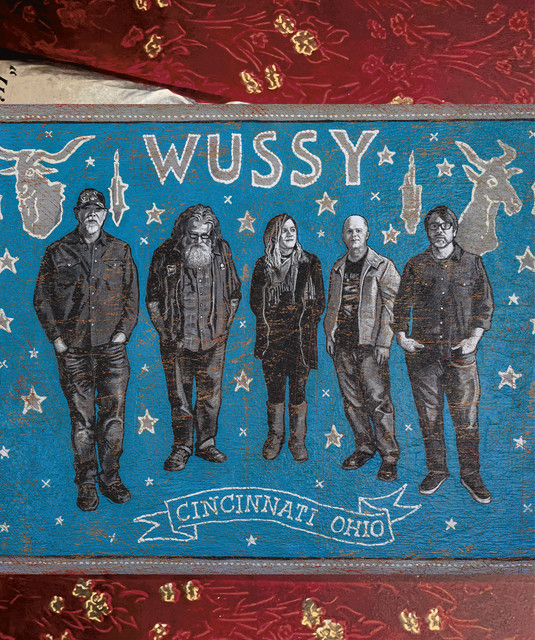
If the Afghan Whigs provided the banner, a roster of other Cincinnati acts defined the texture of the scene. The Greenhornes, with their garage-rock revival energy, helped tether Cincinnati to a broader mid-2000s indie lineage, even crossing paths with international audiences when their music intersected with The Raconteurs. Wussy, formed in the early 2000s by Chuck Cleaver and Lisa Walker, became a modern ambassador of the city’s melodic sensibility, known for intimate, shared-vocal storytelling and a willingness to take risks with song structure. These bands—alongside numerous local clubs and labels—gave Cincinnati indie its reputation for sturdy, emotionally direct rock that could be both catchy and deeply personal.
What makes Cincinnati indie distinctive? A propensity for dualities: brightness and grit, melancholy and defiance, polish and rough edges. The genre often features stacked harmony vocals, guitar lines that bite yet swing, and a sense of storytelling that feels rooted in the Midwest’s weathered streets. It’s equally comfortable with tender ballads and loud, cathartic eruptions. The result is a sonic tapestry where roots-rock lyricism meets indie-independent courage, with a pragmatic, almost communal ethos about making music outside major-label spectacle.
Geographically, Cincinnati indie claims its strongest audience in the United States, especially within the Midwest and East Coast indie circuits. It has also found sympathetic ears in Europe and the UK, where European listeners often celebrate American regional scenes for their authenticity and immediacy. Today, the lineage persists in contemporary Cincinnati acts and in the continued reverberation of those ’90s and early-2000s records that first proved Cincinnati could produce music with both heart and height.
In short, Cincinnati indie is a historically grounded, emotionally candid, guitar-forward branch of American indie rock. It’s anchored by bands that dared to blend soul, country, and garage energy into something that sounded unmistakably local—and, at the same time, universally accessible to listeners around the world.
Born from a confluence of influences, Cincinnati’s indie story began to coalesce as bands started taking bigger swings with raw energy and resilient melodies. The Afghan Whigs, formed in 1986, became one of the most influential signposts. They bridged punk and soul, releasing urgent, guitar-driven albums that earned them a national audience in the early ’90s, while remaining unmistakably Cincinnati in their polish and intensity. Their breakthrough helped put Cincinnati on the indie-rock map and inspired countless local groups to follow the path of ambitious alternative rock with a distinctive vocal and sonic edge. The late ’80s and early ’90s also saw the Ass Ponys and Over the Rhine emerge as stalwarts of the city’s indie ecosystem, each carving out a signature blend—dusty Americana, literate storytelling, and arrangements that honored craft over flash.
If the Afghan Whigs provided the banner, a roster of other Cincinnati acts defined the texture of the scene. The Greenhornes, with their garage-rock revival energy, helped tether Cincinnati to a broader mid-2000s indie lineage, even crossing paths with international audiences when their music intersected with The Raconteurs. Wussy, formed in the early 2000s by Chuck Cleaver and Lisa Walker, became a modern ambassador of the city’s melodic sensibility, known for intimate, shared-vocal storytelling and a willingness to take risks with song structure. These bands—alongside numerous local clubs and labels—gave Cincinnati indie its reputation for sturdy, emotionally direct rock that could be both catchy and deeply personal.
What makes Cincinnati indie distinctive? A propensity for dualities: brightness and grit, melancholy and defiance, polish and rough edges. The genre often features stacked harmony vocals, guitar lines that bite yet swing, and a sense of storytelling that feels rooted in the Midwest’s weathered streets. It’s equally comfortable with tender ballads and loud, cathartic eruptions. The result is a sonic tapestry where roots-rock lyricism meets indie-independent courage, with a pragmatic, almost communal ethos about making music outside major-label spectacle.
Geographically, Cincinnati indie claims its strongest audience in the United States, especially within the Midwest and East Coast indie circuits. It has also found sympathetic ears in Europe and the UK, where European listeners often celebrate American regional scenes for their authenticity and immediacy. Today, the lineage persists in contemporary Cincinnati acts and in the continued reverberation of those ’90s and early-2000s records that first proved Cincinnati could produce music with both heart and height.
In short, Cincinnati indie is a historically grounded, emotionally candid, guitar-forward branch of American indie rock. It’s anchored by bands that dared to blend soul, country, and garage energy into something that sounded unmistakably local—and, at the same time, universally accessible to listeners around the world.