Genre
classical bassoon
Top Classical bassoon Artists
Showing 25 of 34 artists








About Classical bassoon
Classical bassoon is a niche that treats the bassoon not merely as a member of the woodwind section, but as a distinct expressive voice with a distinctive timbre: warm, reedy, often humorously singing in its upper register yet capable of grave, almost orchestral gravity in the lower notes. In the hands of a skilled player, the instrument can glide from lyrical cantabile lines to agile, virtuosic passages, bridging the lyrical and the dramatic in classical music.
Origins and birth of the genre
The bassoon’s modern lineage begins in the 17th century in Europe, where it emerged from earlier double-reed instruments to become a fully fledged member of the orchestral family. By the Baroque era, composers in Italy and the German-speaking world were writing more substantial parts for the instrument. In the Classical period the bassoon secured its place as a standard orchestral voice, often supplying crucial bass and inner lines and sometimes stealing the show in solo passages. The instrument’s long, expressive low register and its ability to articulate rapid, playful figures made it a favorite for composers seeking a distinctive color in the woodwind quintet and in full orchestral texture. The contrabassoon, a larger cousin, extended the bass’s reach even lower, enriching the depth of the ensemble.
Repertoire, composers and ambassadors
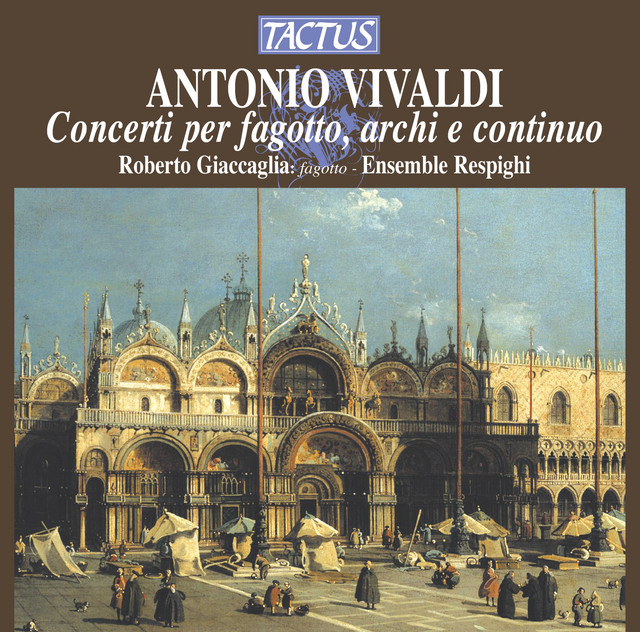
Key composers who wrote prominently for bassoon in the classical and early romantic periods include Johann Sebastian Bach, who used the bassoon in cantatas and chamber textures to widen the aura of the orchestral woodwinds; Antonio Vivaldi, whose bassoon concertos helped establish the instrument’s solo potential in the late Baroque. In the Classical era, Wolfgang Amadeus Mozart contributed one of the instrument’s most famous works: the Bassoon Concerto in B-flat major, K. 191, a cornerstone piece that continues to anchor many bassoon rostos and recitals. In the 19th century, the instrument began to appear with greater romantic depth in orchestral works, and in the 20th century, composers began writing substantial pieces that explored its idiosyncratic color.
Two names stand out as ambassadors in the modern era. On the podium and concert hall, Judith LeClair has been widely recognized as a leading concert bassoonist in the United States, notable for her long association with one of the world’s great orchestras and for bringing a broad repertoire to audiences. On the European scene, French virtuoso and educator Gérard Buquet has championed contemporary bassoon music, expanded the instrument’s solo repertoire, and inspired generations of players through performances and commissioning projects. Together with the International Double Reed Society and conservatories around the world, these figures have helped keep the bassoon at the heart of both early and contemporary classical music.
Geography and popularity
The classical bassoon thrives particularly in Germany, Austria, France, Italy, and the United States, where centers of conservatory training and orchestral tradition sustain a robust bassoon culture. The instrument is taught widely across Europe and North America, with communities in the United Kingdom, the Czech Republic, the Netherlands, and beyond that actively expanding both standard repertoire and modern works.
In sum, classical bassoon is built on a rich historical arc, anchored by landmark repertoire and celebrated by a cadre of distinguished performers. Its unique voice—deep, expressive, and versatile—continues to inform and energize the broader world of classical music.
Origins and birth of the genre
The bassoon’s modern lineage begins in the 17th century in Europe, where it emerged from earlier double-reed instruments to become a fully fledged member of the orchestral family. By the Baroque era, composers in Italy and the German-speaking world were writing more substantial parts for the instrument. In the Classical period the bassoon secured its place as a standard orchestral voice, often supplying crucial bass and inner lines and sometimes stealing the show in solo passages. The instrument’s long, expressive low register and its ability to articulate rapid, playful figures made it a favorite for composers seeking a distinctive color in the woodwind quintet and in full orchestral texture. The contrabassoon, a larger cousin, extended the bass’s reach even lower, enriching the depth of the ensemble.
Repertoire, composers and ambassadors
Key composers who wrote prominently for bassoon in the classical and early romantic periods include Johann Sebastian Bach, who used the bassoon in cantatas and chamber textures to widen the aura of the orchestral woodwinds; Antonio Vivaldi, whose bassoon concertos helped establish the instrument’s solo potential in the late Baroque. In the Classical era, Wolfgang Amadeus Mozart contributed one of the instrument’s most famous works: the Bassoon Concerto in B-flat major, K. 191, a cornerstone piece that continues to anchor many bassoon rostos and recitals. In the 19th century, the instrument began to appear with greater romantic depth in orchestral works, and in the 20th century, composers began writing substantial pieces that explored its idiosyncratic color.
Two names stand out as ambassadors in the modern era. On the podium and concert hall, Judith LeClair has been widely recognized as a leading concert bassoonist in the United States, notable for her long association with one of the world’s great orchestras and for bringing a broad repertoire to audiences. On the European scene, French virtuoso and educator Gérard Buquet has championed contemporary bassoon music, expanded the instrument’s solo repertoire, and inspired generations of players through performances and commissioning projects. Together with the International Double Reed Society and conservatories around the world, these figures have helped keep the bassoon at the heart of both early and contemporary classical music.
Geography and popularity
The classical bassoon thrives particularly in Germany, Austria, France, Italy, and the United States, where centers of conservatory training and orchestral tradition sustain a robust bassoon culture. The instrument is taught widely across Europe and North America, with communities in the United Kingdom, the Czech Republic, the Netherlands, and beyond that actively expanding both standard repertoire and modern works.
In sum, classical bassoon is built on a rich historical arc, anchored by landmark repertoire and celebrated by a cadre of distinguished performers. Its unique voice—deep, expressive, and versatile—continues to inform and energize the broader world of classical music.