Genre
classical clarinet
Top Classical clarinet Artists
Showing 25 of 34 artists









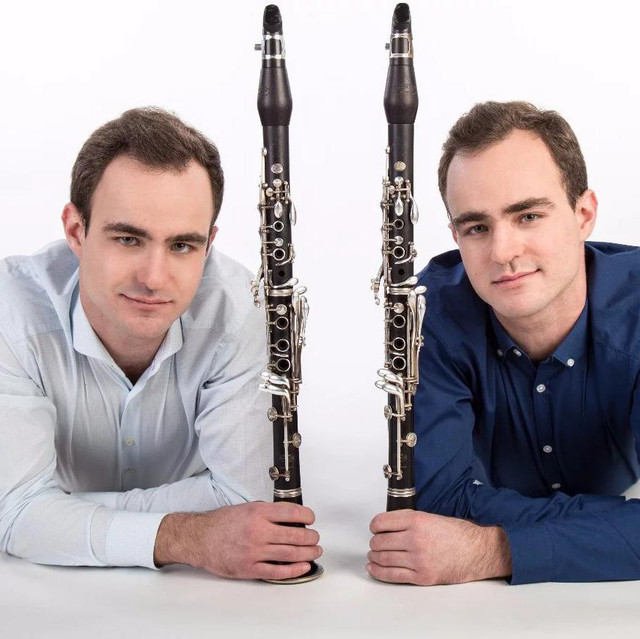
About Classical clarinet
Classical clarinet is the heart of one of the most expressive and versatile instruments in the classical tradition, blending lyrical cantabile lines with agile virtuosity. It grew from the chalumeau family in the late 17th century and then blossomed through the 18th and 19th centuries into a cornerstone of orchestral color, chamber music, and solo repertoire. The instrument was forged in Germany, with the Denner family—Johann Christoph Denner and later his descendants—playing a pivotal developmental role. By mid‑18th century, refinements had begun to yield the modern tone and projection that composers would come to rely on. The real break came with Theobald Boehm’s key system in the 1830s and 1840s, which standardised fingerings, increased tonal clarity, and allowed greater technical agility, paving the way for the instrument’s universal adoption in classical music.
Repertoire and milestones define the classical clarinet as much as its physical evolution. The instrument’s most famous solo vehicle is Wolfgang Amadeus Mozart’s Clarinet Concerto in A major, K.622 (1791), composed for his intimate collaborator and clarinet virtuoso Anton Stadler. The concerto’s warm cantabile aria and refined technical demands became a touchstone for Romantic elegance. Mozart’s Clarinet Quintet in A major, K.581, is another essential cornerstone, where the clarinet blends with strings in a way that reveals the instrument’s intimate, almost vocal character. Early to mid‑Romantic composers such as Carl Maria von Weber expanded the instrument’s role in concertos—Weber’s two acclaimed concertos (No. 1 in F minor, Op. 73 and No. 2 in E‑flat major, Op. 74) showcase dramatic passagework and lyrical breadth. In Vienna, Paris, and beyond, the clarinet became a favored voice for wind quintets, operatic orchestration, and virtuosic showpieces.
Anton Stadler’s virtuosity and Mozart’s affinity for the instrument helped seed a clarinet tradition that later composers would cultivate. In the Romantic era, the clarinet shed some of its classical restraint and embraced more expansive, expressive lines, as heard in works by Johannes Brahms (the Clarinet Sonatas Op. 120 and the famous Clarinet Quintet Op. 115) and in Brahms’s rich, late‑Romantic chamber music world. The instrument also found a prominent place in orchestral works by Berlioz, Wagner, and later Tchaikovsky, with the clarinet often serving as a bridge between woodwinds and strings, capable of both luminous lyricism and edge‑of‑the‑seat virtuosity.
Today, classical clarinet performance thrives in Germany, Austria, and France as enduring hubs of conservatory training, festival programming, and orchestral life. The United States has long been a fertile ground for enrichment of the repertoire, pedagogy, and recording culture, while the United Kingdom, Italy, and Central and Eastern Europe maintain strong traditions as well. Modern ambassadors—artists such as Martin Fröst, Sabine Meyer, and Andreas Ottensamer—continue to expand the instrument’s expressive vocabulary, commission new works, and bring a fresh, cosmopolitan audience to the classical clarinet. Whether in a shimmering orchestral solo, a intimate chamber piece, or a fearless modern concerto, the classical clarinet remains a voice that can soar, sigh, and surprise with equal felicity.
Repertoire and milestones define the classical clarinet as much as its physical evolution. The instrument’s most famous solo vehicle is Wolfgang Amadeus Mozart’s Clarinet Concerto in A major, K.622 (1791), composed for his intimate collaborator and clarinet virtuoso Anton Stadler. The concerto’s warm cantabile aria and refined technical demands became a touchstone for Romantic elegance. Mozart’s Clarinet Quintet in A major, K.581, is another essential cornerstone, where the clarinet blends with strings in a way that reveals the instrument’s intimate, almost vocal character. Early to mid‑Romantic composers such as Carl Maria von Weber expanded the instrument’s role in concertos—Weber’s two acclaimed concertos (No. 1 in F minor, Op. 73 and No. 2 in E‑flat major, Op. 74) showcase dramatic passagework and lyrical breadth. In Vienna, Paris, and beyond, the clarinet became a favored voice for wind quintets, operatic orchestration, and virtuosic showpieces.
Anton Stadler’s virtuosity and Mozart’s affinity for the instrument helped seed a clarinet tradition that later composers would cultivate. In the Romantic era, the clarinet shed some of its classical restraint and embraced more expansive, expressive lines, as heard in works by Johannes Brahms (the Clarinet Sonatas Op. 120 and the famous Clarinet Quintet Op. 115) and in Brahms’s rich, late‑Romantic chamber music world. The instrument also found a prominent place in orchestral works by Berlioz, Wagner, and later Tchaikovsky, with the clarinet often serving as a bridge between woodwinds and strings, capable of both luminous lyricism and edge‑of‑the‑seat virtuosity.
Today, classical clarinet performance thrives in Germany, Austria, and France as enduring hubs of conservatory training, festival programming, and orchestral life. The United States has long been a fertile ground for enrichment of the repertoire, pedagogy, and recording culture, while the United Kingdom, Italy, and Central and Eastern Europe maintain strong traditions as well. Modern ambassadors—artists such as Martin Fröst, Sabine Meyer, and Andreas Ottensamer—continue to expand the instrument’s expressive vocabulary, commission new works, and bring a fresh, cosmopolitan audience to the classical clarinet. Whether in a shimmering orchestral solo, a intimate chamber piece, or a fearless modern concerto, the classical clarinet remains a voice that can soar, sigh, and surprise with equal felicity.