Genre
classical contralto
Top Classical contralto Artists
Showing 10 of 10 artists

About Classical contralto
The classical contralto is the lowest officially recognized female voice type in the standard concert and operatic repertoire, prized for its unusually rich, dark, and sometimes velvet-like timbre. It sits below the mezzo-soprano in the vocal taxonomy, and its true tessitura tends to sit in the lower register, with a warming, resonant midsection that can deliver both lyrical song and dramatic expression. Because true contraltos are relatively rare, the label often signals a distinctive color rather than a fixed range; many great singers inhabit the mezzo-contralto or even some dramatic soprano repertoire in different moments of their careers. When you hear a contralto in full flight, you encounter a voice capable of glistening soft singing in the lower range and a steely, fearless core that can cut through orchestral textures without losing warmth.
Historically, the contralto emerges more clearly in the 18th and 19th centuries, as the classical canon codified voice types beyond the basic soprano and alto labels. In Baroque sacred music and early opera, composers began writing for distinct low female voices, and over time the term contralto (from Latin contra-altus, “against the high”) became the standard designation for these voices. The genre’s development accelerated in the Romantic era and into the modern period, when composers expanded the dramatic and emotional demands placed on the lower female voice. The repertoire spans Bach and Handel in sacred cantatas and oratorios, to Mahler, Elgar, and Doulce-Memories in orchestral song cycles and opera, offering a wide spectrum from intimate art songs to commanding concert arias and large-scale choral-orchestral works.
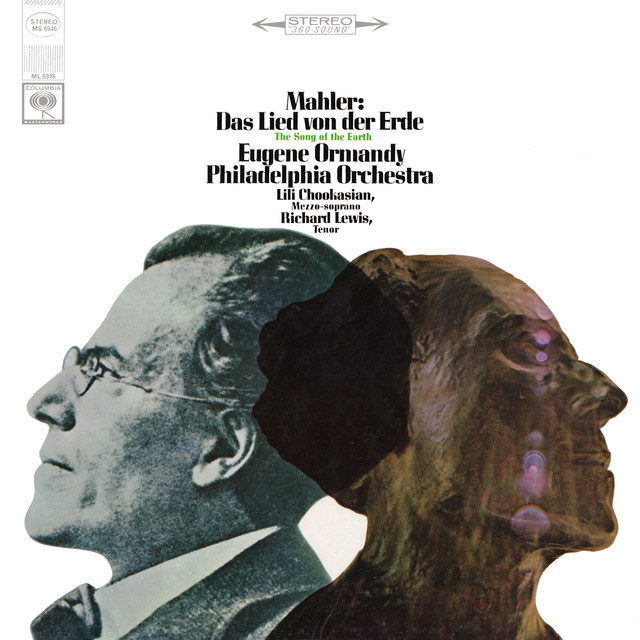
Key works for the contralto include the alto arias of Bach’s cantatas, Handel’s oratorios, and the intense, luminous parts found in Mahler’s Das Lied von der Erde and Elgar’s Sea Pictures. In opera, contralto roles are comparatively rare but memorable, often portraying wise witches, aging queens, or morally complex matriarchs that require depth, gravity, and a surprisingly agile upper extension when needed. The contralto’s repertoire continues to attract singers who seek extreme color, dramatic gravitas, and emotional directness.
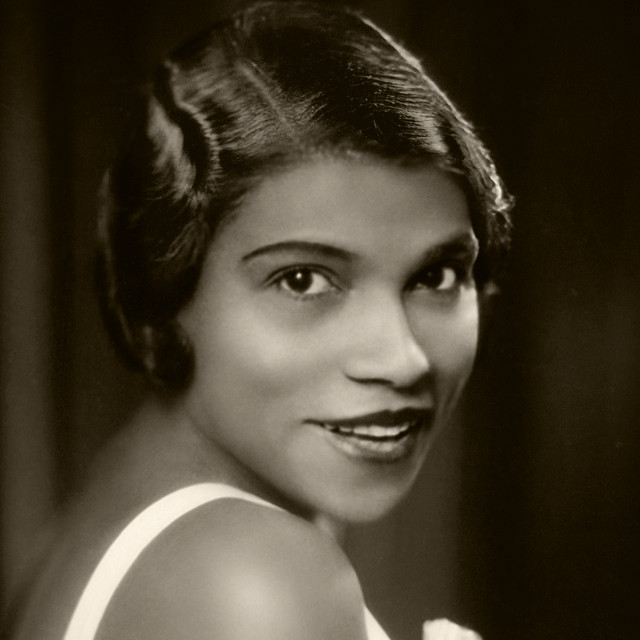
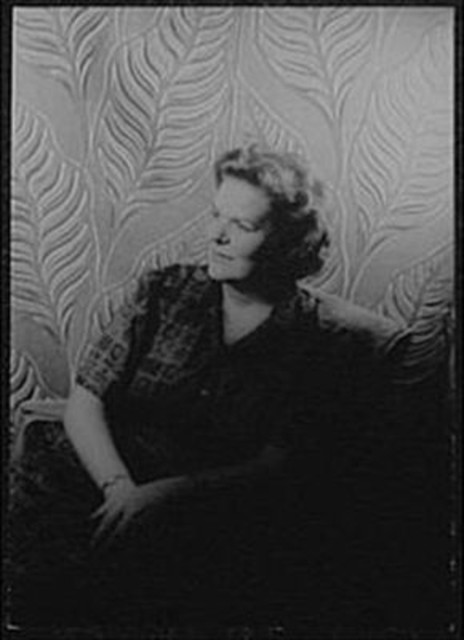
Among its ambassadors, several legendary singers have come to symbolize the classical contralto tradition. Marian Anderson bridged art and civil rights with performances that showcased the instrument’s depth and nobility on international stages and in concert halls that had long excluded Black artists. Kathleen Ferrier, a British contralto of the postwar era, became a defining voice for a generation, celebrated for her Bach, Mahler, and Lieder interpretations. In recent decades, European performers such as Ewa Podleś have reinforced the contralto’s vitality, bringing repertoire to life with precision, warmth, and a fearless sense of color.
The genre enjoys particular resonance in the United States, the United Kingdom, and Central Europe (notably Germany and Poland), where the concertized and operatic contralto has a storied history and robust pedagogy. It remains a niche yet influential voice color in classical music, inviting enthusiasts to explore the rare, sonorous beauty that only the contralto can deliver.
Historically, the contralto emerges more clearly in the 18th and 19th centuries, as the classical canon codified voice types beyond the basic soprano and alto labels. In Baroque sacred music and early opera, composers began writing for distinct low female voices, and over time the term contralto (from Latin contra-altus, “against the high”) became the standard designation for these voices. The genre’s development accelerated in the Romantic era and into the modern period, when composers expanded the dramatic and emotional demands placed on the lower female voice. The repertoire spans Bach and Handel in sacred cantatas and oratorios, to Mahler, Elgar, and Doulce-Memories in orchestral song cycles and opera, offering a wide spectrum from intimate art songs to commanding concert arias and large-scale choral-orchestral works.
Key works for the contralto include the alto arias of Bach’s cantatas, Handel’s oratorios, and the intense, luminous parts found in Mahler’s Das Lied von der Erde and Elgar’s Sea Pictures. In opera, contralto roles are comparatively rare but memorable, often portraying wise witches, aging queens, or morally complex matriarchs that require depth, gravity, and a surprisingly agile upper extension when needed. The contralto’s repertoire continues to attract singers who seek extreme color, dramatic gravitas, and emotional directness.
Among its ambassadors, several legendary singers have come to symbolize the classical contralto tradition. Marian Anderson bridged art and civil rights with performances that showcased the instrument’s depth and nobility on international stages and in concert halls that had long excluded Black artists. Kathleen Ferrier, a British contralto of the postwar era, became a defining voice for a generation, celebrated for her Bach, Mahler, and Lieder interpretations. In recent decades, European performers such as Ewa Podleś have reinforced the contralto’s vitality, bringing repertoire to life with precision, warmth, and a fearless sense of color.
The genre enjoys particular resonance in the United States, the United Kingdom, and Central Europe (notably Germany and Poland), where the concertized and operatic contralto has a storied history and robust pedagogy. It remains a niche yet influential voice color in classical music, inviting enthusiasts to explore the rare, sonorous beauty that only the contralto can deliver.