Artist
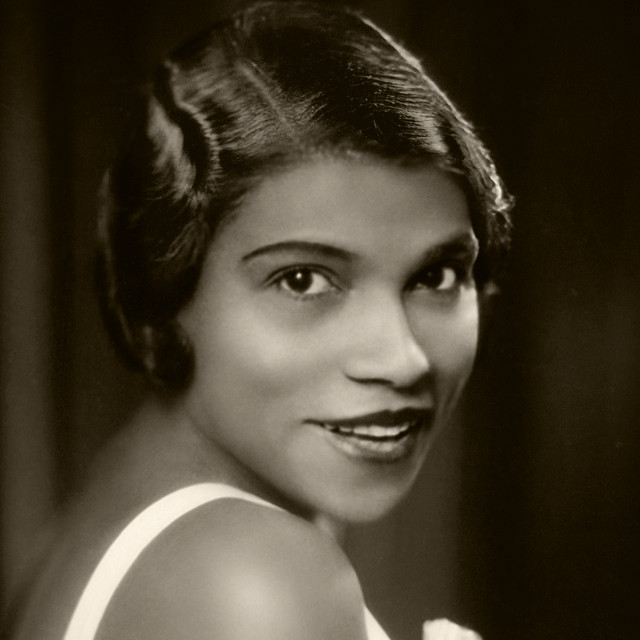
Marian Anderson
Data may be outdated
Last updated: 2 weeks ago — Click refresh to get the latest statistics.
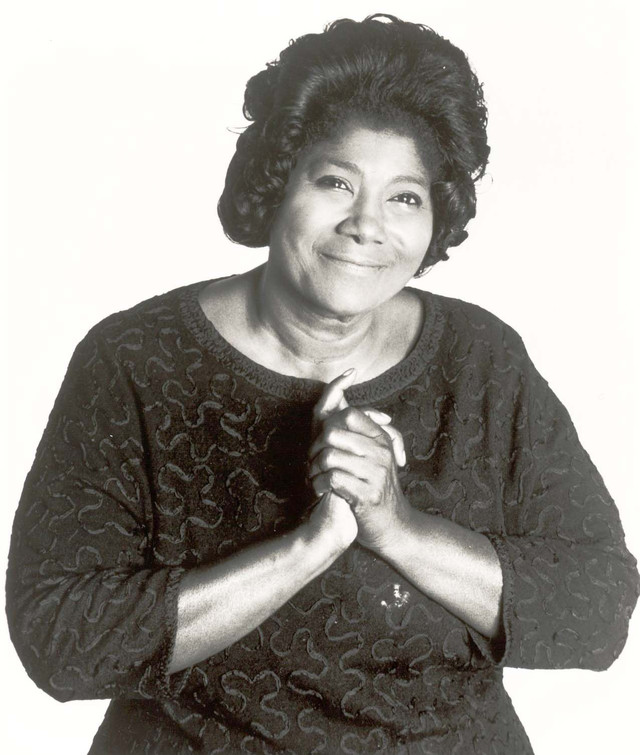
Having sung since childhood, and subsequently studied with a number of teachers in her native Philadelphia, Anderson first rose to prominence when she appeared with the New York Philharmonic Orchestra in 1925. In the early '30s she made a successful concert tour of Europe, and solidified her growing reputation with further appearances in New York and London.
In 1939, Anderson scheduled an appearance at Constitution Hall in Washington, D.C., but was denied the use of the building by its owners, the Daughters of the American Revolution, who objected to the presentation of a black performer. Eleanor Roosevelt resigned her membership in the DAR in protest of this decision and then scheduled an appearance for Anderson at the Lincoln Memorial on Easter Sunday. The resulting concert, attended by thousands and broadcast nationwide, forever established Anderson as an ambassador for racial progress -- a role she embraced with great pride and success for the remainder of her career. Fittingly, Anderson's 1955 appearance at the Metropolitan Opera marked the first by an African-American singer, preparing the way for such future stars as <a href="spotify:artist:3Qh7r2c4JWTmRLH3swU9dC">Leontyne Price</a> and <a href="spotify:artist:0f4tBoODl0zZo4snq0guG6">Shirley Verrett</a>.
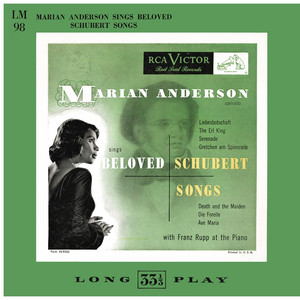
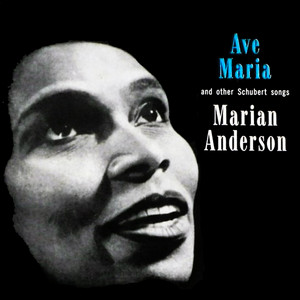
Marian Anderson's voice was dark, rich, and possessed of great power and agility. Her repertory ranged from opera and concert material to Negro spirituals, and she brought to all things a great sense of commitment and integrity. <a href="spotify:artist:4xpgBZSojKNEQqQHXrwSXA">Arturo Toscanini</a> is noted to have remarked that a voice like hers only appears "once in a hundred years." Her extraordinary range extended all the way down to the D below middle C -- as displayed in her performances of <a href="spotify:artist:2p0UyoPfYfI76PCStuXfOP">Schubert</a>'s song Death and the Maiden (Der Tod und das Mädchen) -- as well as upwards into soprano territory (as an exercise, she even sang the devastatingly difficult "Casta diva" from <a href="spotify:artist:6AphpMkKDU4I3Z6XaGu1UV">Bellini</a>'s Norma). While her voice was most distinctive in the lower range, she was also capable of lightening it almost to leggiero proportions -- as she did in works of <a href="spotify:artist:1QL7yTHrdahRMpvNtn6rI2">Handel</a> and other Baroque composers -- and of bringing a near-ideal combination of classical training and folk-like spontaneity to the spirituals that were an integral part of her concert and recording repertoire.
Monthly Listeners
6,858
Monthly Listeners History
Track the evolution of monthly listeners over the last 28 days.
Followers
10,095
Followers History
Track the evolution of followers over the last 28 days.
Total Streams
12.2 million
Total Streams History
Track the evolution of total streams over the last 28 days. This data is calculated from all tracks listed in the artist's discography.
Top Cities



Related Artists

The Riverside Singers
The Marx Brothers

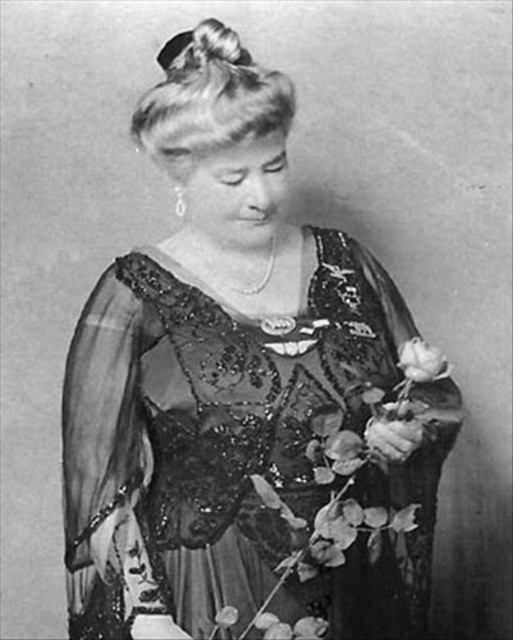
Ernestine Schumann-Heink
Carrie Jacobs-Bond
Salli Terri


Jonathan & Darlene Edwards


Sidney Poitier

Manderson

Robert de Cormier

Wilfred Glenn

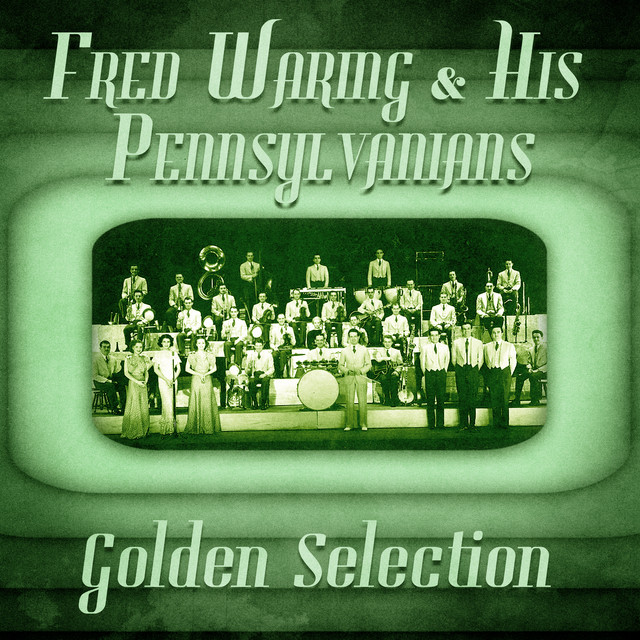
Fred Waring & His Pennsylvanians
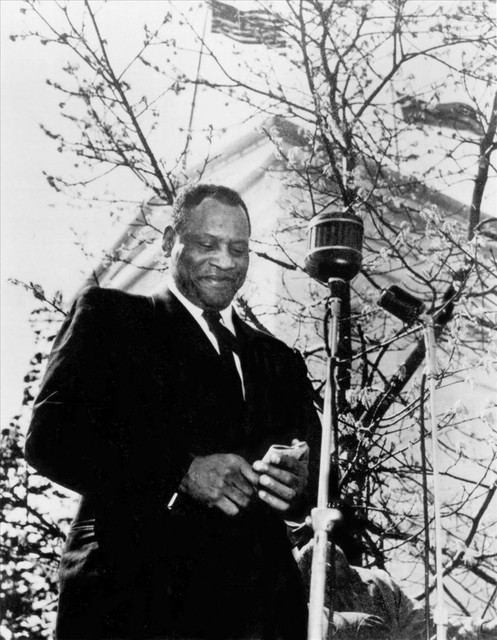
PAUL ROBESON

Montgomery Gospel Trio
Gregg Smith