Genre
classical crossover
Top Classical crossover Artists
Showing 25 of 53 artists










About Classical crossover
Classical crossover is a music genre that sits at the crossroads of the concert hall and the radio, blending the rigorous craft of classical training with the accessibility and expressiveness of pop, film music, rock, and world textures. It treats the symphonic orchestra, piano, and operatic voice as tools for contemporary storytelling, often reimagining arias, art songs, or beloved melodies in arrangements that speak to listeners across traditional genre lines.
Origins are layered. The broader idea of mixing high art with popular sound existed long before its name, but the modern label and marketable wave emerged in the late 20th century. Precursors appeared when opera singers and classical stars collaborated with pop producers and when composers began writing for crossover audiences. In the 1990s and early 2000s, albums and tours explicitly branded as crossover projects—alongside global TV specials and record-company campaigns—helped turn a niche concept into a global phenomenon. The movement was turbocharged by performers and groups who could sell out concert halls while singing in multiple languages and genres.
What defines the sound is both technique and intent. Singers deploy operatic vocal production—clear vowel shaping, sustained phrasing, dramatic dynamics—while choosing repertoire that can breathe with pop hooks, film melodies, or rock-influenced textures. Instrumental crossover acts bring classical mastery into new idioms or reinterpret cinematic scores with rock-solid ensemble energy. Repertoire spans reimaginings of classical standards, contemporary ballads, original compositions, and instrumental pieces originally written for film or stage. Modern productions often feature lush orchestral arrangements, cinematic strings, electronic ambiance, and accessible English-language diction, yet they preserve the virtuosic sensibility of the traditional concert hall.
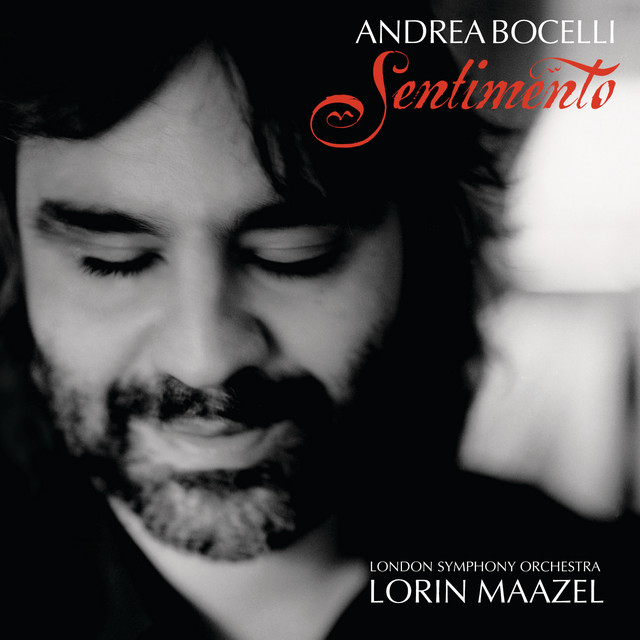
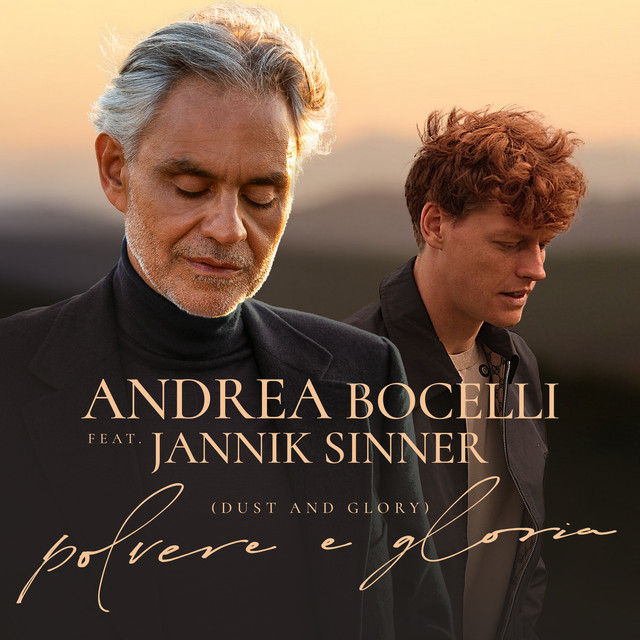
Ambassadors and touchstones are many. Andrea Bocelli embodies the Italian lyric tradition fused with contemporary pop appeal; Sarah Brightman popularized operatic pop and helped bring crossover to mass audiences; Josh Groban became a global star with authoritative vocal technique and multilingual repertoire. The ensemble Il Divo popularized a glossy, operatic-pop formula with a multinational lineup. Violinists such as Vanessa-Mae and crossover-focused groups like Bond expanded the palette, while vocalists such as Katherine Jenkins and Charlotte Church broadened the field into mainstream classical-adjacent markets. Instrumental acts like 2CELLOS and similar ensembles have shown that the crossover vocabulary can be self-standing beyond voice.
Geographically, classical crossover has enjoyed particular popularity in Europe and the United States, with strong footholds in Italy, the United Kingdom, Spain, and Germany. It has grown in North America, Latin America, and East Asia, notably Japan and parts of China, where movie- and soundtrack-inspired crossover projects have found enthusiastic audiences. For music enthusiasts, the genre offers a doorway to sophisticated technique reframed through immediacy, memory, and emotional resonance—an ongoing invitation to hear why classical training remains a living, adaptable language.
Origins are layered. The broader idea of mixing high art with popular sound existed long before its name, but the modern label and marketable wave emerged in the late 20th century. Precursors appeared when opera singers and classical stars collaborated with pop producers and when composers began writing for crossover audiences. In the 1990s and early 2000s, albums and tours explicitly branded as crossover projects—alongside global TV specials and record-company campaigns—helped turn a niche concept into a global phenomenon. The movement was turbocharged by performers and groups who could sell out concert halls while singing in multiple languages and genres.
What defines the sound is both technique and intent. Singers deploy operatic vocal production—clear vowel shaping, sustained phrasing, dramatic dynamics—while choosing repertoire that can breathe with pop hooks, film melodies, or rock-influenced textures. Instrumental crossover acts bring classical mastery into new idioms or reinterpret cinematic scores with rock-solid ensemble energy. Repertoire spans reimaginings of classical standards, contemporary ballads, original compositions, and instrumental pieces originally written for film or stage. Modern productions often feature lush orchestral arrangements, cinematic strings, electronic ambiance, and accessible English-language diction, yet they preserve the virtuosic sensibility of the traditional concert hall.
Ambassadors and touchstones are many. Andrea Bocelli embodies the Italian lyric tradition fused with contemporary pop appeal; Sarah Brightman popularized operatic pop and helped bring crossover to mass audiences; Josh Groban became a global star with authoritative vocal technique and multilingual repertoire. The ensemble Il Divo popularized a glossy, operatic-pop formula with a multinational lineup. Violinists such as Vanessa-Mae and crossover-focused groups like Bond expanded the palette, while vocalists such as Katherine Jenkins and Charlotte Church broadened the field into mainstream classical-adjacent markets. Instrumental acts like 2CELLOS and similar ensembles have shown that the crossover vocabulary can be self-standing beyond voice.
Geographically, classical crossover has enjoyed particular popularity in Europe and the United States, with strong footholds in Italy, the United Kingdom, Spain, and Germany. It has grown in North America, Latin America, and East Asia, notably Japan and parts of China, where movie- and soundtrack-inspired crossover projects have found enthusiastic audiences. For music enthusiasts, the genre offers a doorway to sophisticated technique reframed through immediacy, memory, and emotional resonance—an ongoing invitation to hear why classical training remains a living, adaptable language.