Genre
classical horn
Top Classical horn Artists
Showing 25 of 36 artists



About Classical horn
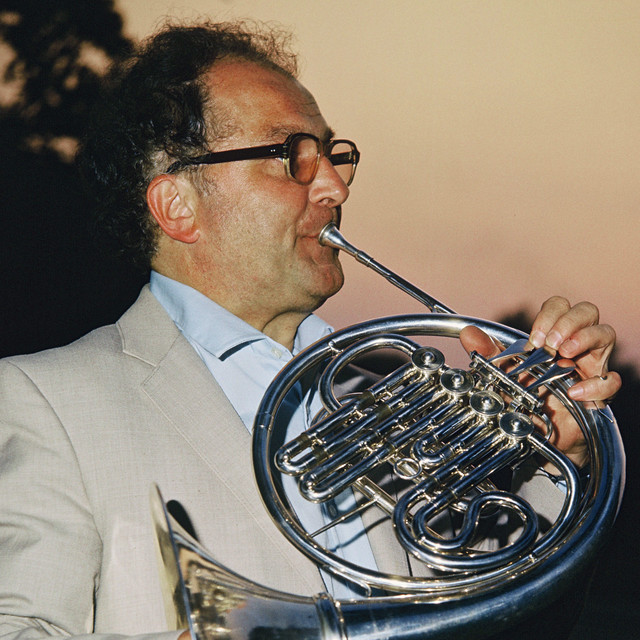
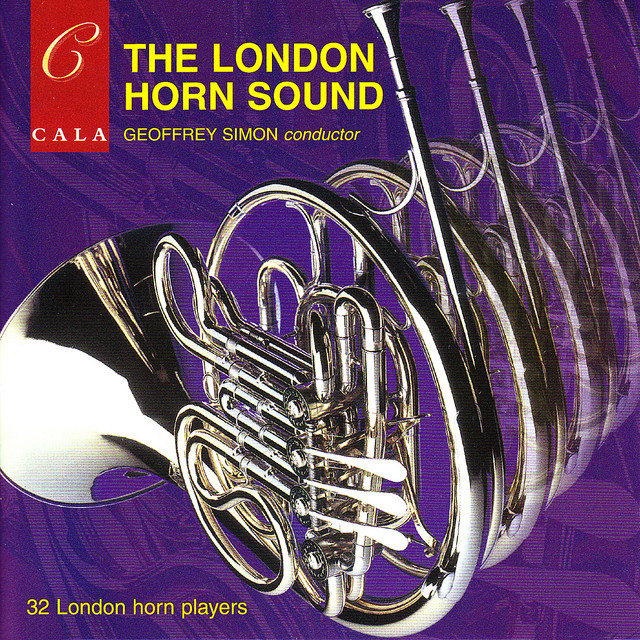
Classical horn is less a singular style than a vast, centuries-spanning tradition that centers the horn’s warm, clarinet-like lyricism and its heroic, regal sonority within the heart of Western art music. From the hunting horns of Europe to the chromatic splendor of the modern valve horn, the genre has evolved with the orchestra itself, producing a repertoire that showcases both intimate cantabile melodies and bursting, fanfare-like power.
The birth of the classical horn lies in the natural horn, used in courts and hunting parties as early as the 17th century. Its pitch depended on the instrument’s length and the player’s lip tension, and composers learned to exploit the horn’s natural harmonics and the technique of hand-stopping to bend notes and create expressive colors. By the mid- to late-18th century, composers such as Mozart wrote extensively for horn, giving it dignified melodic lines within concertos, symphonies, and chamber works. The instrument’s role broadened in the 19th century with the advent of valves, which allowed full chromatic writing and rapid passages. Paris and Vienna became centers of technical refinement, leading to the modern single or double horn and a central place for the instrument in orchestral and chamber music.
Key works define the classical horn’s repertoire. In the concertos, Mozart established the horn as a virtuoso voice capable of singing tenors’ warmth and lyric tenderness; his horn concertos remain touchstones for showpieces and interpretive refinement. The Romantic era deepened the horn’s dramatic palette: Brahms’s horn writing in chamber settings and orchestral passages, Mahler’s symphonies where horns contribute some of the orchestral’s most elegiac and heroic lines, and Strauss’s operatic and orchestral canvases that exploit the horn’s gilded bloom. The 20th century further broadened the spectrum with composers who exploited the horn’s expressive range and multiphonics, while renowned soloists refined performance practice and pedagogy.
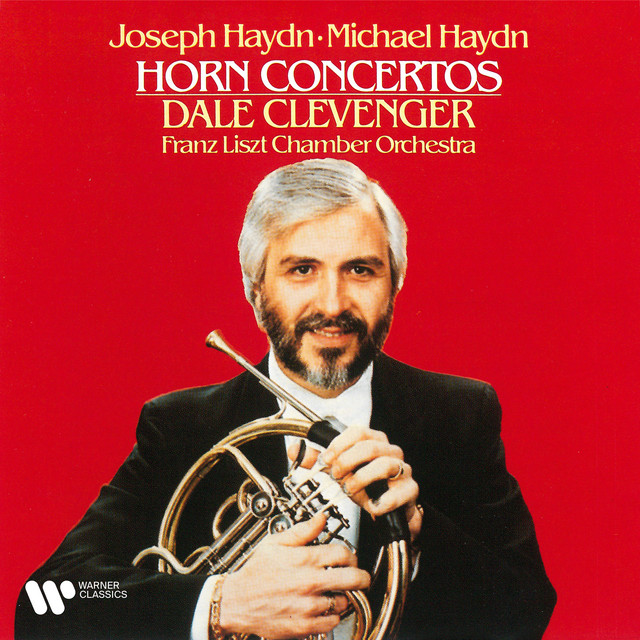
Ambassadors of the classical horn span generations. Dennis Brain, the British virtuoso whose recordings helped define orchestral horn tone and phrasing in the mid-20th century, remains a touchstone for technique and musicality. Other celebrated performers include Hermann Baumann (Germany), Barry Tuckwell (Australia), and Phil Farkas (USA), whose orchestral and recital work shaped modern expectations. Contemporary luminaries such as Radek Baborák (Czech Republic) and Marie-Luise Neunecker (Germany) continue to push the instrument’s expressive boundaries, while teachers and editors—like Farkas’s instructional writings—guide new generations toward refined tonal control and musical storytelling.
The classical horn is especially rooted in Europe, with enduring popularity in Austria, Germany, France, and the Czech Republic, where orchestral tradition and chamber music culture celebrate its timbral richness. It is also deeply established in the United States, the United Kingdom, and increasingly in Asia, where orchestras, conservatories, and festival traditions cultivate a global horn culture. Today’s horn repertoire blends traditional concertos and orchestral excerpts with contemporary works, improvisational-inspired pieces, and experimental techniques, yet the core appeal remains timeless: a voice capable of soaring clarity, intimate sighs, and courageous, horn-call fanfares that illuminate the music’s emotional core. In listening, the classical horn invites us into a lineage where craft, character, and color fuse into music that can be at once intimate and monumental.
The birth of the classical horn lies in the natural horn, used in courts and hunting parties as early as the 17th century. Its pitch depended on the instrument’s length and the player’s lip tension, and composers learned to exploit the horn’s natural harmonics and the technique of hand-stopping to bend notes and create expressive colors. By the mid- to late-18th century, composers such as Mozart wrote extensively for horn, giving it dignified melodic lines within concertos, symphonies, and chamber works. The instrument’s role broadened in the 19th century with the advent of valves, which allowed full chromatic writing and rapid passages. Paris and Vienna became centers of technical refinement, leading to the modern single or double horn and a central place for the instrument in orchestral and chamber music.
Key works define the classical horn’s repertoire. In the concertos, Mozart established the horn as a virtuoso voice capable of singing tenors’ warmth and lyric tenderness; his horn concertos remain touchstones for showpieces and interpretive refinement. The Romantic era deepened the horn’s dramatic palette: Brahms’s horn writing in chamber settings and orchestral passages, Mahler’s symphonies where horns contribute some of the orchestral’s most elegiac and heroic lines, and Strauss’s operatic and orchestral canvases that exploit the horn’s gilded bloom. The 20th century further broadened the spectrum with composers who exploited the horn’s expressive range and multiphonics, while renowned soloists refined performance practice and pedagogy.
Ambassadors of the classical horn span generations. Dennis Brain, the British virtuoso whose recordings helped define orchestral horn tone and phrasing in the mid-20th century, remains a touchstone for technique and musicality. Other celebrated performers include Hermann Baumann (Germany), Barry Tuckwell (Australia), and Phil Farkas (USA), whose orchestral and recital work shaped modern expectations. Contemporary luminaries such as Radek Baborák (Czech Republic) and Marie-Luise Neunecker (Germany) continue to push the instrument’s expressive boundaries, while teachers and editors—like Farkas’s instructional writings—guide new generations toward refined tonal control and musical storytelling.
The classical horn is especially rooted in Europe, with enduring popularity in Austria, Germany, France, and the Czech Republic, where orchestral tradition and chamber music culture celebrate its timbral richness. It is also deeply established in the United States, the United Kingdom, and increasingly in Asia, where orchestras, conservatories, and festival traditions cultivate a global horn culture. Today’s horn repertoire blends traditional concertos and orchestral excerpts with contemporary works, improvisational-inspired pieces, and experimental techniques, yet the core appeal remains timeless: a voice capable of soaring clarity, intimate sighs, and courageous, horn-call fanfares that illuminate the music’s emotional core. In listening, the classical horn invites us into a lineage where craft, character, and color fuse into music that can be at once intimate and monumental.