Genre
classical oboe
Top Classical oboe Artists
Showing 25 of 40 artists




About Classical oboe
Classical oboe is not a separate music genre so much as a venerable and continually evolving repertoire and practice centered on the oboe, one of the most defining voices of the Western classical tradition. Its sound is instantly recognizable: clear, bright, and penetrating in the higher register, warm and intimate in its lower range, with a vocal‑like expressiveness that can carry a melodic line with astonishing clarity. The oboe also serves a practical role in ensembles as an intonation “tuning” instrument at the start of many performances, due to its stable pitch and distinctive timbre.
Origins and birth of the instrument
The oboe emerged in the mid‑17th century in France, developing from the shawm into a more refined, skilled instrument for court and orchestral use. The French term hautbois—literally “high wood”—reflects its bright, piercing character. By the Baroque era, the oboe had become a standard member of orchestras and chamber ensembles, favored for cantabile melodies and expressive, cantabile lines. The instrument’s early literature was shaped by composers who trusted its lyrical capacity, its agility, and its ability to blend with strings while still shining through as a leading voice.
Repertoire and ambassadors through the ages
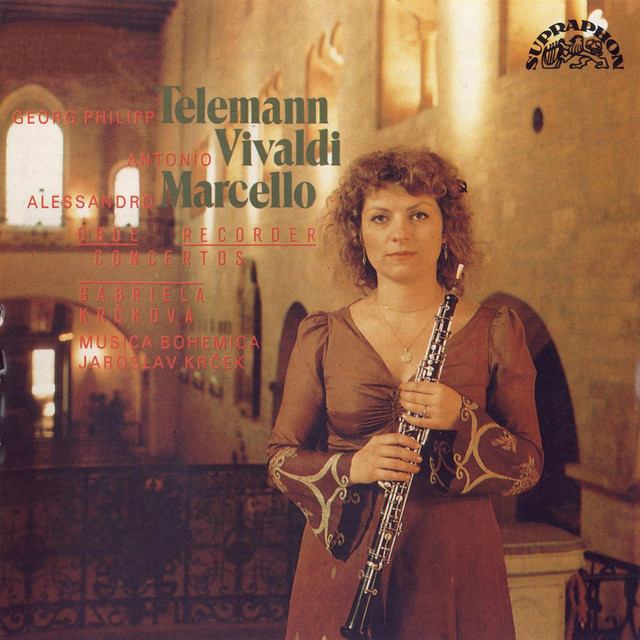
- Baroque foundations: The oboe thrives in the Baroque idiom, with composers such as Antonio Vivaldi contributing a substantial body of concertos that showcase its virtuosic and singing capabilities. George Frideric Handel and Johann Sebastian Bach also wrote works that positioned the oboe as a central solo and obbligato instrument. Alessandro Marcello’s Concerto in D minor, published in the late 17th century, remains a touchstone in the oboe repertoire.
- Classical to early Romantic growth: In the Classical period, the oboe gained prominence in concertos and symphonic writing, with composers of the Mannheim and wider German‑Austrian schools contributing pieces that exploited its expressive range. The instrument’s repertoire expanded with works by Carl Stamitz and others, and Mozart himself wrote evocative oboe parts in his orchestral music and in occasional concertante settings.
- 19th and 20th centuries: The instrument continued to evolve in technique and literature. In the 20th century, Hindemith’s Oboe Sonata and Benjamin Britten’s Six Metamorphoses after Ovid became key reference points for solo oboe, pushing the instrument into new technical and expressive territory. The oboe’s role in contemporary music exploded as composers embraced extended techniques and new textures, with performers commissioning and premiering a wealth of modern works.
Ambassadors and modern players
Among the most influential interpreters of the last century are Marcel Tabuteau, whose American teaching lineage helped establish a lush, lyrical English‑French hybrid school in the United States; and Heinz Holliger, a Swiss virtuoso and composer who expanded the instrument’s modern sound world through fearless technique and through expanding repertoire. In orchestras around the world, principal oboists—whether in the United States, the United Kingdom, Germany, or Japan—continue to define performance practice and inspire new generations of players.
Geographic footprint and popularity
Classical oboe enjoys deep roots in France, Italy, Germany, and Austria, with a strong tradition in the United Kingdom and the United States. Its influence is also felt in Japan, where a robust classical music scene supports professional oboists and education. Across Europe and beyond, festivals, conservatories, and orchestral programs maintain a vibrant ecosystem for oboe playing, pedagogy, and repertoire.
In sum, classical oboe is a living tradition: a centuries‑old voice that has grown from courtly French origins into a global instrument of expressive depth, technical challenge, and poignant, singer‑like storytelling.
Origins and birth of the instrument
The oboe emerged in the mid‑17th century in France, developing from the shawm into a more refined, skilled instrument for court and orchestral use. The French term hautbois—literally “high wood”—reflects its bright, piercing character. By the Baroque era, the oboe had become a standard member of orchestras and chamber ensembles, favored for cantabile melodies and expressive, cantabile lines. The instrument’s early literature was shaped by composers who trusted its lyrical capacity, its agility, and its ability to blend with strings while still shining through as a leading voice.
Repertoire and ambassadors through the ages
- Baroque foundations: The oboe thrives in the Baroque idiom, with composers such as Antonio Vivaldi contributing a substantial body of concertos that showcase its virtuosic and singing capabilities. George Frideric Handel and Johann Sebastian Bach also wrote works that positioned the oboe as a central solo and obbligato instrument. Alessandro Marcello’s Concerto in D minor, published in the late 17th century, remains a touchstone in the oboe repertoire.
- Classical to early Romantic growth: In the Classical period, the oboe gained prominence in concertos and symphonic writing, with composers of the Mannheim and wider German‑Austrian schools contributing pieces that exploited its expressive range. The instrument’s repertoire expanded with works by Carl Stamitz and others, and Mozart himself wrote evocative oboe parts in his orchestral music and in occasional concertante settings.
- 19th and 20th centuries: The instrument continued to evolve in technique and literature. In the 20th century, Hindemith’s Oboe Sonata and Benjamin Britten’s Six Metamorphoses after Ovid became key reference points for solo oboe, pushing the instrument into new technical and expressive territory. The oboe’s role in contemporary music exploded as composers embraced extended techniques and new textures, with performers commissioning and premiering a wealth of modern works.
Ambassadors and modern players
Among the most influential interpreters of the last century are Marcel Tabuteau, whose American teaching lineage helped establish a lush, lyrical English‑French hybrid school in the United States; and Heinz Holliger, a Swiss virtuoso and composer who expanded the instrument’s modern sound world through fearless technique and through expanding repertoire. In orchestras around the world, principal oboists—whether in the United States, the United Kingdom, Germany, or Japan—continue to define performance practice and inspire new generations of players.
Geographic footprint and popularity
Classical oboe enjoys deep roots in France, Italy, Germany, and Austria, with a strong tradition in the United Kingdom and the United States. Its influence is also felt in Japan, where a robust classical music scene supports professional oboists and education. Across Europe and beyond, festivals, conservatories, and orchestral programs maintain a vibrant ecosystem for oboe playing, pedagogy, and repertoire.
In sum, classical oboe is a living tradition: a centuries‑old voice that has grown from courtly French origins into a global instrument of expressive depth, technical challenge, and poignant, singer‑like storytelling.