Genre
classical saxophone
Top Classical saxophone Artists
Showing 25 of 63 artists






About Classical saxophone
Classical saxophone is the branch of saxophone playing that treats the instrument as a serious voice within the Western classical tradition. Born from Adolphe Sax’s invention in the 1840s—the saxophone was patented around 1846—this lineage quickly moved from military bands and salons into concert halls and academic curricula. Its early trajectory runs alongside the broader modern orchestral world: a bridge instrument that blends the brightness of brass with the lyric nuance of woodwinds, capable of both intimate solos and powerful, projecting lines in large ensembles.
The classical repertoire for saxophone bloomed across the 20th century. Solo works, concertos for saxophone and orchestra, and chamber music with piano or strings helped the instrument earn a legitimate place next to more established instruments. The repertoire is enriched by both original compositions and thoughtful transcriptions of earlier music. Notable mid‑20th‑century contributions include concertos and pieces by composers such as Eugène Bozza and Paul Creston, who recognized the instrument’s expressive potential and technical range. In addition to these, the saxophone’s modern voice has expanded dramatically through contemporary composers who continually push its techniques and timbres.
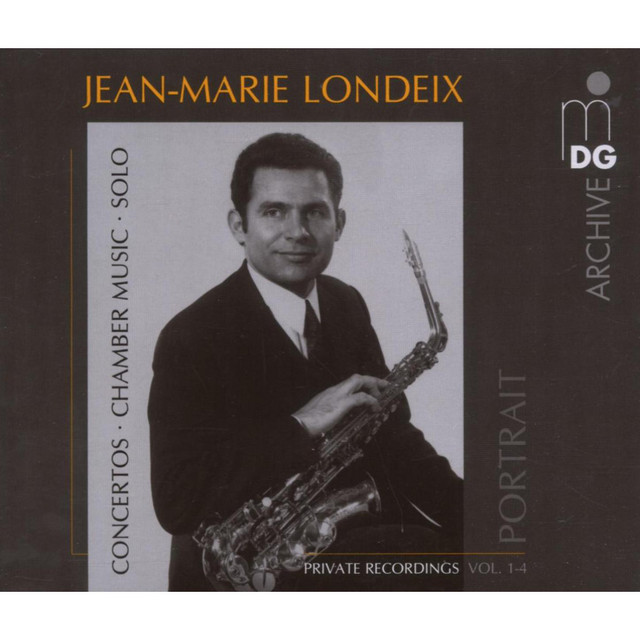
Key ambassadors and educators have shaped the instrument’s classical identity. Sigurd Raschèr, a towering figure in 20th‑century saxophone performance, helped establish an expansive solo repertoire and formed ensembles that expanded what the instrument could do in the concert hall. Marcel Mule, a legendary pedagogue at the Paris Conservatoire, and his successors helped codify a rigorous approach to tone, intonation, and phrasing that remains influential. Jean‑Marie Londeix, often regarded as the father of the modern classical saxophone technique, and Jean‑Yves Fourmeau are among the most respected performers and teachers of our era, continuing a strong European tradition of craftsmanship and musical leadership. In the United States and beyond, Eugene Rousseau has been central to pedagogy and performance, guiding generations of students toward a fluent classical idiom for the instrument. Together, these figures have built a culture of study, building a robust repertoire, orchestral and chamber opportunities, and a ready audience for concert saxophone.
Geographically, classical saxophone found its strongest roots in France, Germany, the United States, and the United Kingdom, with a flourishing scene in Japan and other parts of Asia as the instrument’s pedagogy spread. France remains a historic hub thanks to the early institutional adoption and a long lineage of French composers writing for the sax. In recent decades, saxophonists around the world have joined festivals, competitions, and ensembles—like saxophone quartets and the Raschèr‑style ensembles—that showcase a flexible, virtuosic, and expressive instrument capable of blending with strings, brass, or contemporary multimedia.
What makes classical saxophone distinctive is its ability to inhabit both intimate lyrical moments and large, ceremonious climaxes, often with a tone and color that can mimic other instruments or carve out a uniquely singing line. Its repertoire invites technical bravery, musical sensitivity, and a spirit of ongoing discovery—embracing new works while honoring a lineage of soloists and teachers who have proven that the saxophone belongs firmly in the classical concert tradition.
The classical repertoire for saxophone bloomed across the 20th century. Solo works, concertos for saxophone and orchestra, and chamber music with piano or strings helped the instrument earn a legitimate place next to more established instruments. The repertoire is enriched by both original compositions and thoughtful transcriptions of earlier music. Notable mid‑20th‑century contributions include concertos and pieces by composers such as Eugène Bozza and Paul Creston, who recognized the instrument’s expressive potential and technical range. In addition to these, the saxophone’s modern voice has expanded dramatically through contemporary composers who continually push its techniques and timbres.
Key ambassadors and educators have shaped the instrument’s classical identity. Sigurd Raschèr, a towering figure in 20th‑century saxophone performance, helped establish an expansive solo repertoire and formed ensembles that expanded what the instrument could do in the concert hall. Marcel Mule, a legendary pedagogue at the Paris Conservatoire, and his successors helped codify a rigorous approach to tone, intonation, and phrasing that remains influential. Jean‑Marie Londeix, often regarded as the father of the modern classical saxophone technique, and Jean‑Yves Fourmeau are among the most respected performers and teachers of our era, continuing a strong European tradition of craftsmanship and musical leadership. In the United States and beyond, Eugene Rousseau has been central to pedagogy and performance, guiding generations of students toward a fluent classical idiom for the instrument. Together, these figures have built a culture of study, building a robust repertoire, orchestral and chamber opportunities, and a ready audience for concert saxophone.
Geographically, classical saxophone found its strongest roots in France, Germany, the United States, and the United Kingdom, with a flourishing scene in Japan and other parts of Asia as the instrument’s pedagogy spread. France remains a historic hub thanks to the early institutional adoption and a long lineage of French composers writing for the sax. In recent decades, saxophonists around the world have joined festivals, competitions, and ensembles—like saxophone quartets and the Raschèr‑style ensembles—that showcase a flexible, virtuosic, and expressive instrument capable of blending with strings, brass, or contemporary multimedia.
What makes classical saxophone distinctive is its ability to inhabit both intimate lyrical moments and large, ceremonious climaxes, often with a tone and color that can mimic other instruments or carve out a uniquely singing line. Its repertoire invites technical bravery, musical sensitivity, and a spirit of ongoing discovery—embracing new works while honoring a lineage of soloists and teachers who have proven that the saxophone belongs firmly in the classical concert tradition.