Genre
corrido
Top Corrido Artists
Showing 25 of 1,557 artists



















About Corrido
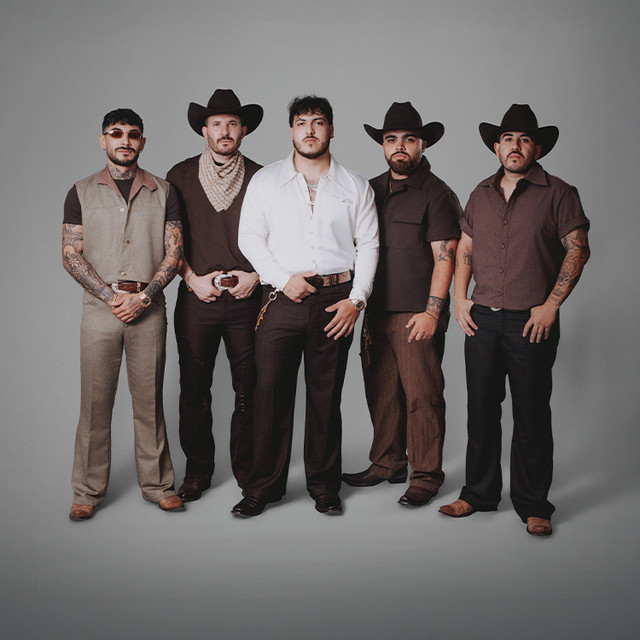
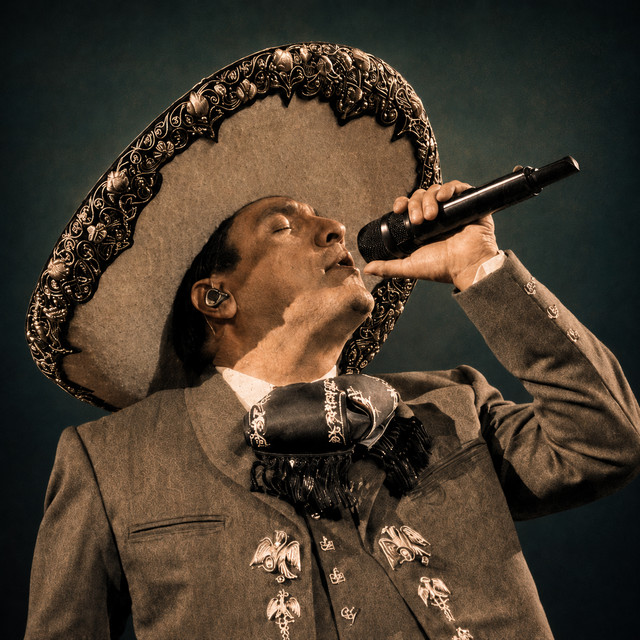
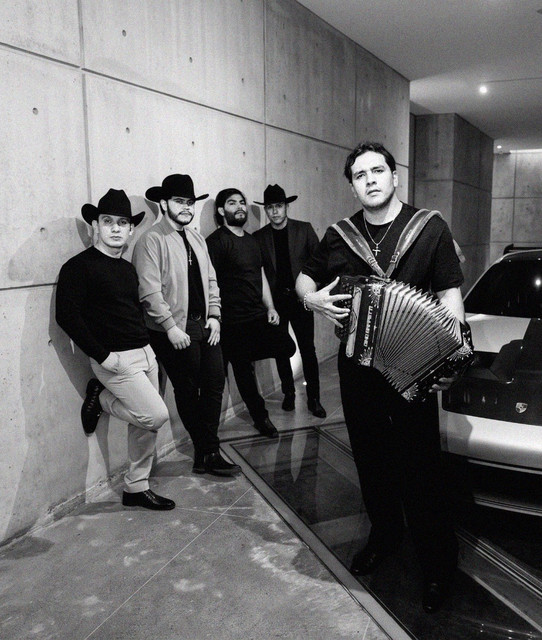
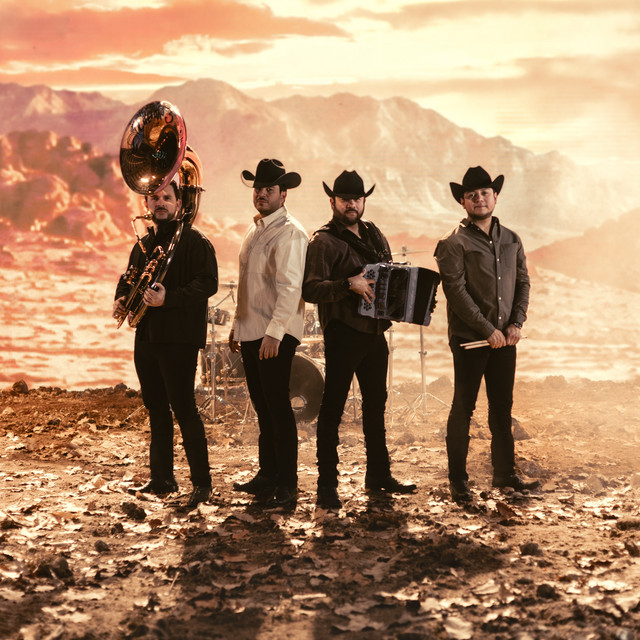
Corrido is a Mexican narrative song, a literary-leaning tradition set to music that functions as a portable chronicle of news, history, and everyday heroism. What makes corridos distinctive is their storytelling spine: a compact, often dramatic tale told in verse that invites listeners to relive events, characters, and social moods as they unfold. They can be lyrical ballads about daring feats, migrations, political upheavals, or local legends, with a strong sense of place that grounds the listener in a moment in time.
Historically, corridos emerged from the broader cantina and folk song traditions of rural Mexico in the 19th century. They became a primary means of spreading information in communities where newspapers were scarce and word of mouth traveled by horseback or wagon. The genre took on new urgency during the Mexican Revolution (roughly 1910–1920), when musicians transformed current events into vivid ballads that could be sung in plazas, markets, and on trains. Over the decades, corridos evolved as regional styles—a Norteño flavor with accordion and bajo sexto, a Mariachi-influenced variant, or a Banda-driven accompaniment—each adding its own timbre to the narrative.
Musically, corridos are typically sung in accessible melodies and straightforward harmonies, designed for easy participation and rapid memorization. They are frequently performed with ensembles associated with regional Mexican genres: Norteño (accordion, bajo sexto, acordeón), banda (brass-driven), or conjunto textures. The storytelling is the constant: the verses propel the plot, while a refrain or chorus reinforces the central event or moral. The language is direct and vivid, and the narrator’s voice can range from a commemorative chronicler to a call-and-response commentator.
Themes in corridos are broad and real-world: heroic deeds, battles, migrations, frontier justice, love, betrayal, and social injustice. A modern category, narcocorrido, explicitly centers on drug trafficking, cartel life, and the violence and allure surrounding it. While controversial for its sensationalism or alleged glamorization of crime, narcocorridos reflect a parallel social reality in many border communities and have sparked ongoing debates about censorship, journalism, and artistic responsibility.
Ambassadors and influential figures in corrido history include a lineage of artists who shaped the genre’s sound and reach. Early and enduring interpreters like Vicente Fernández and Antonio Aguilar helped bring traditional corrido storytelling to large audiences, while later generations expanded its scope. In contemporary times, Los Tigres del Norte stand as emblematic ambassadors of the corrido tradition, famous for songs that navigate immigration, border life, and social issues with a sharp, cinematic clarity. Chalino Sánchez became a defining voice of the modern narcocorrido, captivating audiences with stark, autobiographical storytelling. Other influential acts—Los Tucanes de Tijuana, Gerardo Ortiz, Lupillo Rivera, and Ariel Camacho—continued to push the form into new arrangements and regional fusions.
Corrido remains most popular in Mexico and among Mexican and Mexican-American communities across the United States, where border cities and diasporic networks foster ongoing exchange. Its relevance endures in festivals, cantinas, radio, and streaming playlists, where enthusiasts relish not only the music but the tradition of bearing witness through song. For the dedicated listener, a corrido offers both a gripping narrative and a window into collective memory, regional identity, and the evolving social landscape of the Spanish-speaking world.
Historically, corridos emerged from the broader cantina and folk song traditions of rural Mexico in the 19th century. They became a primary means of spreading information in communities where newspapers were scarce and word of mouth traveled by horseback or wagon. The genre took on new urgency during the Mexican Revolution (roughly 1910–1920), when musicians transformed current events into vivid ballads that could be sung in plazas, markets, and on trains. Over the decades, corridos evolved as regional styles—a Norteño flavor with accordion and bajo sexto, a Mariachi-influenced variant, or a Banda-driven accompaniment—each adding its own timbre to the narrative.
Musically, corridos are typically sung in accessible melodies and straightforward harmonies, designed for easy participation and rapid memorization. They are frequently performed with ensembles associated with regional Mexican genres: Norteño (accordion, bajo sexto, acordeón), banda (brass-driven), or conjunto textures. The storytelling is the constant: the verses propel the plot, while a refrain or chorus reinforces the central event or moral. The language is direct and vivid, and the narrator’s voice can range from a commemorative chronicler to a call-and-response commentator.
Themes in corridos are broad and real-world: heroic deeds, battles, migrations, frontier justice, love, betrayal, and social injustice. A modern category, narcocorrido, explicitly centers on drug trafficking, cartel life, and the violence and allure surrounding it. While controversial for its sensationalism or alleged glamorization of crime, narcocorridos reflect a parallel social reality in many border communities and have sparked ongoing debates about censorship, journalism, and artistic responsibility.
Ambassadors and influential figures in corrido history include a lineage of artists who shaped the genre’s sound and reach. Early and enduring interpreters like Vicente Fernández and Antonio Aguilar helped bring traditional corrido storytelling to large audiences, while later generations expanded its scope. In contemporary times, Los Tigres del Norte stand as emblematic ambassadors of the corrido tradition, famous for songs that navigate immigration, border life, and social issues with a sharp, cinematic clarity. Chalino Sánchez became a defining voice of the modern narcocorrido, captivating audiences with stark, autobiographical storytelling. Other influential acts—Los Tucanes de Tijuana, Gerardo Ortiz, Lupillo Rivera, and Ariel Camacho—continued to push the form into new arrangements and regional fusions.
Corrido remains most popular in Mexico and among Mexican and Mexican-American communities across the United States, where border cities and diasporic networks foster ongoing exchange. Its relevance endures in festivals, cantinas, radio, and streaming playlists, where enthusiasts relish not only the music but the tradition of bearing witness through song. For the dedicated listener, a corrido offers both a gripping narrative and a window into collective memory, regional identity, and the evolving social landscape of the Spanish-speaking world.