Genre
coupé décalé
Top Coupé décalé Artists
Showing 25 of 684 artists



About Coupé décalé
Coupé-Décalé is a high-octane, dance-forward music genre that grew out of Ivory Coast’s own nightclub culture and exploded onto the world stage in the early 2000s. Born in Abidjan’s vibrant party circuits, it emerged from a tight-knit community of DJs, dancers, and clubgoers who treated the night as a platform for performance, swagger, and self-promotion. The name itself signals the genre’s dual obsession with fashion and rhythm: coupé (a clipped, stylish cut) plus décalé (an offset, offbeat energy). Put together, they describe a sound and a dance vibe that feels both precise and playful, engineered for the floor and the spotlight.
Musically, coupé-décalé is built for immediacy and move-ability. Tracks are typically club-ready, punchy, and tempo-friendly, with electronic production that folds in Afro-urban grooves, infectious call-and-response chants, emphatic percussion, and bold brass or synthesized stabs. The tempo tends to sit in a danceable range that invites quick, showy footwork and a sense of theatrical performance. Over the years, it has absorbed and repackaged influences from zouk, makossa, and global pop, but its core remains the joyful, competitive energy of a hall filled with dancers who “bring the move” every night.
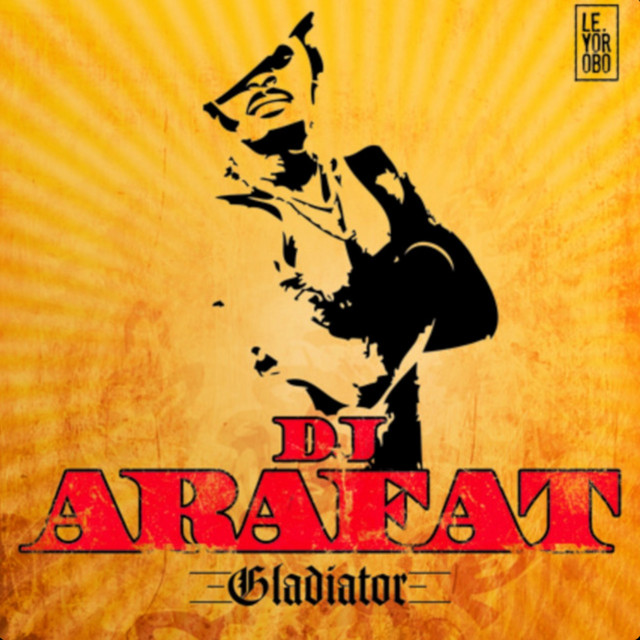
The genre’s rise has always been inseparable from its star-powered personalities. Among its most recognizable ambassadors are DJ Arafat (Anged Didier Huon), who became synonymous with coupé-décalé’s flamboyant energy and prolific output; Debordo Leekunfa, whose bold hooks and charismatic performances helped ferry the sound beyond Ivory Coast’s borders; and Serge Beynaud, a producer-performer who fused catchy melodies with sleek production to broaden the genre’s pop appeal. Other celebrated figures—each with their own signature dance, catchphrases, and fashion—helped turn coupé-décalé into a living, moving culture rather than a mere playlist.
Geographically, coupé-décalé is most popular in Ivory Coast and across Francophone West Africa, where the movement began and remains culturally dominant in urban nightlife. Its influence, however, has traveled with the Ivorian diaspora: large communities in France, Belgium, the Netherlands, Germany, and Canada have embraced the sound, staging concerts, club nights, and dance-offs that keep the repertoire growing. In many European cities, Paris in particular serves as a hub where diasporic Ivorians, other Africans, and francophone enthusiasts converge to celebrate the music, its fashion, and its dance battles. The genre also finds a footing in the broader global arena through online platforms, viral dance videos, and cross-genre collaborations, which invite new listeners to inhabit the culture and the choreography.
What sets coupé-décalé apart is its performative ethos: music is a catalyst for social display, fashion, and confident self-presentation. It is as much about the dance floor as about the track, and success is measured by the width of a smile, the precision of a move, and the ability to command a crowd with a signature style. For enthusiasts, coupé-décalé represents a vibrant snapshot of contemporary Ivorian urban creativity—a genre that keeps evolving, while staying unmistakably rooted in the dance floor’s electric pulse.
Musically, coupé-décalé is built for immediacy and move-ability. Tracks are typically club-ready, punchy, and tempo-friendly, with electronic production that folds in Afro-urban grooves, infectious call-and-response chants, emphatic percussion, and bold brass or synthesized stabs. The tempo tends to sit in a danceable range that invites quick, showy footwork and a sense of theatrical performance. Over the years, it has absorbed and repackaged influences from zouk, makossa, and global pop, but its core remains the joyful, competitive energy of a hall filled with dancers who “bring the move” every night.
The genre’s rise has always been inseparable from its star-powered personalities. Among its most recognizable ambassadors are DJ Arafat (Anged Didier Huon), who became synonymous with coupé-décalé’s flamboyant energy and prolific output; Debordo Leekunfa, whose bold hooks and charismatic performances helped ferry the sound beyond Ivory Coast’s borders; and Serge Beynaud, a producer-performer who fused catchy melodies with sleek production to broaden the genre’s pop appeal. Other celebrated figures—each with their own signature dance, catchphrases, and fashion—helped turn coupé-décalé into a living, moving culture rather than a mere playlist.
Geographically, coupé-décalé is most popular in Ivory Coast and across Francophone West Africa, where the movement began and remains culturally dominant in urban nightlife. Its influence, however, has traveled with the Ivorian diaspora: large communities in France, Belgium, the Netherlands, Germany, and Canada have embraced the sound, staging concerts, club nights, and dance-offs that keep the repertoire growing. In many European cities, Paris in particular serves as a hub where diasporic Ivorians, other Africans, and francophone enthusiasts converge to celebrate the music, its fashion, and its dance battles. The genre also finds a footing in the broader global arena through online platforms, viral dance videos, and cross-genre collaborations, which invite new listeners to inhabit the culture and the choreography.
What sets coupé-décalé apart is its performative ethos: music is a catalyst for social display, fashion, and confident self-presentation. It is as much about the dance floor as about the track, and success is measured by the width of a smile, the precision of a move, and the ability to command a crowd with a signature style. For enthusiasts, coupé-décalé represents a vibrant snapshot of contemporary Ivorian urban creativity—a genre that keeps evolving, while staying unmistakably rooted in the dance floor’s electric pulse.