Data may be outdated
Last updated: 1 month ago — Click refresh to get the latest statistics.
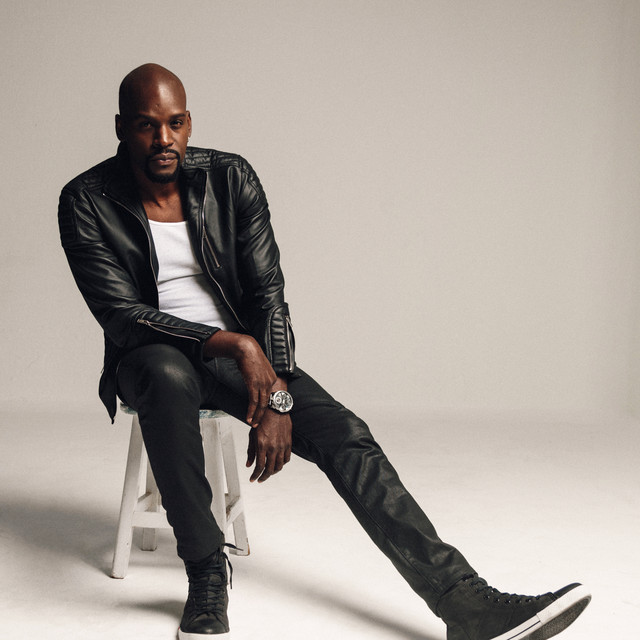
Born and raised in the Waterford district of Jamaica, Vybz Kartel (Adidja Azim Palmer) was in his teens when he released his first single, "Love Fat Woman," under the name Adi Banton. Three years later, in 1996, he formed Vibes Cartel with friends Mr. Lee and Escobar, but the group quickly dissolved. Kartel kept the group's name in altered form and became a solo artist. He soon became the protégé of popular dancehall singer <a href="spotify:artist:6UuT0BJZ9vF8Y1sxXnJl2s">Bounty Killer</a> and began writing for him and artists on <a href="spotify:artist:6UuT0BJZ9vF8Y1sxXnJl2s">BK</a>'s Alliance management roster, including <a href="spotify:artist:2JVtndACMU9u4hpL3TCoCl">Scare Dem Crew</a> featuring <a href="spotify:artist:6NOvBZrkd83MSD51xkq4on">Elephant Man</a>.
Kartel broke out on his own in 2002 with a string of solo hits including "Guns Like Mine," "Badman," and "Most High," along with some collaborative hits with reggae singer <a href="spotify:artist:1L9hOwgmwVUkUftkPH0JU1">Wayne Marshall</a>. Being crowned 2002 deejay of the year at the Stone Love Sound System's 30th anniversary party meant the singer had officially arrived among the Jamaican dancehall community, but a year later he broke on a worldwide level, releasing his debut Up 2 Di Time to wide acclaim while making headlines thanks to an on-stage clash with <a href="spotify:artist:6AOWTKUQBsRamW22wk4ptr">Ninjaman</a> during the Sting festival in Kartel's hometown of Portmore. The planned clash was highly anticipated, but chaos resulted from physical altercations leading to numerous arrests. Kartel made a public apology and announced a truce with <a href="spotify:artist:6AOWTKUQBsRamW22wk4ptr">Ninjaman</a> during a press conference held four days after the festival.
Timeless and More Up 2 Di Time landed in 2004, the same year Kartel was nominated for a MOBO award in the U.K., although the nomination was withdrawn (along with those of <a href="spotify:artist:4L3GTE04bW5N7azA9QPhjA">Beenie Man</a> and <a href="spotify:artist:72T7x96EAqN2UWvAgobYfv">Sizzla</a>) over concerns with lyrics representing homophobia. Kartel's J.M.T. album, along with featured appearances on tracks by <a href="spotify:artist:5pKCCKE2ajJHZ9KAiaK11H">Rihanna</a> and <a href="spotify:artist:2wIVse2owClT7go1WT98tk">Missy Elliott</a>, dropped in 2005, but that year saw as many headlines as it did hit records when Kartel and <a href="spotify:artist:6UuT0BJZ9vF8Y1sxXnJl2s">Bounty Killer</a> fell out. The two artists traded insults in the Jamaican press as accusations regarding personal matters and bogus songwriting credits flew. Kartel was out of the <a href="spotify:artist:6UuT0BJZ9vF8Y1sxXnJl2s">Killer</a>-led Alliance organization a year later, and immediately joined forces with one of <a href="spotify:artist:6UuT0BJZ9vF8Y1sxXnJl2s">Bounty</a>'s biggest enemies, <a href="spotify:artist:4L3GTE04bW5N7azA9QPhjA">Beenie Man</a>. He then released a series of diss tracks aimed at <a href="spotify:artist:6UuT0BJZ9vF8Y1sxXnJl2s">Bounty Killer</a>'s new protégé.
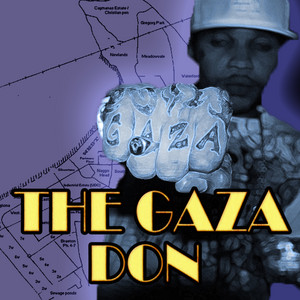
The next few years were filled with more diss tracks and gossip as young dancehall fans chose sides, declaring themselves Gaza if their allegiance was with Kartel, and Gully if they sided with <a href="spotify:artist:0eezS9KmhdjGN436RdTIXu">Mavado</a>. A truce was announced in late 2007, but the matter escalated during 2008, and in 2009 Kartel released his "Live We Living" single as a call for peace. He also stepped outside his usual genre that year, and partnered with electro producer <a href="spotify:artist:5fMUXHkw8R8eOP2RNVYEZX">Diplo</a> for a track on the <a href="spotify:artist:738wLrAtLtCtFOLvQBXOXp">Major Lazer</a> album Guns Don't Kill People...Lazers Do. Back home, fans became so divided into Gaza and Gully camps that the tension inspired gang violence, prompting Jamaican Prime Minister Bruce Golding to call both artists to the capitol for a peace meeting. A peace concert featuring the two artists was planned for early that next year, but was canceled by the country's Minister of Culture.
Also in 2009, the single "Clarks" became a huge hit for Kartel and spawned two follow-up singles about the shoe brand that also climbed the charts. The 2010 album Pon Di Gaza 2.0 produced the hits "Ramping Shop" and "Life Sweet." In 2011 Vybz would release the Kingston Story album with Brooklyn house music producer Dre Skull handling the beats. Kartel was arrested in September of that year and charged with the murder of Barrington "Bosie" Burton, a music promoter based in the St. Catherine suburb of Portmore. In America, the <a href="spotify:search:label%3A%22Vice%22">Vice</a> label issued a deluxe version of Kingston Story in 2012, and even though Kartel made bail on the Burton murder charge, he remained jailed based on new charges in connection with the murder of alleged gang member Clive "Lizard" Williams.
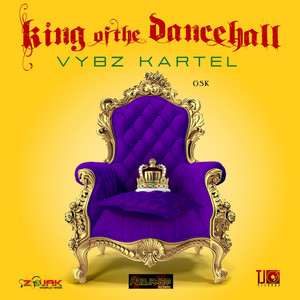
In early 2014, Kartel was sentenced to life imprisonment, but was allowed to record while incarcerated. Music continued to reach the streets. King of the Dancehall, released in 2016, peaked at number two on Billboard's reggae chart -- a career high for the deejay -- thanks in part to the popularity of the single "Fever." The albums To Tanesha and Of Dons & Divas both followed in 2020. The latter became Kartel's fifth Top Ten reggae album in the U.S. Born Fi Dis was released in 2021, the same year Kartel issued X-Rated, the first in a handful of EPs the deejay unloaded over the next few years. Kartel's murder conviction was overturned in March 2024. First Week Out, a mixtape that gathered loose tracks, followed shortly thereafter. ~ David Jeffries & Andy Kellman, Rovi
Monthly Listeners
4.5 million
Monthly Listeners History
Track the evolution of monthly listeners over the last 28 days.
Followers
2.6 million
Followers History
Track the evolution of followers over the last 28 days.
Total Streams
2.6 billion
Total Streams History
Track the evolution of total streams over the last 28 days. This data is calculated from all tracks listed in the artist's discography.
Top Cities


Related Artists
Aidonia

Kraff Gad
NIGY BOY
Ayetian

Anju Blaxx
DING DONG
Armanii
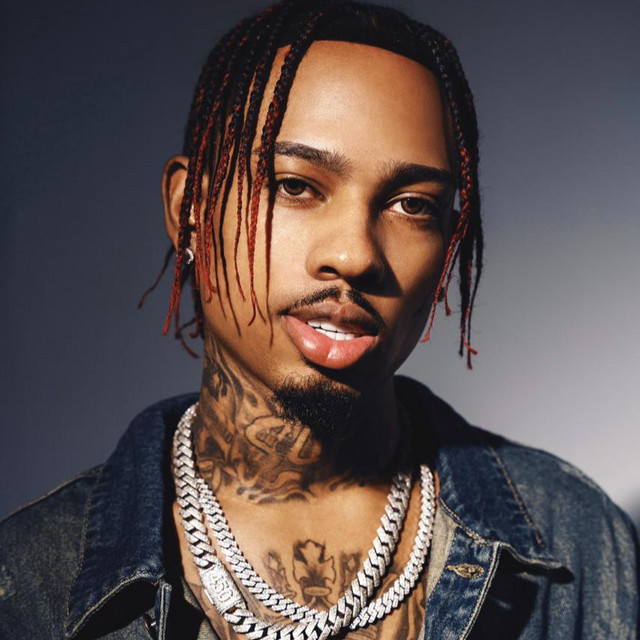
450





![Victory [Radio Edit]](https://i.scdn.co/image/ab67616d00001e02637d093a66888265e4497dd9)