Genre
deathrock
Top Deathrock Artists
Showing 25 of 1,530 artists


About Deathrock
Deathrock is a bruising, theater-ready subset of post-punk that fuses punk urgency with horror-film aesthetics, macabre imagery, and a DIY, low-fi production ethos. It rose in the early 1980s out of punk-adjacent scenes in the United States and the United Kingdom, crystallizing a sound and look that felt both aggressively immediate and theatrically haunted. If goth rock is the moodier, more contemplative side of the scene, deathrock is its punchier, sometimes faster sibling—driven by serrated guitars, pounding drums, and a predilection for mortality, occult iconography, and B-movie splatter visuals.
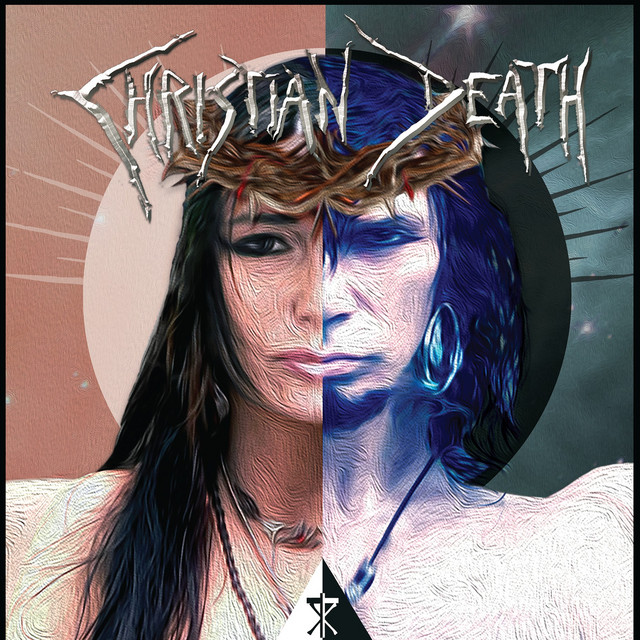
Origin and birth: the LA scene is widely cited as a birthplace for deathrock’s sensibility. Christian Death, formed in 1979 by Rozz Williams (and later driven by Valor Kand after Williams’s departure), became one of the movement’s most influential acts. Their early work fused punk ferocity with stagey horror imagery, shaping a template that countless bands would echo. The 1982 release Only Theatre of Pain is often celebrated as a touchstone for the era’s sound and aesthetic, blending cadaverous romance with volatile punk energy. Parallel and complementary currents emerged on the other side of the Atlantic. In the UK, groups such as Specimen and Sex Gang Children—bands associated with the broader post-punk/gothic milieu—contributed to a deathrock-inflected mood: smoky clubs, theatrical costumes, and a fascination with death and ritual that fed into the era’s darker undercurrents.
Key artists and ambassadors: if you want a short list of flag-bearers, start with Rozz Williams and Christian Death, whose early records are still invoked as defining statements. Dinah Cancer of 45 Grave offered a starkly punk-informed take on horror aesthetics from the LA scene, helping to anchor the deathrock vibe in a more immediate, DIY approach. In the UK, Specimen and Sex Gang Children are frequently cited as contemporaries who helped disseminate the deathrock ethos beyond the American coastline. These acts—along with others in the post-punk and early gothic circles—emphasized provocative stagecraft, corpse-paint visuals, theatrical shadows, and an embrace of deathly iconography that set deathrock apart from its peers.
regional popularity: deathrock’s strongest concentrations have historically been the United States, particularly in Los Angeles, and the United Kingdom. The look and sound found sympathetic audiences across Western Europe—Germany, Italy, and Spain among them—where clubs and independent labels kept the flame alive. Today, the term remains a descriptive badge used by enthusiasts to discuss a specific archival strain of early goth/post-punk that leans harder into speed, horror imagery, and punk minimalism. While not as commercially dominant as some related genres, deathrock persists as a vibrant subculture with dedicated fanbases, reissues, compilations, and revival shows that celebrate its visceral, horror-infused lineage.
Sound and aesthetic: expect brisk tempos, tremolo-picked guitars, reverb-drenched basslines, and drums that clap with punk immediacy. Vocals range from snarled and urgent to theatrical and mournful, often riding a lo-fi, sometimes loopy production palette that enhances the sense of ritual and atmosphere. Lyrically, deathrock luxuriates in morbidity, mortality, occult motifs, and a love of campy horror, delivering a sense of danger that’s as much cinematic as musical.
In short, deathrock is a historically specific, sonically charged thread of the post-punk tapestry—part horror cinema, part street-punk, and always unapologetically theatrical. For enthusiasts, it’s a doorway to a lineage where the macabre and the punk meet, and where the stagecraft is as vital as the music itself.
Origin and birth: the LA scene is widely cited as a birthplace for deathrock’s sensibility. Christian Death, formed in 1979 by Rozz Williams (and later driven by Valor Kand after Williams’s departure), became one of the movement’s most influential acts. Their early work fused punk ferocity with stagey horror imagery, shaping a template that countless bands would echo. The 1982 release Only Theatre of Pain is often celebrated as a touchstone for the era’s sound and aesthetic, blending cadaverous romance with volatile punk energy. Parallel and complementary currents emerged on the other side of the Atlantic. In the UK, groups such as Specimen and Sex Gang Children—bands associated with the broader post-punk/gothic milieu—contributed to a deathrock-inflected mood: smoky clubs, theatrical costumes, and a fascination with death and ritual that fed into the era’s darker undercurrents.
Key artists and ambassadors: if you want a short list of flag-bearers, start with Rozz Williams and Christian Death, whose early records are still invoked as defining statements. Dinah Cancer of 45 Grave offered a starkly punk-informed take on horror aesthetics from the LA scene, helping to anchor the deathrock vibe in a more immediate, DIY approach. In the UK, Specimen and Sex Gang Children are frequently cited as contemporaries who helped disseminate the deathrock ethos beyond the American coastline. These acts—along with others in the post-punk and early gothic circles—emphasized provocative stagecraft, corpse-paint visuals, theatrical shadows, and an embrace of deathly iconography that set deathrock apart from its peers.
regional popularity: deathrock’s strongest concentrations have historically been the United States, particularly in Los Angeles, and the United Kingdom. The look and sound found sympathetic audiences across Western Europe—Germany, Italy, and Spain among them—where clubs and independent labels kept the flame alive. Today, the term remains a descriptive badge used by enthusiasts to discuss a specific archival strain of early goth/post-punk that leans harder into speed, horror imagery, and punk minimalism. While not as commercially dominant as some related genres, deathrock persists as a vibrant subculture with dedicated fanbases, reissues, compilations, and revival shows that celebrate its visceral, horror-infused lineage.
Sound and aesthetic: expect brisk tempos, tremolo-picked guitars, reverb-drenched basslines, and drums that clap with punk immediacy. Vocals range from snarled and urgent to theatrical and mournful, often riding a lo-fi, sometimes loopy production palette that enhances the sense of ritual and atmosphere. Lyrically, deathrock luxuriates in morbidity, mortality, occult motifs, and a love of campy horror, delivering a sense of danger that’s as much cinematic as musical.
In short, deathrock is a historically specific, sonically charged thread of the post-punk tapestry—part horror cinema, part street-punk, and always unapologetically theatrical. For enthusiasts, it’s a doorway to a lineage where the macabre and the punk meet, and where the stagecraft is as vital as the music itself.