Genre
dfw rap
Top Dfw rap Artists
Showing 25 of 49 artists



About Dfw rap
DFW rap refers to the hip-hop scene that emerged from the Dallas–Fort Worth metroplex in North Texas. Born from the late-2000s wave of Southern street rap, trap, and the broader regional mixtape culture, it gradually coalesced into a distinct sound and local ecosystem. As streaming and social media rewired how artists reach listeners, DFW rap matured from underground buzz to a recognizable regional identity, while still feeding off the global currents of Southern hip-hop and trap.
The genesis of DFW rap lies in a dense network of clubs, open mics, and independent labels across Dallas, Fort Worth, and surrounding cities. Local crews and storefront studios became incubators for gritty stories and hard-hitting production. The region’s diversity—urban cores, suburban neighborhoods, and Texas’ cross-border influences—helped sculpt a sound that could be both club-ready and street-focused. Its rise coincided with the broader “trap era” of the 2010s, but with a Dallas–Fort Worth flavor: lean, punchy bars, 808-heavy drums, and a delivery that could swing from matter-of-fact to melodic. Internet distribution accelerated this growth, letting regional artists connect with fans outside Texas and feed a constant stream of mixtapes, singles, and collaborations.
Musically, DFW rap favors strong, bass-forward production, often built around crisp hi-hats, heavy kicks, and simple, memorable melodies. The flow ranges from economical, almost spoken-word cadences to more expressive, sing-song hooks. Lyrically, the themes are rooted in street life, hustle, loyalty, family, and personal resilience, yet many artists also push more introspective or celebratory takes—the result is a gritty realism balanced by moments of vulnerability and swagger. The aesthetic can be minimalist, club-oriented, or cinematic, reflecting the region’s cityscape and the varied backgrounds of its artists.
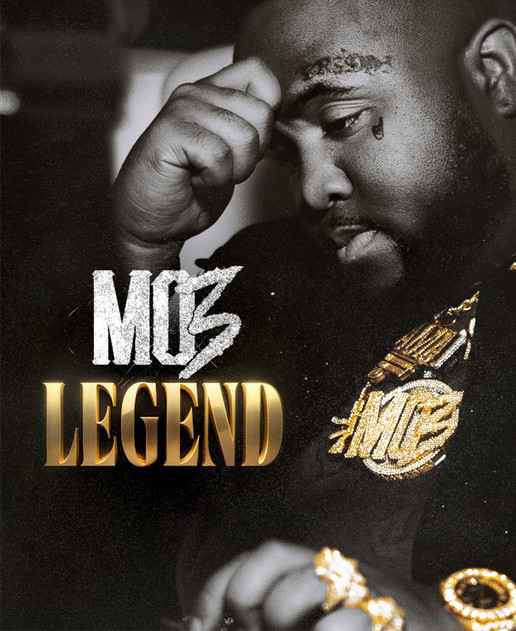
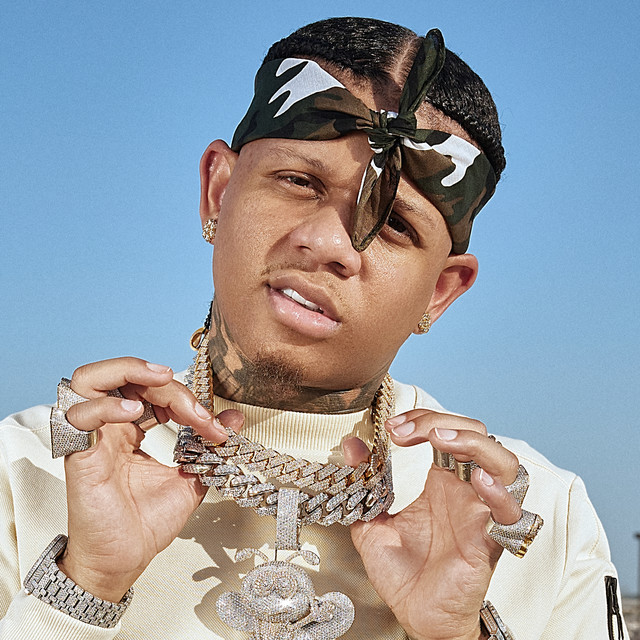
In terms of ambassadors and notable figures, the Dallas–Fort Worth scene has produced several artists who helped popularize the sound beyond local venues. Some widely recognized names associated with DFW rap include Moe 3, Trapboy Freddy, and Yella Beezy. Moe 3 is known for his emotive, melodic approach to street storytelling; Trapboy Freddy has been noted for hard-edged narratives and street-level grit; Yella Beezy rose to broader national spotlight with club-ready records and a knack for catchy, radio-friendly hooks. These artists, along with a broader network of producers, DJs, and independent labels, have helped bring DFW rap into conversations about contemporary Southern rap, both in Texas and on national streaming platforms.
Globally, DFW rap remains strongest in the United States, especially within Texas and nearby Southern markets, but streaming has connected Dallas–Fort Worth acts with audiences in Canada, Europe, and beyond. International listeners often discover the sound through playlists, collaborations, and cross-genre mixes that highlight the region’s trap-inflected energy and street narratives.
For enthusiasts, exploring DFW rap means diving into local mixtapes, city-specific storytelling, and production that blends gritty realism with big-room energy. It’s an evolving scene that stays rooted in its community while quietly feeding into the larger, global appetite for Southern rap’s latest flavors.
The genesis of DFW rap lies in a dense network of clubs, open mics, and independent labels across Dallas, Fort Worth, and surrounding cities. Local crews and storefront studios became incubators for gritty stories and hard-hitting production. The region’s diversity—urban cores, suburban neighborhoods, and Texas’ cross-border influences—helped sculpt a sound that could be both club-ready and street-focused. Its rise coincided with the broader “trap era” of the 2010s, but with a Dallas–Fort Worth flavor: lean, punchy bars, 808-heavy drums, and a delivery that could swing from matter-of-fact to melodic. Internet distribution accelerated this growth, letting regional artists connect with fans outside Texas and feed a constant stream of mixtapes, singles, and collaborations.
Musically, DFW rap favors strong, bass-forward production, often built around crisp hi-hats, heavy kicks, and simple, memorable melodies. The flow ranges from economical, almost spoken-word cadences to more expressive, sing-song hooks. Lyrically, the themes are rooted in street life, hustle, loyalty, family, and personal resilience, yet many artists also push more introspective or celebratory takes—the result is a gritty realism balanced by moments of vulnerability and swagger. The aesthetic can be minimalist, club-oriented, or cinematic, reflecting the region’s cityscape and the varied backgrounds of its artists.
In terms of ambassadors and notable figures, the Dallas–Fort Worth scene has produced several artists who helped popularize the sound beyond local venues. Some widely recognized names associated with DFW rap include Moe 3, Trapboy Freddy, and Yella Beezy. Moe 3 is known for his emotive, melodic approach to street storytelling; Trapboy Freddy has been noted for hard-edged narratives and street-level grit; Yella Beezy rose to broader national spotlight with club-ready records and a knack for catchy, radio-friendly hooks. These artists, along with a broader network of producers, DJs, and independent labels, have helped bring DFW rap into conversations about contemporary Southern rap, both in Texas and on national streaming platforms.
Globally, DFW rap remains strongest in the United States, especially within Texas and nearby Southern markets, but streaming has connected Dallas–Fort Worth acts with audiences in Canada, Europe, and beyond. International listeners often discover the sound through playlists, collaborations, and cross-genre mixes that highlight the region’s trap-inflected energy and street narratives.
For enthusiasts, exploring DFW rap means diving into local mixtapes, city-specific storytelling, and production that blends gritty realism with big-room energy. It’s an evolving scene that stays rooted in its community while quietly feeding into the larger, global appetite for Southern rap’s latest flavors.