Genre
digital hardcore
Top Digital hardcore Artists
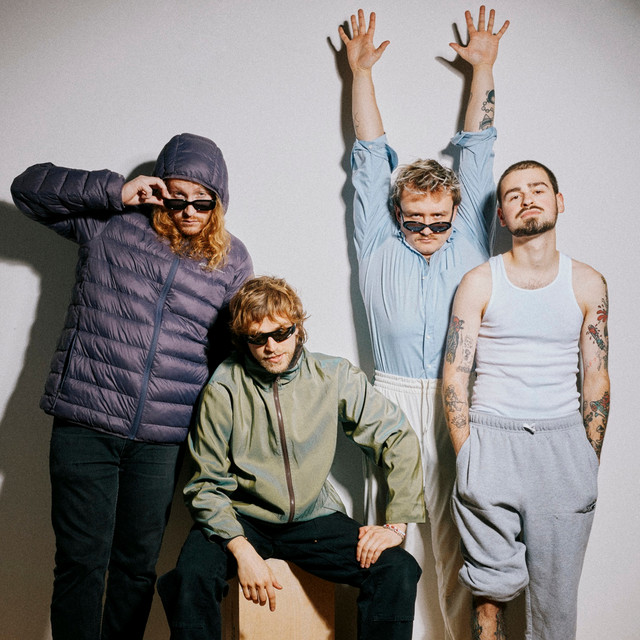
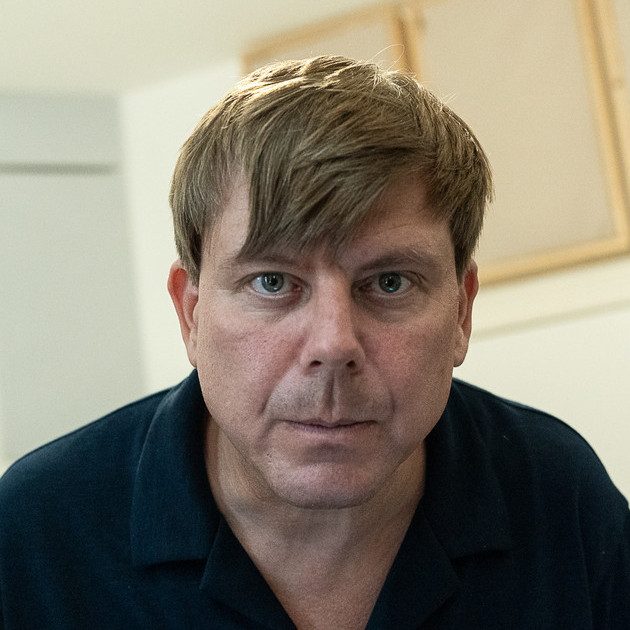
Showing 2 of 2 artists
About Digital hardcore
Digital hardcore is a ferocious fusion of hardcore techno, industrial, and punk that emerged in the mid-1990s and quickly became one of electronic music’s most confrontational subgenres. It is defined as much by its political edge and DIY attitude as by its soundtrack: digital distortion, breakbeats pushed into hyper-accelerated tempos, shredded guitars, serrated synths, and shouted vocals that bite back at consumer culture, authority, and mainstream rock attitudes. The sound treats the computer as a weapon and the studio as a stage—where digital glitches, crackling samples, and brutal compression collide to create a wall of noise that still carries a rebellious, almost punk-like urgency.
The roots lie in the European underground, with Berlin at the heart of the scene. A pivotal figure was Alec Empire, whose band Atari Teenage Riot fused ferocious punk sensibility with hardcore techno and industrial textures. In 1994 Empire launched Digital Hardcore Recordings (DHR) as a platform to document and promote this aggressive, boundary-crossing approach. The collaboration between Empire and ATR helped define the genre’s ethos: fast, loud, politically charged, and unapologetically anti-commercial. The late 1990s saw a broader wave of producers and DJs drawing from the same bucket of sounds, extending the reach of digital hardcore beyond its Berlin origin into other European centers and beyond.
What makes digital hardcore distinctive is not only tempo and texture but its aesthetic and intent. Tracks routinely sit around 160–210 BPM, with distorted guitars, heavy hitting drums, and samples ranging from punk slogans to sci-fi import voices. The production favors a ruthless, high-energy compression that makes even the shortest tracks hit like a kick to the chest. The result is music that feels both mechanical and malevolent, as if the machine itself were staging a revolt. It’s music designed for clubs, raves, and mid‑paced warehouse floors, but it’s also designed to be listened to with the intensity of a live punk show.
Ambassadors of the genre include Alec Empire and Atari Teenage Riot, whose early work crystallized what digital hardcore could be: an art form that refused to soften its ideas for mass appeal. Beyond ATR, the scene grew around the Digital Hardcore label’s roster and the collective energy of European producers who carried the banner into breakcore, industrial techno, and noise. Panacea, a notable German producer, helped keep the sound dynamic through the late 1990s and into the 2000s, joining a lineage of artists who pushed the edges of what could be achieved within this framework.
Geographically, the scene has been strongest in Germany and the United Kingdom, where the culture of raves, squat-parties, and independent labels could sustain the most fervent fanbases. Japan developed a dedicated, if more niche, audience as well, drawn to the extreme tempo and abrasive, cinematic textures. North America has hosted smaller, scattered communities and occasional festivals, but the core of digital hardcore remains European and European-adjacent, fed by a robust network of labels, collectives, and clubs.
If you’re chasing a sound that fuses aggression with electronic complexity, digital hardcore offers a visceral, uncompromising landscape. It pays homage to punk’s bite while exploiting the modern toolkit of digital production, making it a crucial bridge between the early ‘90s undergrounds and today’s more expansive, genre-blurring electronic music.
The roots lie in the European underground, with Berlin at the heart of the scene. A pivotal figure was Alec Empire, whose band Atari Teenage Riot fused ferocious punk sensibility with hardcore techno and industrial textures. In 1994 Empire launched Digital Hardcore Recordings (DHR) as a platform to document and promote this aggressive, boundary-crossing approach. The collaboration between Empire and ATR helped define the genre’s ethos: fast, loud, politically charged, and unapologetically anti-commercial. The late 1990s saw a broader wave of producers and DJs drawing from the same bucket of sounds, extending the reach of digital hardcore beyond its Berlin origin into other European centers and beyond.
What makes digital hardcore distinctive is not only tempo and texture but its aesthetic and intent. Tracks routinely sit around 160–210 BPM, with distorted guitars, heavy hitting drums, and samples ranging from punk slogans to sci-fi import voices. The production favors a ruthless, high-energy compression that makes even the shortest tracks hit like a kick to the chest. The result is music that feels both mechanical and malevolent, as if the machine itself were staging a revolt. It’s music designed for clubs, raves, and mid‑paced warehouse floors, but it’s also designed to be listened to with the intensity of a live punk show.
Ambassadors of the genre include Alec Empire and Atari Teenage Riot, whose early work crystallized what digital hardcore could be: an art form that refused to soften its ideas for mass appeal. Beyond ATR, the scene grew around the Digital Hardcore label’s roster and the collective energy of European producers who carried the banner into breakcore, industrial techno, and noise. Panacea, a notable German producer, helped keep the sound dynamic through the late 1990s and into the 2000s, joining a lineage of artists who pushed the edges of what could be achieved within this framework.
Geographically, the scene has been strongest in Germany and the United Kingdom, where the culture of raves, squat-parties, and independent labels could sustain the most fervent fanbases. Japan developed a dedicated, if more niche, audience as well, drawn to the extreme tempo and abrasive, cinematic textures. North America has hosted smaller, scattered communities and occasional festivals, but the core of digital hardcore remains European and European-adjacent, fed by a robust network of labels, collectives, and clubs.
If you’re chasing a sound that fuses aggression with electronic complexity, digital hardcore offers a visceral, uncompromising landscape. It pays homage to punk’s bite while exploiting the modern toolkit of digital production, making it a crucial bridge between the early ‘90s undergrounds and today’s more expansive, genre-blurring electronic music.