Genre
doujin
Top Doujin Artists
Showing 21 of 21 artists
2

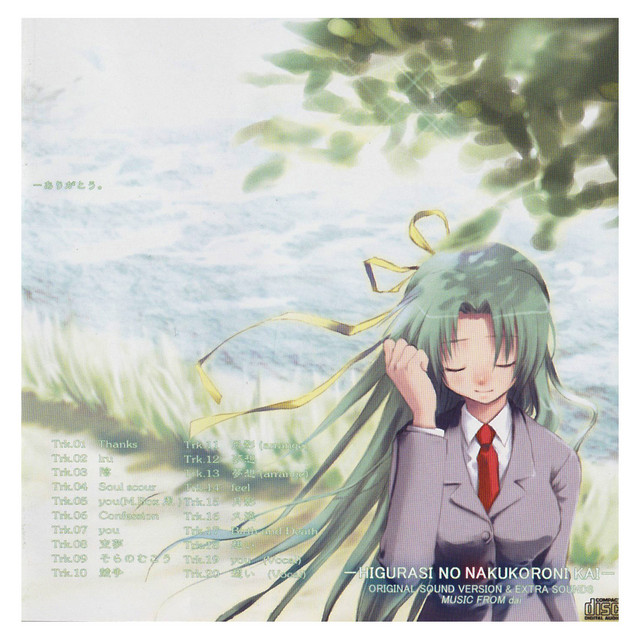
藍月なくる
26,079
38,371 listeners
4

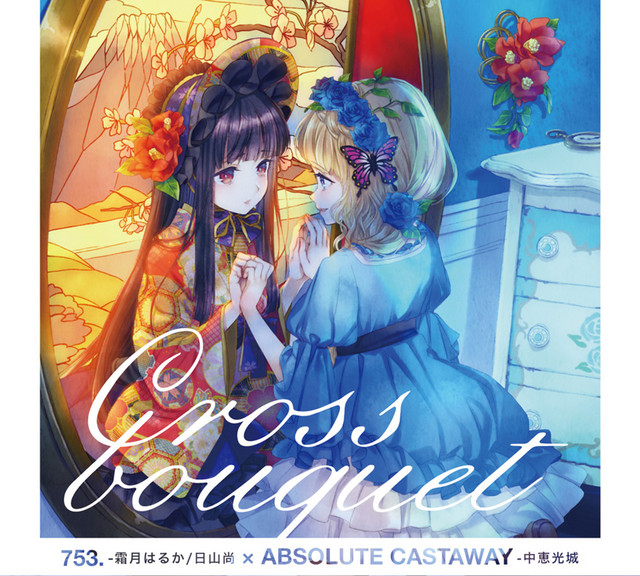
棗いつき
Japan
14,188
23,878 listeners






17

矢鴇つかさ
777
171 listeners


About Doujin
Doujin music is a vibrant slice of Japan’s broader doujin culture: self-published, fan-driven music produced by independent circles and released outside the mainstream music industry. Far from a single sound, it’s a umbrella term for a DIY ethos that spans electronic, trance, pop, chiptune, drum and bass, ambient, rock and beyond. The genre thrives on courage to experiment, collaboration between creators, and a fan base that consumes and distributes music through intimate channels rather than major labels.
Origins and birth
Doujin culture grew out of the postwar doujinshi scene—self-published fanzines that blossomed into a full-blown ecosystem by the 1980s and 1990s. The music branch emerged when hobbyist composers and musicians began releasing their tracks on homemade CDs, at conventions, and through mail-order shops. The real catalyst for the doujin music scene was the late 1990s to early 2000s escalation of PC-based music production and the growth of fan communities around popular franchises. The Touhou Project, a long-running shoot-’em-up series created by ZUN, became the anchor for countless doujin releases: its soundtrack inspired thousands of arrangements, remixes, and new compositions created by independent circles. This ecosystem—comics, games, and music—coalesced into a thriving subculture centered on events like Comic Market (Comiket), Music Market (M3), and specialized Touhou events, where circles showcase physical CDs and collaborate with fellow artists.
What the genre sounds like
Doujin music is characterized by its diversity and immediacy. You’ll hear everything from high-energy trance and hardcore to melodic vocal arrangements, loungey house, and experimental microgenres. Many tracks exist as “arrangements” of existing game or anime soundtracks, reinterpreting familiar melodies with novel rhythms, synth textures, and new vocal lines. It’s also common to find original compositions published by circles that emphasize bold sound design, chiptune aesthetics, and responsive, punchy production. The community often blends visual art, cosplay, and fan videos, so music frequently exists as part of a larger multimedia release.
Notable circles and ambassadors
- IOSYS: one of the most recognizable faces of doujin music, known for large-scale Touhou remixes and multimedia projects that helped bring doujin sound to a wider audience.
- Alstroemeria Records: a leading label/circle integral to the Touhou and J-core soundscape, releasing polished electronic tracks and compilations.
- EastNewSound: a prolific circle famous for energetic, club-ready tracks and a steady stream of electronic releases.
- Shibayan Records: recognized for its melodic, polished productions and collaborations across the doujin scene.
Where it’s popular and how it travels
In Japan, doujin music is a mainstream subculture with a robust ecosystem of events, shops, and online communities. It’s also strong in East Asia—Taiwan, China, Hong Kong, and Korea host vibrant fan communities and local events. Internationally, it has a growing footprint: fans in Europe and North America engage through Bandcamp, YouTube, and Bandcamp-embedded shops, while Nico Nico Douga and other video platforms helped bootstrap early international exposure. The genre’s accessibility—low barriers to entry, online sharing, and frequent collaboration—keeps it dynamic and continually evolving.
Why it matters
Doujin music embodies a distinctive DIY spirit: artists retain control, publish incrementally, and build communities around shared loves—game soundtracks, anime aesthetics, and electronic experimentation. It has helped incubate new production techniques, cross-cultural collaboration, and a model for independent music in the digital era. For enthusiasts, it’s not just listening; it’s a culture of discovery, remix culture, and participatory fandom that keeps pushing the boundaries of what a “genre” can be when fans become creators.
Origins and birth
Doujin culture grew out of the postwar doujinshi scene—self-published fanzines that blossomed into a full-blown ecosystem by the 1980s and 1990s. The music branch emerged when hobbyist composers and musicians began releasing their tracks on homemade CDs, at conventions, and through mail-order shops. The real catalyst for the doujin music scene was the late 1990s to early 2000s escalation of PC-based music production and the growth of fan communities around popular franchises. The Touhou Project, a long-running shoot-’em-up series created by ZUN, became the anchor for countless doujin releases: its soundtrack inspired thousands of arrangements, remixes, and new compositions created by independent circles. This ecosystem—comics, games, and music—coalesced into a thriving subculture centered on events like Comic Market (Comiket), Music Market (M3), and specialized Touhou events, where circles showcase physical CDs and collaborate with fellow artists.
What the genre sounds like
Doujin music is characterized by its diversity and immediacy. You’ll hear everything from high-energy trance and hardcore to melodic vocal arrangements, loungey house, and experimental microgenres. Many tracks exist as “arrangements” of existing game or anime soundtracks, reinterpreting familiar melodies with novel rhythms, synth textures, and new vocal lines. It’s also common to find original compositions published by circles that emphasize bold sound design, chiptune aesthetics, and responsive, punchy production. The community often blends visual art, cosplay, and fan videos, so music frequently exists as part of a larger multimedia release.
Notable circles and ambassadors
- IOSYS: one of the most recognizable faces of doujin music, known for large-scale Touhou remixes and multimedia projects that helped bring doujin sound to a wider audience.
- Alstroemeria Records: a leading label/circle integral to the Touhou and J-core soundscape, releasing polished electronic tracks and compilations.
- EastNewSound: a prolific circle famous for energetic, club-ready tracks and a steady stream of electronic releases.
- Shibayan Records: recognized for its melodic, polished productions and collaborations across the doujin scene.
Where it’s popular and how it travels
In Japan, doujin music is a mainstream subculture with a robust ecosystem of events, shops, and online communities. It’s also strong in East Asia—Taiwan, China, Hong Kong, and Korea host vibrant fan communities and local events. Internationally, it has a growing footprint: fans in Europe and North America engage through Bandcamp, YouTube, and Bandcamp-embedded shops, while Nico Nico Douga and other video platforms helped bootstrap early international exposure. The genre’s accessibility—low barriers to entry, online sharing, and frequent collaboration—keeps it dynamic and continually evolving.
Why it matters
Doujin music embodies a distinctive DIY spirit: artists retain control, publish incrementally, and build communities around shared loves—game soundtracks, anime aesthetics, and electronic experimentation. It has helped incubate new production techniques, cross-cultural collaboration, and a model for independent music in the digital era. For enthusiasts, it’s not just listening; it’s a culture of discovery, remix culture, and participatory fandom that keeps pushing the boundaries of what a “genre” can be when fans become creators.