Genre
downtempo
Top Downtempo Artists
Showing 25 of 3,192 artists

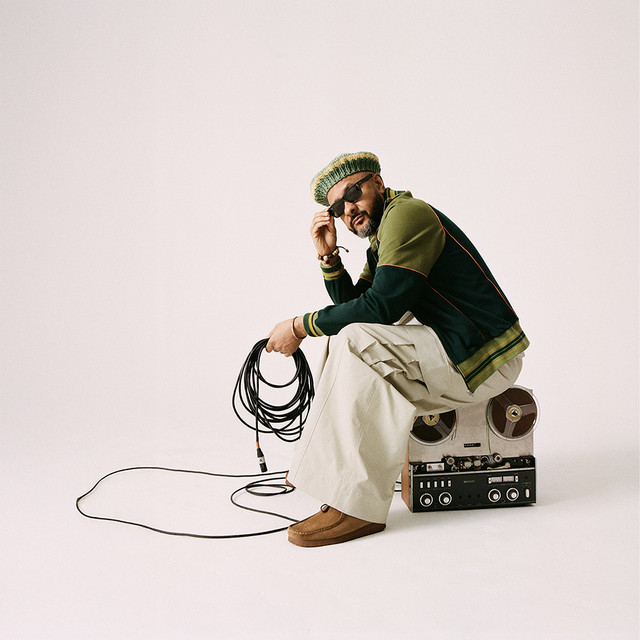
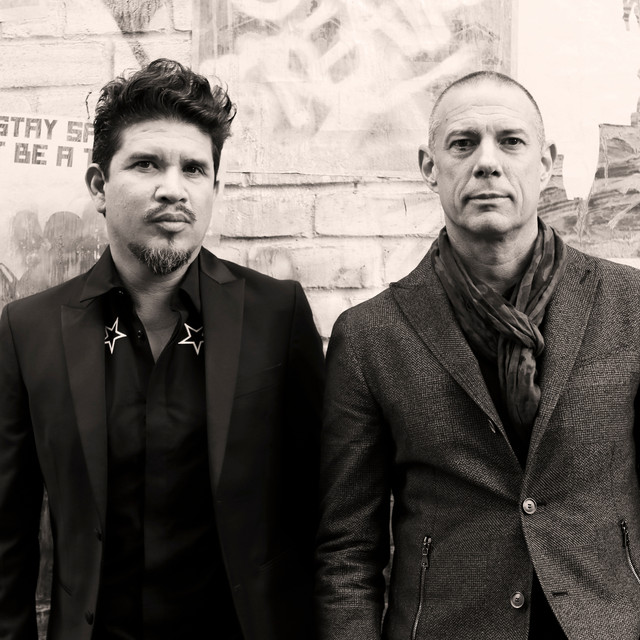
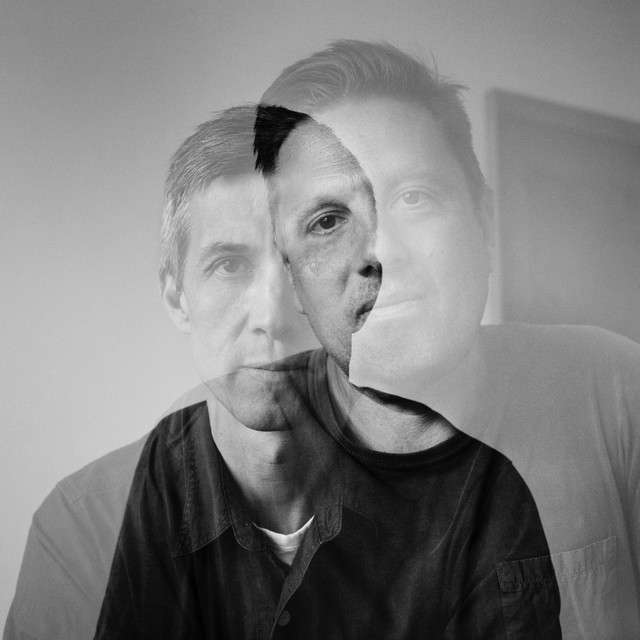

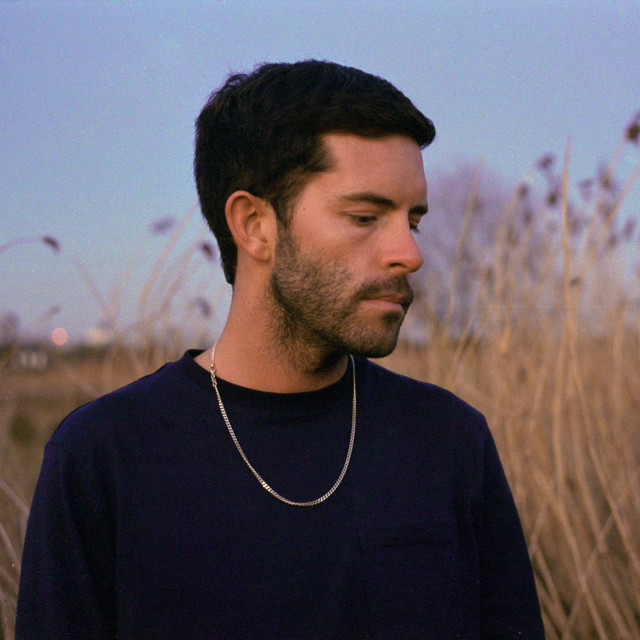

About Downtempo
Downtempo is a broad, velvet-smooth corner of electronic music defined by deliberate, slower grooves, mood-driven textures, and a penchant for cinematic atmosphere. Typically resting in the 90–110 BPM range, it favors legato rhythms over clubby drive, inviting contemplation, late-night listening, and a sense of place. It’s an umbrella term that encompasses trip-hop, chillout, nu-jazz, ambient techno, and lounge-influenced beats. If dancefloor energy fades into a sigh, downtempo steps in with warmth, analog crackle, and a world-weary beauty.
The genre’s roots are diffuse but highly traceable to the early 1990s, when a cohort of British and European producers began blending hip-hop rhythms, jazz samples, and ambient textures with a distinctly chill perspective. The Bristol scene—home to Massive Attack, Portishead, and Tricky—shaped downtempo’s mood-first ethos through trip-hop’s dusky, hip-hop-inflected productions. Around the same time, the “chillout” rooms of European clubs and the early Café del Mar-style compilations in Ibiza popularized a sunset-toned sound that many listeners now associate with downtempo. Graphically, think of smoky lounges, rainy city nights, and landscapes loaded with color-saturated synth pads.
Key ambassadors across the decades illustrate how flexible the sound can be. Early on, Massive Attack and Portishead became almost mythic touchstones for a cinematic, soul-infused approach to downtempo. Tricky extended the mood with a rough-edged, improvisational bite. Morcheeba helped fuse trip-hop with accessible pop sensibilities, while Air and Daft Punk’s French colleagues brought a sleek, cosmopolitan elegance to the table. In the UK, Nightmares on Wax and Zero 7 helped push the beat-forward, groove-centric side of downtempo, and Cinematic Orchestra offered richly orchestrated sonic landscapes that feel like soundtracks to introspective films. Across the Atlantic, DJ Shadow’s sample-dense Endtroducing.. is often cited as a pivotal touchstone for beat-oriented, mood-driven instrumental music. In the 2000s and beyond, Bonobo, Tycho, Emancipator, and Thievery Corporation carried the torch with organic instrumentation, world-mentered textures, and a global sense of soul.
Geographically, the genre has found welcoming audiences in many places. It’s especially popular in the United Kingdom and broader Europe, where the trip-hop and chillout scenes originated, but it has a devoted following in the United States, Japan, and Australia as well. Japan’s scene, in particular, has embraced downtempo’s cinematic flexibility, while Tokyo’s electronic and jazz communities have pushed intricate live arrangements and collaborations. Today’s playlists often mix archival downtempo masterpieces with contemporary producers who fuse live instruments, field recordings, and modular synthesis, proving that the mood—and the tempo—can be as modern as it is nostalgic.
In short, downtempo isn’t a single sound so much as a state of listening: a slow, immersive groove that invites you to breathe with the music, drift through textures, and savor the journey as much as the destination.
The genre’s roots are diffuse but highly traceable to the early 1990s, when a cohort of British and European producers began blending hip-hop rhythms, jazz samples, and ambient textures with a distinctly chill perspective. The Bristol scene—home to Massive Attack, Portishead, and Tricky—shaped downtempo’s mood-first ethos through trip-hop’s dusky, hip-hop-inflected productions. Around the same time, the “chillout” rooms of European clubs and the early Café del Mar-style compilations in Ibiza popularized a sunset-toned sound that many listeners now associate with downtempo. Graphically, think of smoky lounges, rainy city nights, and landscapes loaded with color-saturated synth pads.
Key ambassadors across the decades illustrate how flexible the sound can be. Early on, Massive Attack and Portishead became almost mythic touchstones for a cinematic, soul-infused approach to downtempo. Tricky extended the mood with a rough-edged, improvisational bite. Morcheeba helped fuse trip-hop with accessible pop sensibilities, while Air and Daft Punk’s French colleagues brought a sleek, cosmopolitan elegance to the table. In the UK, Nightmares on Wax and Zero 7 helped push the beat-forward, groove-centric side of downtempo, and Cinematic Orchestra offered richly orchestrated sonic landscapes that feel like soundtracks to introspective films. Across the Atlantic, DJ Shadow’s sample-dense Endtroducing.. is often cited as a pivotal touchstone for beat-oriented, mood-driven instrumental music. In the 2000s and beyond, Bonobo, Tycho, Emancipator, and Thievery Corporation carried the torch with organic instrumentation, world-mentered textures, and a global sense of soul.
Geographically, the genre has found welcoming audiences in many places. It’s especially popular in the United Kingdom and broader Europe, where the trip-hop and chillout scenes originated, but it has a devoted following in the United States, Japan, and Australia as well. Japan’s scene, in particular, has embraced downtempo’s cinematic flexibility, while Tokyo’s electronic and jazz communities have pushed intricate live arrangements and collaborations. Today’s playlists often mix archival downtempo masterpieces with contemporary producers who fuse live instruments, field recordings, and modular synthesis, proving that the mood—and the tempo—can be as modern as it is nostalgic.
In short, downtempo isn’t a single sound so much as a state of listening: a slow, immersive groove that invites you to breathe with the music, drift through textures, and savor the journey as much as the destination.