Genre
dundee indie
Top Dundee indie Artists
Showing 12 of 12 artists




About Dundee indie
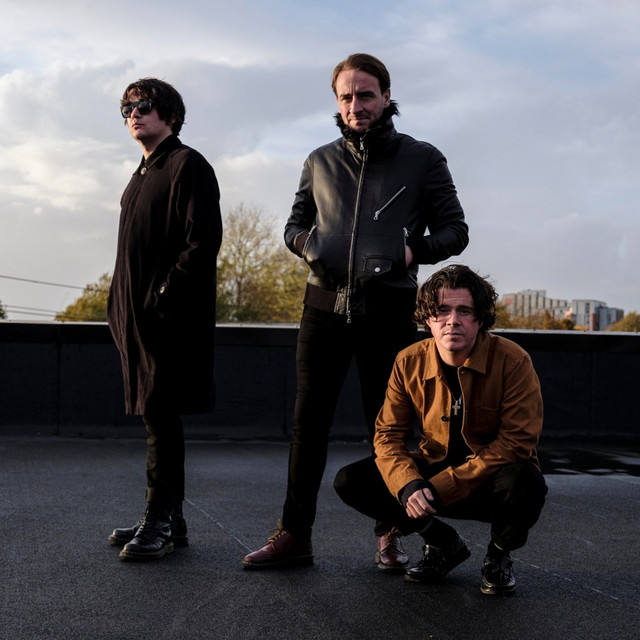
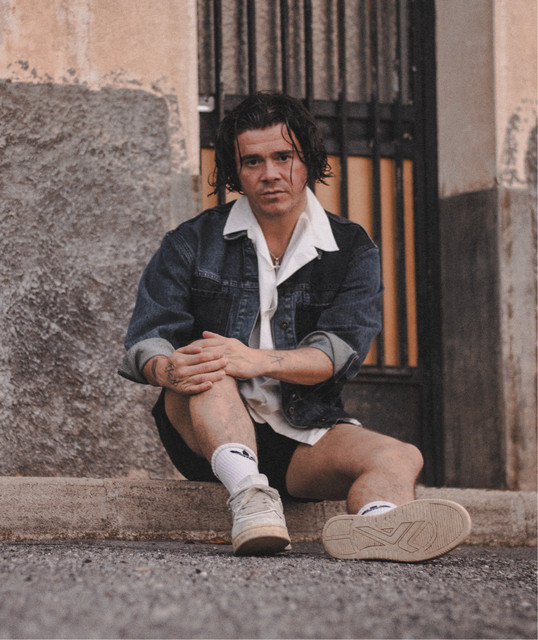
Dundee indie is best seen as a loose but distinctly recognizable thread of Scottish guitar music that emerged from the east coast city of Dundee in the mid-2000s. It isn’t a formally codified genre with rigid rules; instead, it’s a local ethos—short, catchy songs that fuse pop hooks with the energy and bite of indie rock, born out of pubs, student nights, and small basement studios. The movement found its most visible mouthpiece in The View, a Dundee quartet fronted by Kyle Falconer, whose rise helped push the city’s sound from regional curiosity to national conversation. Their debut album Hats Off to the Buskers came out in 2006 and became a commercial breakthrough, turning Dundee from a footnote in Scotland’s indie story into a flagship of a homegrown sound.
The birth of Dundee indie is tightly tied to its surroundings. Between 2004 and 2007, a cluster of local venues, rehearsal rooms, and university spaces supplied the conditions for rapid, high-energy songwriting and live performance. The city’s two universities—along with a tight-knit scene of friends and fans who traded demos and show notes—pushed a DIY approach: write fast, tour quickly, and keep the songs tight and singable. MySpace-era discovery and word-of-mouth further accelerated the spread, allowing a wave of bands that resonated with the View’s brisk rhythms and melodic sensibilities to sharpen their craft in Dundee’s orbit before moving outward to wider tours.
In terms of sound, Dundee indie leans into jangly guitar lines, punchy bass, and drums that propel songs forward with urgent momentum. The approach tends to favor compact three-minute structures, chorus-hooks that bite and linger, and storytelling lyrics that anchor the music in everyday urban life. The energy is unpretentious and expansive at the same time: the songs feel intimate in their honesty, yet victorious when the guitars crash into a cheering chorus. The vocal delivery tends toward earnest, almost conversational storytelling, making the music feel like a late-night chat that suddenly erupts into a call-and-response with the crowd. It’s choreography between mood and tempo—moments of reflection giving way to brash, communal energy when the chorus arrives.
The View remains the most widely recognized ambassador of Dundee indie, but the city’s scene also inspired a broader wave of acts who carried the banner to small rooms and festival stages across the UK and beyond. The Dundee sound traveled through touring circuits, seeding a regional pride that helped other Scottish acts lean into a similar hybrid of pop accessibility and rock edge. As a result, Dundee indie’s footprint extended beyond Scotland, finding sympathetic ears in Ireland and parts of mainland Europe, where the urgency and immediacy of the music resonated with the late-2000s indie revival.
Today, Dundee indie endures as a snapshot of a moment when a city with industrial roots and a lively student culture could birth a sound that felt both specific to its place and universally communicative. For enthusiasts, it’s a reminder that a city’s streets and pubs can become a proving ground for music that is catchy, candid, and unapologetically alive.
The birth of Dundee indie is tightly tied to its surroundings. Between 2004 and 2007, a cluster of local venues, rehearsal rooms, and university spaces supplied the conditions for rapid, high-energy songwriting and live performance. The city’s two universities—along with a tight-knit scene of friends and fans who traded demos and show notes—pushed a DIY approach: write fast, tour quickly, and keep the songs tight and singable. MySpace-era discovery and word-of-mouth further accelerated the spread, allowing a wave of bands that resonated with the View’s brisk rhythms and melodic sensibilities to sharpen their craft in Dundee’s orbit before moving outward to wider tours.
In terms of sound, Dundee indie leans into jangly guitar lines, punchy bass, and drums that propel songs forward with urgent momentum. The approach tends to favor compact three-minute structures, chorus-hooks that bite and linger, and storytelling lyrics that anchor the music in everyday urban life. The energy is unpretentious and expansive at the same time: the songs feel intimate in their honesty, yet victorious when the guitars crash into a cheering chorus. The vocal delivery tends toward earnest, almost conversational storytelling, making the music feel like a late-night chat that suddenly erupts into a call-and-response with the crowd. It’s choreography between mood and tempo—moments of reflection giving way to brash, communal energy when the chorus arrives.
The View remains the most widely recognized ambassador of Dundee indie, but the city’s scene also inspired a broader wave of acts who carried the banner to small rooms and festival stages across the UK and beyond. The Dundee sound traveled through touring circuits, seeding a regional pride that helped other Scottish acts lean into a similar hybrid of pop accessibility and rock edge. As a result, Dundee indie’s footprint extended beyond Scotland, finding sympathetic ears in Ireland and parts of mainland Europe, where the urgency and immediacy of the music resonated with the late-2000s indie revival.
Today, Dundee indie endures as a snapshot of a moment when a city with industrial roots and a lively student culture could birth a sound that felt both specific to its place and universally communicative. For enthusiasts, it’s a reminder that a city’s streets and pubs can become a proving ground for music that is catchy, candid, and unapologetically alive.