Genre
cantopop
Top Cantopop Artists
Showing 25 of 1,368 artists












About Cantopop
Cantopop, short for Cantonese pop, is a distinctive strand of pop music that emerged from Hong Kong in the 1970s and grew into a worldwide cultural force. It fused catchy Western pop sensibilities with the tonal, expressive cadences of Cantonese, turning the language itself into a vehicle for modern, urban storytelling. Though rooted in local culture, Cantopop soon traveled beyond Hong Kong’s borders, riding Hong Kong cinema’s global reach and the city’s status as a cosmopolitan music hub.
The birth of Cantopop is usually linked to a shift in the late 1960s and early 1970s when Cantonese-language songs began to dominate popular charts, overtaking English- and Mandarin-language material in Hong Kong. A pivotal figure is Sam Hui, widely regarded as the father of Cantopop. Hui popularized Cantonese pop with witty, streetwise lyrics set to accessible rock, folk, and later pop melodies, proving that Cantonese could carry modern, mass-appeal songs. This vernacular approach opened the door for a generation of composers and performers to craft songs in everyday Cantonese rather than literary or Mandarin-influenced forms.
Two other foundational pillars were lyricist James Wong Jim and composer Joseph Koo, whose collaborations produced a flood of memorable hits and helped standardize a distinctly Cantonese pop sound. Their work paired sharp, relatable lyrics with melodic hooks that could cross film and radio, anchoring Cantopop as a soundtrack for urban life in Hong Kong.
The 1980s cemented Cantopop’s popularity, with charismatic artists who could duel it out on stage and screen. Anita Mui became the celebrated “Madonna of Asia” for her fearless stage presence and versatile repertoire. Leslie Cheung brought charisma and boundary-pushing performances, and Danny Chan contributed enduring ballads. The late 1980s and into the 1990s brought the Four Heavenly Kings—Jacky Cheung, Andy Lau, Aaron Kwok, and Leon Lai—whose prolific output, film work, and immense fan bases propelled Cantopop to international audiences and kept it vital through changing musical tides.
Cantopop’s appeal extended far beyond Hong Kong. It found receptive audiences in Guangdong’s Pearl River Delta, in Taiwan, Singapore, Malaysia, and among Chinese-speaking communities across Southeast Asia, Australia, Canada (notably Vancouver and Toronto), and the United States. The genre’s global reach was amplified by film soundtracks, karaoke culture, and a diaspora hungry for Cantonese-language pop.
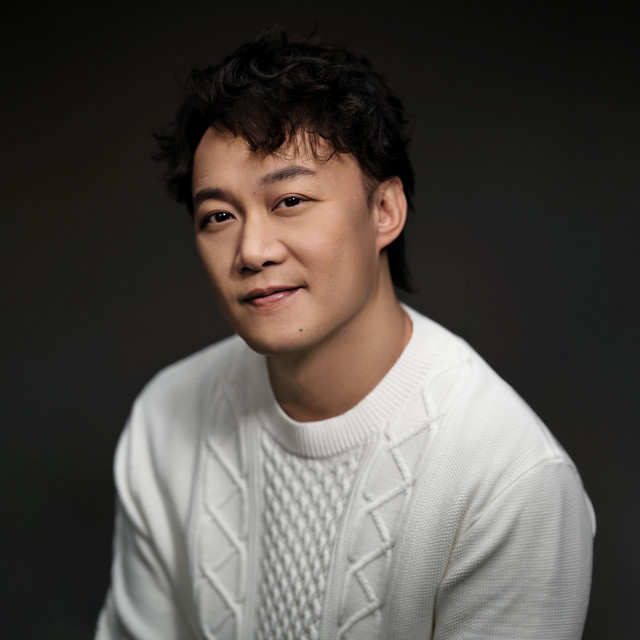
In recent decades Cantopop has weathered shifts toward Mandopop’s global dominance and digital redistribution, but it remains a living tradition. Contemporary stars like Eason Chan, Sammi Cheng, and others continue to blend heartfelt ballads with contemporary pop textures, while younger acts experiment with fusions and bilingual repertoires. The genre’s strength lies in its expressive power—the ability to render intimate emotions and city-life stories in a language whose tones and rhythms give Cantopop a voice that is both local and universal.
The birth of Cantopop is usually linked to a shift in the late 1960s and early 1970s when Cantonese-language songs began to dominate popular charts, overtaking English- and Mandarin-language material in Hong Kong. A pivotal figure is Sam Hui, widely regarded as the father of Cantopop. Hui popularized Cantonese pop with witty, streetwise lyrics set to accessible rock, folk, and later pop melodies, proving that Cantonese could carry modern, mass-appeal songs. This vernacular approach opened the door for a generation of composers and performers to craft songs in everyday Cantonese rather than literary or Mandarin-influenced forms.
Two other foundational pillars were lyricist James Wong Jim and composer Joseph Koo, whose collaborations produced a flood of memorable hits and helped standardize a distinctly Cantonese pop sound. Their work paired sharp, relatable lyrics with melodic hooks that could cross film and radio, anchoring Cantopop as a soundtrack for urban life in Hong Kong.
The 1980s cemented Cantopop’s popularity, with charismatic artists who could duel it out on stage and screen. Anita Mui became the celebrated “Madonna of Asia” for her fearless stage presence and versatile repertoire. Leslie Cheung brought charisma and boundary-pushing performances, and Danny Chan contributed enduring ballads. The late 1980s and into the 1990s brought the Four Heavenly Kings—Jacky Cheung, Andy Lau, Aaron Kwok, and Leon Lai—whose prolific output, film work, and immense fan bases propelled Cantopop to international audiences and kept it vital through changing musical tides.
Cantopop’s appeal extended far beyond Hong Kong. It found receptive audiences in Guangdong’s Pearl River Delta, in Taiwan, Singapore, Malaysia, and among Chinese-speaking communities across Southeast Asia, Australia, Canada (notably Vancouver and Toronto), and the United States. The genre’s global reach was amplified by film soundtracks, karaoke culture, and a diaspora hungry for Cantonese-language pop.
In recent decades Cantopop has weathered shifts toward Mandopop’s global dominance and digital redistribution, but it remains a living tradition. Contemporary stars like Eason Chan, Sammi Cheng, and others continue to blend heartfelt ballads with contemporary pop textures, while younger acts experiment with fusions and bilingual repertoires. The genre’s strength lies in its expressive power—the ability to render intimate emotions and city-life stories in a language whose tones and rhythms give Cantopop a voice that is both local and universal.