Genre
emo pop
Top Emo pop Artists
Showing 25 of 200 artists










About Emo pop
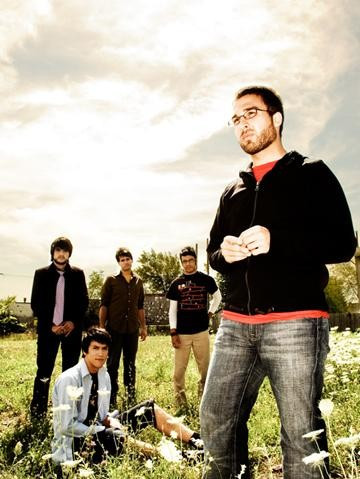
Emo pop is a melodic subgenre that blends the confessional, emotionally charged lyricism of emo with the accessible hooks and polish of pop-punk and indie pop. It tends to emphasize strong chorus hooks, clean guitar tones, and a streamlined, radio-ready production, all while keeping a sense of vulnerability and introspection at the center of the songs. The result is music that can feel intimate in a bedroom setting and anthemic on a festival stage.
Origins and birth: Emo itself emerged in the 1980s as a more expressive, often faster cousin of hardcore. By the late 1990s and early 2000s, bands such as Dashboard Confessional and Jimmy Eat World helped translate that intensity into songs with larger melodies and clearer structures. The mid-2000s saw a more pronounced fusion with pop sensibilities, industry-friendly production, and a broader audience. This crossover, sometimes labeled emo pop or emo-pop-punk, gave listeners a form of emo that could be sung along to in arenas while still feeling personal and earnest.
Ambassadors and landmark acts:
- Fall Out Boy — From Under the Cork Tree (2005) became a mainstream breakthrough, pairing witty, sharp lyricism with big, punchy choruses.
- Paramore — Riot! (2007) fused punk energy with emotive storytelling, producing some of the era’s most memorable sing-alongs.
- Panic! at the Disco — A Fever You Can’t Sweat Out (2005) brought theatricality, quirky arrangements, and pop hooks into the emo-pop fold.
- My Chemical Romance — The Black Parade (2006) showcased a grand, concept-driven approach that broadened emo’s emotional palette while keeping melody at the forefront.
- Jimmy Eat World — Bleed American (2001) helped anchor the sound in more expansive, radio-friendly territory, influencing many later emo-pop acts.
These artists function as ambassadors not only through their records but via touring ecosystems (notably Warped Tour) and labels such as Fueled by Ramen, which helped nurture the scene and connect fans worldwide.
Geography and audience: Emo pop has been most vibrant in the United States, where the genre first crystallized, but it has also enjoyed strong followings in the United Kingdom, Canada, Australia, and parts of Europe and Latin America. Its appeal lies in universal themes—adolescent longing, heartbreak, self-identity—matched to melodies that can be both intimate and explosive. The genre has continued to evolve with shifts in production and cross-genre collaboration, yet its core remains: emotional honesty paired with memorable, hook-laden songcraft.
Cultural footprint: Beyond the records, emo pop shaped fashion, live performances, and online fan communities, helping to widen the reach of emo sensibilities to listeners who crave sincerity and catharsis in a pop framework. Today, listeners still encounter emo pop as a bridge—between the raw earnestness of early emo and the polish of mainstream pop-rock—retaining a distinct identity within the broader rock landscape.
Origins and birth: Emo itself emerged in the 1980s as a more expressive, often faster cousin of hardcore. By the late 1990s and early 2000s, bands such as Dashboard Confessional and Jimmy Eat World helped translate that intensity into songs with larger melodies and clearer structures. The mid-2000s saw a more pronounced fusion with pop sensibilities, industry-friendly production, and a broader audience. This crossover, sometimes labeled emo pop or emo-pop-punk, gave listeners a form of emo that could be sung along to in arenas while still feeling personal and earnest.
Ambassadors and landmark acts:
- Fall Out Boy — From Under the Cork Tree (2005) became a mainstream breakthrough, pairing witty, sharp lyricism with big, punchy choruses.
- Paramore — Riot! (2007) fused punk energy with emotive storytelling, producing some of the era’s most memorable sing-alongs.
- Panic! at the Disco — A Fever You Can’t Sweat Out (2005) brought theatricality, quirky arrangements, and pop hooks into the emo-pop fold.
- My Chemical Romance — The Black Parade (2006) showcased a grand, concept-driven approach that broadened emo’s emotional palette while keeping melody at the forefront.
- Jimmy Eat World — Bleed American (2001) helped anchor the sound in more expansive, radio-friendly territory, influencing many later emo-pop acts.
These artists function as ambassadors not only through their records but via touring ecosystems (notably Warped Tour) and labels such as Fueled by Ramen, which helped nurture the scene and connect fans worldwide.
Geography and audience: Emo pop has been most vibrant in the United States, where the genre first crystallized, but it has also enjoyed strong followings in the United Kingdom, Canada, Australia, and parts of Europe and Latin America. Its appeal lies in universal themes—adolescent longing, heartbreak, self-identity—matched to melodies that can be both intimate and explosive. The genre has continued to evolve with shifts in production and cross-genre collaboration, yet its core remains: emotional honesty paired with memorable, hook-laden songcraft.
Cultural footprint: Beyond the records, emo pop shaped fashion, live performances, and online fan communities, helping to widen the reach of emo sensibilities to listeners who crave sincerity and catharsis in a pop framework. Today, listeners still encounter emo pop as a bridge—between the raw earnestness of early emo and the polish of mainstream pop-rock—retaining a distinct identity within the broader rock landscape.