Genre
enka
Top Enka Artists
Showing 25 of 1,596 artists



About Enka
Enka is a Japanese music genre defined by melodramatic, emotionally charged ballads that speak of love, loss, nostalgia, and endurance. It feels at once intimate and cinematic, as if a whisper in a rainy street could carry a lifetime of memories. The genre sits at the crossroads of tradition and modernity, rooted in the 19th- and early 20th-century Japanese melodies, then reshaped after World War II into a form that could be broadcast on radio and television.
The name enka (演歌) literally means "song of sorrow"—a label that captures its core mood: a storyteller's lament delivered with great vocal intensity. Enka emerged from the postwar Japanese music scene, where ryūkōka (the era's mainstream popular song) fused with Western balladry and traditional scales. By the 1950s and 1960s, enka had crystallized into a distinctive sound marked by long, expressive vocal lines, dramatic vibrato, and a sense of heartbreak braided with stoic resilience.
Instrumentation ranges widely, from shamisen and bamboo flutes to piano, guitar, and electric bass. The hallmark is not the timbre but the phrasing: singers stretch syllables, bend notes, and ride a tremolo that conveys emotional weight. Lyrics often stage everyday scenes—love lost at a railway station, a nameless lover’s memory, a hometown deserted by time—yet they carry universal ache and endurance.
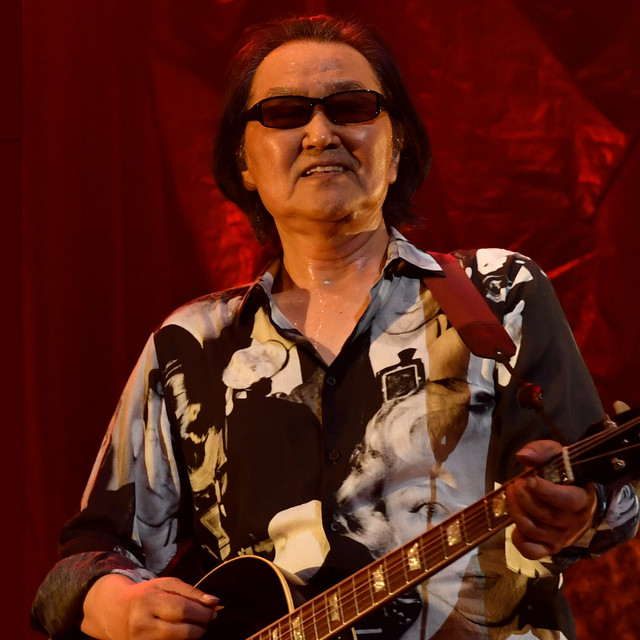
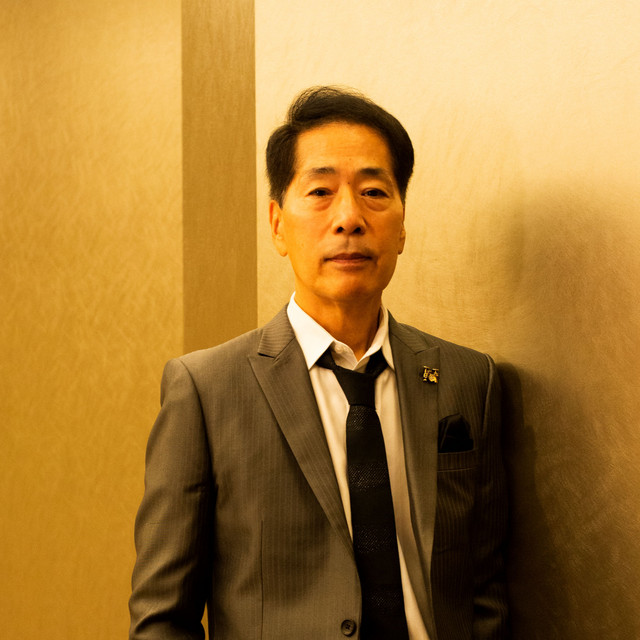
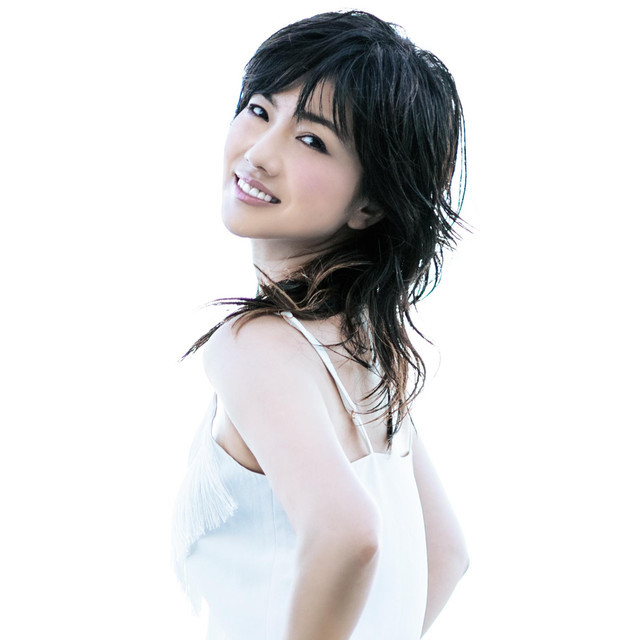
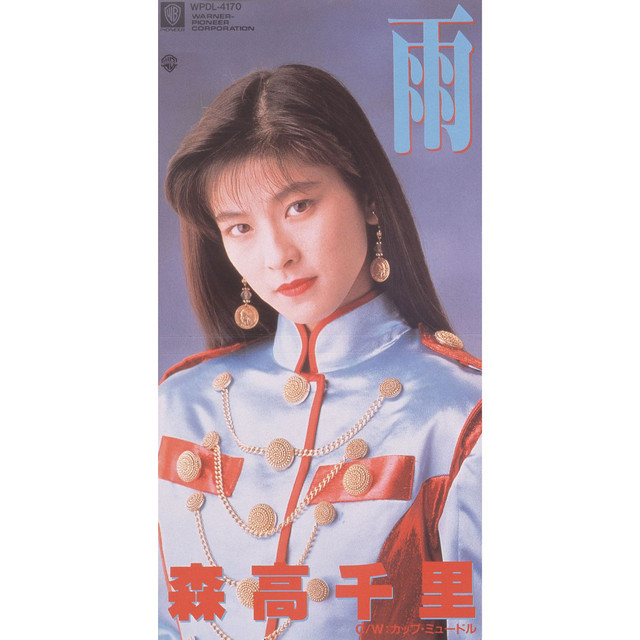
No single artist can claim the entire genre, but a few stand as its ambassadors. Hibari Misora, the queen of enka, personifies the era’s peak emotional intensity and remains the most referenced image in the genre's history. Saburō Kitajima, with a sonorous, masculine timbre, helped define male enka through storytelling that hovered between heroism and vulnerability. Sayuri Ishikawa became one of the best-loved voices of the later generation, translating regional folklore and romance into a polished national phenomenon. In more recent times, Kiyoshi Hikawa has brought enka to younger audiences with a contemporary polish that keeps the tradition alive on modern stages and TV programs. A notable global footnote is Jero, a non-Japanese singer who brought enka to international audiences, highlighting its cross-cultural appeal and adaptability.
Enka remains most popular in Japan, where it sits beside pop, rock, and traditional music on radio, television, and live venues. It travels with the Japanese diaspora—in East Asia, the Americas, and Europe—where communities keep the genre alive through concerts and nostalgic playlists.
For the discerning listener, enka offers more than sentiment; it provides a cultural lens into postwar Japan’s emotional geography. Its combination of old-world instrumentation, contemporary production, and deeply personal lyricism makes it a genre where every note feels like a memory revisited. For enthusiasts, a deep dive into Misora’s catalog, followed by Ishikawa’s and Kitajima’s discographies, offers a tour through the heartbeat of enka, with Hikawa and modern interpretations bridging past and present. To newcomers, enka can be discovered through live performances, where the stage feels like a theater and the singer's breath mirrors memory. Modern enka also experiments with pop-inflected arrangements and cinematic strings, while preserving the core emotional essence that keeps fans loyal across generations.
The name enka (演歌) literally means "song of sorrow"—a label that captures its core mood: a storyteller's lament delivered with great vocal intensity. Enka emerged from the postwar Japanese music scene, where ryūkōka (the era's mainstream popular song) fused with Western balladry and traditional scales. By the 1950s and 1960s, enka had crystallized into a distinctive sound marked by long, expressive vocal lines, dramatic vibrato, and a sense of heartbreak braided with stoic resilience.
Instrumentation ranges widely, from shamisen and bamboo flutes to piano, guitar, and electric bass. The hallmark is not the timbre but the phrasing: singers stretch syllables, bend notes, and ride a tremolo that conveys emotional weight. Lyrics often stage everyday scenes—love lost at a railway station, a nameless lover’s memory, a hometown deserted by time—yet they carry universal ache and endurance.
No single artist can claim the entire genre, but a few stand as its ambassadors. Hibari Misora, the queen of enka, personifies the era’s peak emotional intensity and remains the most referenced image in the genre's history. Saburō Kitajima, with a sonorous, masculine timbre, helped define male enka through storytelling that hovered between heroism and vulnerability. Sayuri Ishikawa became one of the best-loved voices of the later generation, translating regional folklore and romance into a polished national phenomenon. In more recent times, Kiyoshi Hikawa has brought enka to younger audiences with a contemporary polish that keeps the tradition alive on modern stages and TV programs. A notable global footnote is Jero, a non-Japanese singer who brought enka to international audiences, highlighting its cross-cultural appeal and adaptability.
Enka remains most popular in Japan, where it sits beside pop, rock, and traditional music on radio, television, and live venues. It travels with the Japanese diaspora—in East Asia, the Americas, and Europe—where communities keep the genre alive through concerts and nostalgic playlists.
For the discerning listener, enka offers more than sentiment; it provides a cultural lens into postwar Japan’s emotional geography. Its combination of old-world instrumentation, contemporary production, and deeply personal lyricism makes it a genre where every note feels like a memory revisited. For enthusiasts, a deep dive into Misora’s catalog, followed by Ishikawa’s and Kitajima’s discographies, offers a tour through the heartbeat of enka, with Hikawa and modern interpretations bridging past and present. To newcomers, enka can be discovered through live performances, where the stage feels like a theater and the singer's breath mirrors memory. Modern enka also experiments with pop-inflected arrangements and cinematic strings, while preserving the core emotional essence that keeps fans loyal across generations.