Data may be outdated
Last updated: 8 months ago — Click refresh to get the latest statistics.
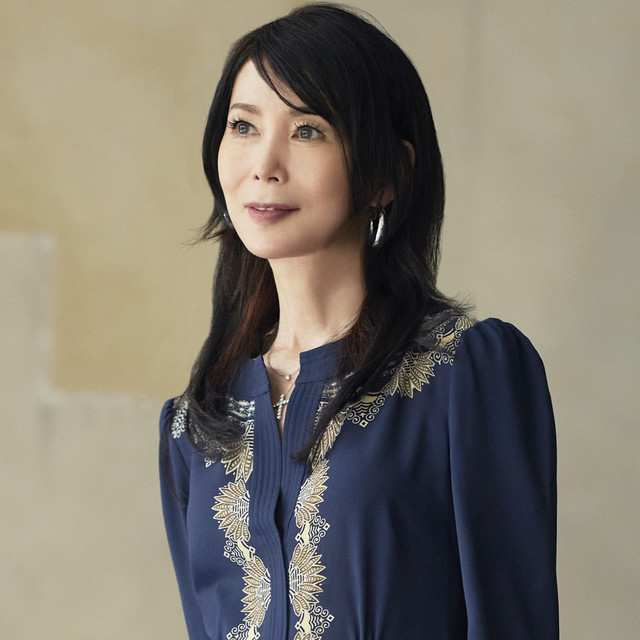
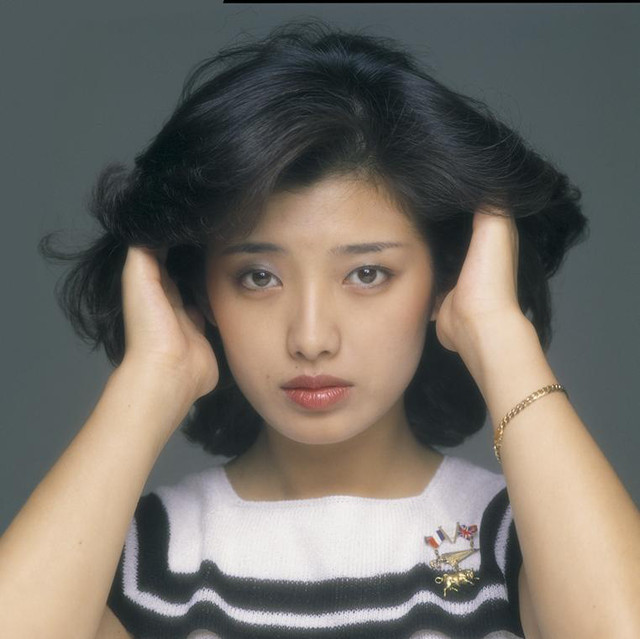
Yumi Matsutoya (formerly <a href="spotify:artist:5W7F9IM2vsR9EDCk5T2Uqz">Yumi Arai</a>) became one of the most famous members of Japan's singer/songwriter era in the 1970s, and continued to garner hits into the 2000s, a notable feat if one considers the careers of her Western contemporaries: <a href="spotify:artist:4FtSnMlCVxCswABUmdhwpm">Carly Simon</a>, <a href="spotify:artist:5hW4L92KnC6dX9t7tYM4Ve">Joni Mitchell</a>, <a href="spotify:artist:6QDWC6QeGhvCWCv3nUJwoV">Laura Nyro</a>, and so on. Her voice is instantly recognizable: rough and smooth at the same time, bitter and sweet, slightly nasal, but deeper and lower than most Japanese female singers (it has become more so over time). She never fit the model of the cute, perky pop singer, but her fans are legion, allowing her to tour with a new album almost every year since she hit the big time in 1980. Her fans know her by her nickname, "Yuming."
Born in Tokyo in 1954, <a href="spotify:artist:5W7F9IM2vsR9EDCk5T2Uqz">Arai</a> made her debut in 1973 with the album Hikokigumo. Her first single barely cracked the Top 40, but then again neither had the debut singles of her contemporaries; it wasn't about that at the time. Unlike a more folk- or guitar-based sound of the West, <a href="spotify:artist:5W7F9IM2vsR9EDCk5T2Uqz">Yumi Arai</a>'s music was closer to the jazz-rock of <a href="spotify:artist:3iDD7bnsjL9J4fO298r0L0">Chicago</a> or <a href="spotify:artist:6P7H3ai06vU1sGvdpBwDmE">Steely Dan</a> without the cynical edge. Three years later, things began to click. Her single "Anohi Ni Kaeritai" made the Top Ten; the accompanying album Yuming Brand was a success; and to top it off <a href="spotify:artist:5W7F9IM2vsR9EDCk5T2Uqz">Arai</a> married the arranger of the music from that album, Masataka Matsutoya, changing her name. (Her husband continues to be her arranger to this day). From 1985 to the late '90s, she was more often in the Top Ten charts than out of it. Her tours sold out, known for their elaborate costumes and stage shows, and her records continued to sell in the millions. Matsutoya has influenced many female singers who have come after, showing that one can be successful and have artistic control without sacrificing anything. ~ Ted Mills, Rovi
Born in Tokyo in 1954, <a href="spotify:artist:5W7F9IM2vsR9EDCk5T2Uqz">Arai</a> made her debut in 1973 with the album Hikokigumo. Her first single barely cracked the Top 40, but then again neither had the debut singles of her contemporaries; it wasn't about that at the time. Unlike a more folk- or guitar-based sound of the West, <a href="spotify:artist:5W7F9IM2vsR9EDCk5T2Uqz">Yumi Arai</a>'s music was closer to the jazz-rock of <a href="spotify:artist:3iDD7bnsjL9J4fO298r0L0">Chicago</a> or <a href="spotify:artist:6P7H3ai06vU1sGvdpBwDmE">Steely Dan</a> without the cynical edge. Three years later, things began to click. Her single "Anohi Ni Kaeritai" made the Top Ten; the accompanying album Yuming Brand was a success; and to top it off <a href="spotify:artist:5W7F9IM2vsR9EDCk5T2Uqz">Arai</a> married the arranger of the music from that album, Masataka Matsutoya, changing her name. (Her husband continues to be her arranger to this day). From 1985 to the late '90s, she was more often in the Top Ten charts than out of it. Her tours sold out, known for their elaborate costumes and stage shows, and her records continued to sell in the millions. Matsutoya has influenced many female singers who have come after, showing that one can be successful and have artistic control without sacrificing anything. ~ Ted Mills, Rovi
Monthly Listeners
1.4 million
Monthly Listeners History
Track the evolution of monthly listeners over the last 28 days.
Followers
1.2 million
Followers History
Track the evolution of followers over the last 28 days.
Top Cities
Related Artists




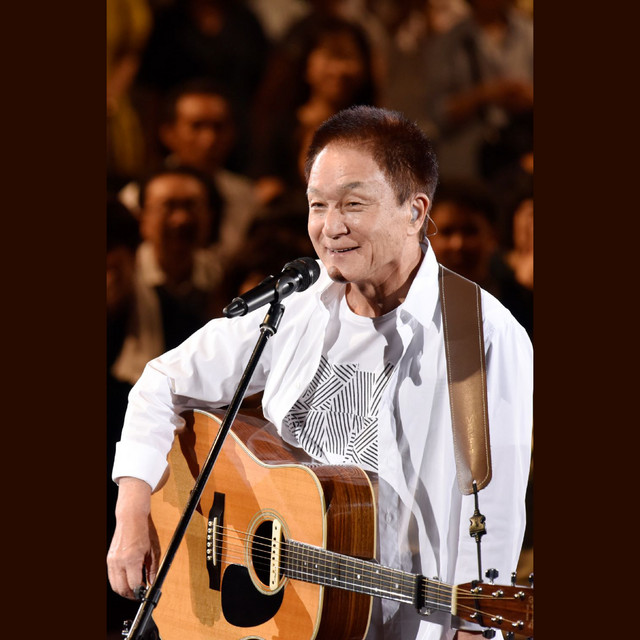

中山美穂
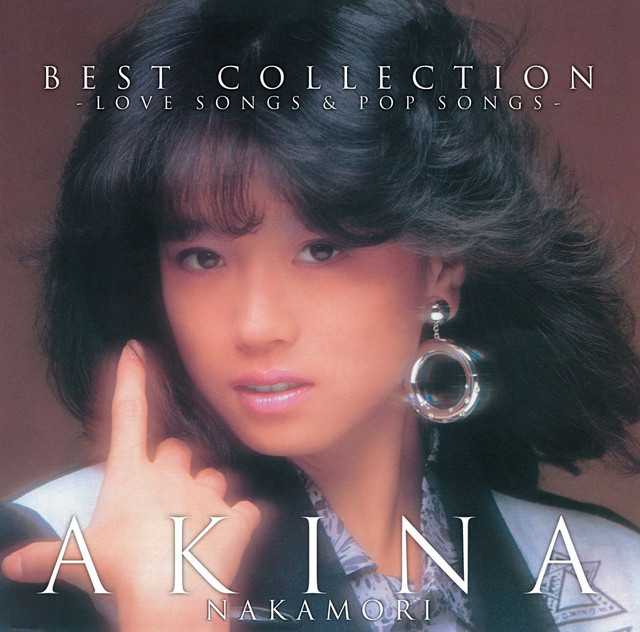

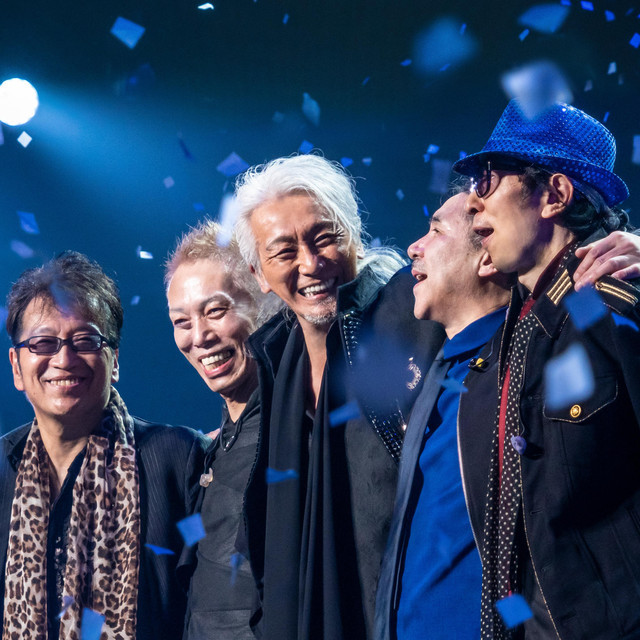

大滝詠一
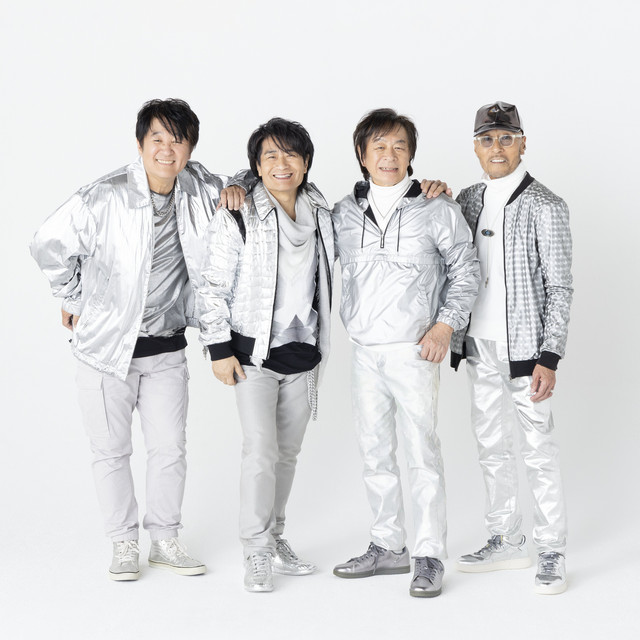

中島みゆき