Genre
estonian indie
Top Estonian indie Artists
Showing 25 of 37 artists















About Estonian indie
Estonian indie is the Estonian take on the global indie rock and pop impulse: a homegrown, DIY-spirited current that grew out of Tallinn and Tartu in the late 1990s and early 2000s as Estonia rebuilt cultural life after independence. It is not a single moment but a scene that formed around small venues, independent labels, and a desire to make music that spoke in an intimate, personal key rather than in loud, glossy anthems. The backbone of the movement has always been the clubs, theatres, and cafes where audiences could discover bands on the cusp of something new.
Musically, Estonian indie blends jangly guitars, warm synth textures, and melodic basslines with lo-fi production and a preference for introspective, often Estonian-language lyrics, though English is common too. The sound ranges from spare, intimate folky textures to sun-drenched indie-pop and buoyant indie rock. The mood tends toward thoughtful melancholy, dreamy moodscapes, and a willingness to experiment with space, texture, and mood rather than chasing stadium-size impact. The scene often negotiates a tension between rooted Estonian cultural references and wider European indie influences, yielding a sound that feels both local and international.
Historically, the late 1990s and early 2000s saw bands experimenting with independent release models and DIY ethics, building a network of venues such as the iconic Von Krahl Theatre in Tallinn and other smaller stages around the capital and college towns. These spaces became incubators for a generation of artists who would later define what “Estonian indie” sounds like, both in Estonian and in English-language projects. The scene’s growth has been gradual, with moments of breakout attention that helped bring Estonian independent music to wider European audiences, without sacrificing its distinctly Estonian voice.
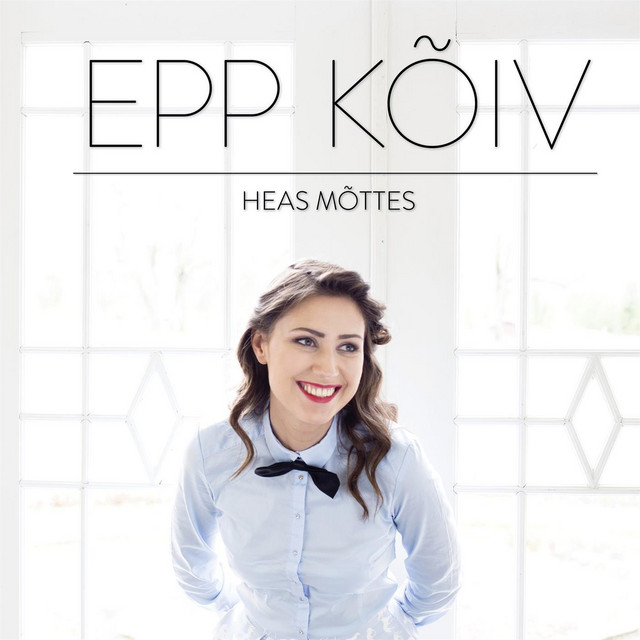
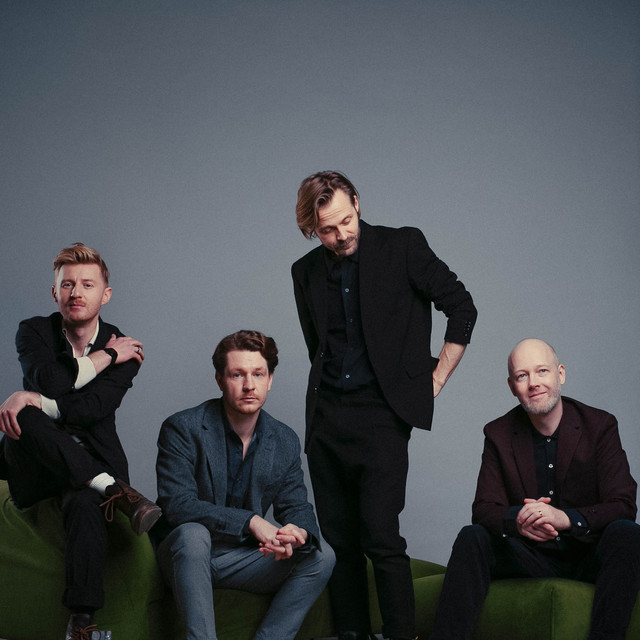
Ambassadors and key artists have helped shape the genre’s international profile. Ewert and the Two Dragons, a Tallinn-based quartet, have been among the most visible exponents of Estonian indie rock on the continental stage, earning critical praise and touring across Europe with a sound that fuses thoughtful melody with accessible hooks. Kerli Koiv, though more broadly categorized as an electro-pop/alternative artist, has roots in Estonia’s indie-adjacent scene and has helped bring attention to Estonian music from a global audience through festival appearances and charting outside the country. Older pioneers of the broader DIY ethos—bands like Vennaskond and Röövel Ööbik—are often cited as part of the prehistory that fed into the modern indie sensibility, shaping how a generation would approach independent music in Estonia.
Today, Estonian indie spans indie rock, dream pop, electro-acoustic, and folk-inflected acts across Tallinn, Tartu, and smaller towns, with fresh voices emerging from the Estonian diaspora and online communities. Its ambassadors continue to perform at European festivals and through Tallinn Music Week, helping to translate a small country’s creativity into a widely felt, intimate musical language. In short, Estonian indie remains a living, evolving scene that blends local language and landscape with the broader currents of European indie culture.
Musically, Estonian indie blends jangly guitars, warm synth textures, and melodic basslines with lo-fi production and a preference for introspective, often Estonian-language lyrics, though English is common too. The sound ranges from spare, intimate folky textures to sun-drenched indie-pop and buoyant indie rock. The mood tends toward thoughtful melancholy, dreamy moodscapes, and a willingness to experiment with space, texture, and mood rather than chasing stadium-size impact. The scene often negotiates a tension between rooted Estonian cultural references and wider European indie influences, yielding a sound that feels both local and international.
Historically, the late 1990s and early 2000s saw bands experimenting with independent release models and DIY ethics, building a network of venues such as the iconic Von Krahl Theatre in Tallinn and other smaller stages around the capital and college towns. These spaces became incubators for a generation of artists who would later define what “Estonian indie” sounds like, both in Estonian and in English-language projects. The scene’s growth has been gradual, with moments of breakout attention that helped bring Estonian independent music to wider European audiences, without sacrificing its distinctly Estonian voice.
Ambassadors and key artists have helped shape the genre’s international profile. Ewert and the Two Dragons, a Tallinn-based quartet, have been among the most visible exponents of Estonian indie rock on the continental stage, earning critical praise and touring across Europe with a sound that fuses thoughtful melody with accessible hooks. Kerli Koiv, though more broadly categorized as an electro-pop/alternative artist, has roots in Estonia’s indie-adjacent scene and has helped bring attention to Estonian music from a global audience through festival appearances and charting outside the country. Older pioneers of the broader DIY ethos—bands like Vennaskond and Röövel Ööbik—are often cited as part of the prehistory that fed into the modern indie sensibility, shaping how a generation would approach independent music in Estonia.
Today, Estonian indie spans indie rock, dream pop, electro-acoustic, and folk-inflected acts across Tallinn, Tartu, and smaller towns, with fresh voices emerging from the Estonian diaspora and online communities. Its ambassadors continue to perform at European festivals and through Tallinn Music Week, helping to translate a small country’s creativity into a widely felt, intimate musical language. In short, Estonian indie remains a living, evolving scene that blends local language and landscape with the broader currents of European indie culture.