Genre
french garage rock
Top French garage rock Artists
Showing 11 of 11 artists




About French garage rock
French garage rock is a lean, high-octane branch of the garage tradition that packs the punch of raw, shouted energy into songs often written in French. It takes the fuzzed guitars, quick tempos, and lo-fi aesthetic of classic garage with a distinctly French sensibility: direct storytelling, street-smart wit, and melodies that can snap from bite-sized riffs to catchy, almost pop-hook choruses. The result is music that feels both urgent and intimate, like a late-night club set recorded with a tape machine and a coffee-stain on the mixer.
Origins and evolution
While garage rock began in the United States and found a European voice in the 1990s, the French variant began coalescing in the late 1990s and early 2000s as DIY venues and indie labels in major cities—especially Paris, but also Lyon, Marseille, Lille and beyond—fostered bands hungry to translate that stripped-down, high-energy approach into French lyrics and a French attitude. The scene thrived on a do-it-yourself ethic: home studios, garage rehearsals, quick live records, zines, and a ready appetite from audiences for short, high-impact tunes. Critics often situate its maturation in the 2000s, when a new wave of acts started touring across Europe and drawing attention from international press and indie circuits.
Sound and aesthetics
French garage rock tends to favor compact song forms, usually around two to three minutes, with guitar riffs that bite and a rhythm section that pounds with a direct, driving pulse. Production values lean toward lo-fi warmth—reverb, crackle, and a bit of hiss are often celebrated as part of the texture, not as flaws to be ironed out. Vocals swing between raspy, shouted deliveries and more melodic lines, sometimes delivered in French with a sly, punky attitude that foregrounds lyric imagery about urban life, flirtation, and rebellion. The genre also absorbs elements from post-punk, surf, and “ye-ye” pop, giving tunes a dynamic contrast between grit and hooks. The end result is music that can sound urgent in a club—bare-boned and sweaty—yet surprisingly catchy when the chorus pops.
Ambassadors and key acts
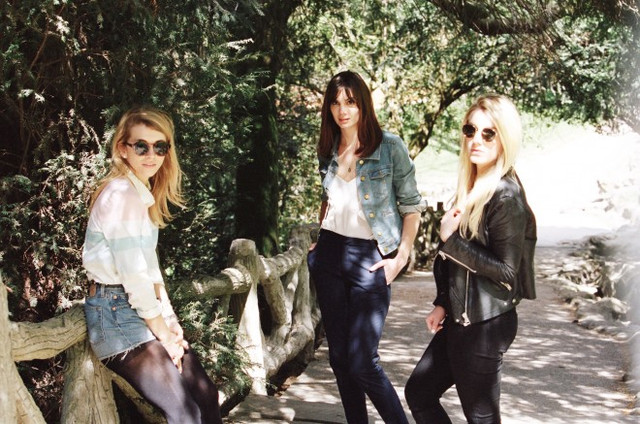
An early, widely cited example of the French garage ethos is The Plasticines, a Paris-based act that helped bring the sound to broader audiences in the mid-2000s with a blend of garage swagger and accessible energy. In subsequent years, a broader cohort of bands across France—part of the same DIY pipeline of small labels, small venues, and streaming-friendly releases—carried the flag forward, keeping the emphasis on immediacy, authenticity, and live-band energy. These ambassadors aren’t just about one era; they represent a lineage that continues to influence newer French acts who crave the shove of a raw guitar, a punchy rhythm section, and a rebellious spark in their lyrics.
Global footprint
French garage rock remains most strongly rooted in France, but it has also found audiences across Western Europe and among indie listeners worldwide. Fans in Belgium, Spain, the UK, and parts of North America often respond to the same appetite for concise, high-impact rock that can translate well to festival stages and intimate clubs alike. In an age of streaming and playlist culture, the genre’s strength lies in its live-ready energy and its ability to fuse French language identity with a universal, primal rock expression.
Note: Exact lineups and dates vary by source, as with many underground scenes. If you’d like, I can tailor this with specific artist names and releases that you’re most interested in.
Origins and evolution
While garage rock began in the United States and found a European voice in the 1990s, the French variant began coalescing in the late 1990s and early 2000s as DIY venues and indie labels in major cities—especially Paris, but also Lyon, Marseille, Lille and beyond—fostered bands hungry to translate that stripped-down, high-energy approach into French lyrics and a French attitude. The scene thrived on a do-it-yourself ethic: home studios, garage rehearsals, quick live records, zines, and a ready appetite from audiences for short, high-impact tunes. Critics often situate its maturation in the 2000s, when a new wave of acts started touring across Europe and drawing attention from international press and indie circuits.
Sound and aesthetics
French garage rock tends to favor compact song forms, usually around two to three minutes, with guitar riffs that bite and a rhythm section that pounds with a direct, driving pulse. Production values lean toward lo-fi warmth—reverb, crackle, and a bit of hiss are often celebrated as part of the texture, not as flaws to be ironed out. Vocals swing between raspy, shouted deliveries and more melodic lines, sometimes delivered in French with a sly, punky attitude that foregrounds lyric imagery about urban life, flirtation, and rebellion. The genre also absorbs elements from post-punk, surf, and “ye-ye” pop, giving tunes a dynamic contrast between grit and hooks. The end result is music that can sound urgent in a club—bare-boned and sweaty—yet surprisingly catchy when the chorus pops.
Ambassadors and key acts
An early, widely cited example of the French garage ethos is The Plasticines, a Paris-based act that helped bring the sound to broader audiences in the mid-2000s with a blend of garage swagger and accessible energy. In subsequent years, a broader cohort of bands across France—part of the same DIY pipeline of small labels, small venues, and streaming-friendly releases—carried the flag forward, keeping the emphasis on immediacy, authenticity, and live-band energy. These ambassadors aren’t just about one era; they represent a lineage that continues to influence newer French acts who crave the shove of a raw guitar, a punchy rhythm section, and a rebellious spark in their lyrics.
Global footprint
French garage rock remains most strongly rooted in France, but it has also found audiences across Western Europe and among indie listeners worldwide. Fans in Belgium, Spain, the UK, and parts of North America often respond to the same appetite for concise, high-impact rock that can translate well to festival stages and intimate clubs alike. In an age of streaming and playlist culture, the genre’s strength lies in its live-ready energy and its ability to fuse French language identity with a universal, primal rock expression.
Note: Exact lineups and dates vary by source, as with many underground scenes. If you’d like, I can tailor this with specific artist names and releases that you’re most interested in.