Genre
french house
Top French house Artists
Showing 25 of 1,224 artists











About French house
French house, often spoken of as the “French touch,” is a stylish and infectious strain of house music that emerged from France in the mid to late 1990s. Rooted in disco, funk, and Chicago-era house, it distinguished itself through warm, tactile grooves sculpted with filters, stuttering edits, and bright synth hooks. The result is music that feels timeless, glamorous, and relentlessly danceable.
The birth of French house is usually placed in the Parisian studios of the late 1990s, when a wave of producers began reinterpreting sample-based disco and funk with a distinctive European flair. A pivotal moment came with Daft Punk’s Homework (1997) and its single Around the World, which fused chunky basslines, looping vocal phrases, and precise filter sweeps into a futuristic but unmistakably dancefloor-friendly sound. Around the same period, Stardust released Music Sounds Better With You (1998), a euphoric, stripped-down track built around a single infectious hook and a masterful use of groove and repetition. These releases crystallized a movement and helped define the language of French touch.
Alongside Daft Punk and Stardust, other French acts carried the banner: Cassius, with their sultry, bass-led productions; St Germain, who fused jazz and French house sensibilities into a more organic, late-night sound; and Bob Sinclar, who bridged club culture with radio-friendly house anthems in the early 2000s. The broader production ecosystem—Laurent Garnier’s lineage of French electronic music, the playful edits of Dimitri from Paris, and later the sleek, pop-inflected work of Justice and SebastiAn—kept the sound alive. The era also saw French labels like V.I.P. and Ed Banger nurturing a generation of producers who carried the vibe forward into the 2000s.
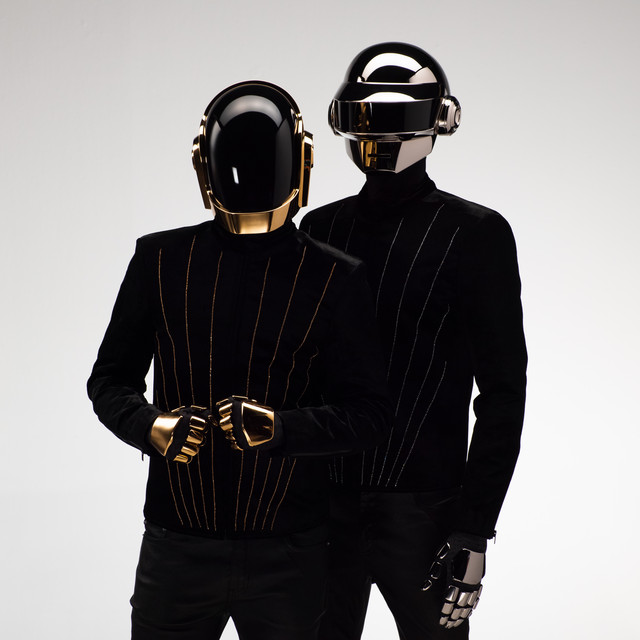
Key ambassadors of the genre include Daft Punk (the pair who popularized the aesthetic globally), Cassius (the duo behind many of the most iconic club tunes of the era), and St Germain (whose jazz-infused tracks broadened the appeal of the scene). In the 2000s, David Guetta helped propel French house into a more mainstream orbit, blending the genre with pop and electro to reach a wider audience. Later, Justice and other Ed Banger acts revived the French touch with a punchier, more aggressive edge, while acts like Laurent Garnier continued to push the deeper, more hypnotic sides of the sound.
Geographically, the movement flourished first and foremost in France, but its appeal quickly spread across Europe—especially the United Kingdom, Italy, Germany, and Spain—and found devoted listeners in the United States, Japan, and parts of Asia. Its popularity has waxed and waned with trends, but the core ethos remains: signal-driven disco-funk grooves filtered and sculpted into modern, club-ready anthems.
If you’re listening closely, French house reveals itself in the tactile warmth of its samples, the gleam of its synth stabs, the emphatic filter sweeps, and the sense that every track is a miniature invitation to the dancefloor. It’s music that rewards repeat listens, revealing new textures in its polished, sun-soaked surfaces.
The birth of French house is usually placed in the Parisian studios of the late 1990s, when a wave of producers began reinterpreting sample-based disco and funk with a distinctive European flair. A pivotal moment came with Daft Punk’s Homework (1997) and its single Around the World, which fused chunky basslines, looping vocal phrases, and precise filter sweeps into a futuristic but unmistakably dancefloor-friendly sound. Around the same period, Stardust released Music Sounds Better With You (1998), a euphoric, stripped-down track built around a single infectious hook and a masterful use of groove and repetition. These releases crystallized a movement and helped define the language of French touch.
Alongside Daft Punk and Stardust, other French acts carried the banner: Cassius, with their sultry, bass-led productions; St Germain, who fused jazz and French house sensibilities into a more organic, late-night sound; and Bob Sinclar, who bridged club culture with radio-friendly house anthems in the early 2000s. The broader production ecosystem—Laurent Garnier’s lineage of French electronic music, the playful edits of Dimitri from Paris, and later the sleek, pop-inflected work of Justice and SebastiAn—kept the sound alive. The era also saw French labels like V.I.P. and Ed Banger nurturing a generation of producers who carried the vibe forward into the 2000s.
Key ambassadors of the genre include Daft Punk (the pair who popularized the aesthetic globally), Cassius (the duo behind many of the most iconic club tunes of the era), and St Germain (whose jazz-infused tracks broadened the appeal of the scene). In the 2000s, David Guetta helped propel French house into a more mainstream orbit, blending the genre with pop and electro to reach a wider audience. Later, Justice and other Ed Banger acts revived the French touch with a punchier, more aggressive edge, while acts like Laurent Garnier continued to push the deeper, more hypnotic sides of the sound.
Geographically, the movement flourished first and foremost in France, but its appeal quickly spread across Europe—especially the United Kingdom, Italy, Germany, and Spain—and found devoted listeners in the United States, Japan, and parts of Asia. Its popularity has waxed and waned with trends, but the core ethos remains: signal-driven disco-funk grooves filtered and sculpted into modern, club-ready anthems.
If you’re listening closely, French house reveals itself in the tactile warmth of its samples, the gleam of its synth stabs, the emphatic filter sweeps, and the sense that every track is a miniature invitation to the dancefloor. It’s music that rewards repeat listens, revealing new textures in its polished, sun-soaked surfaces.